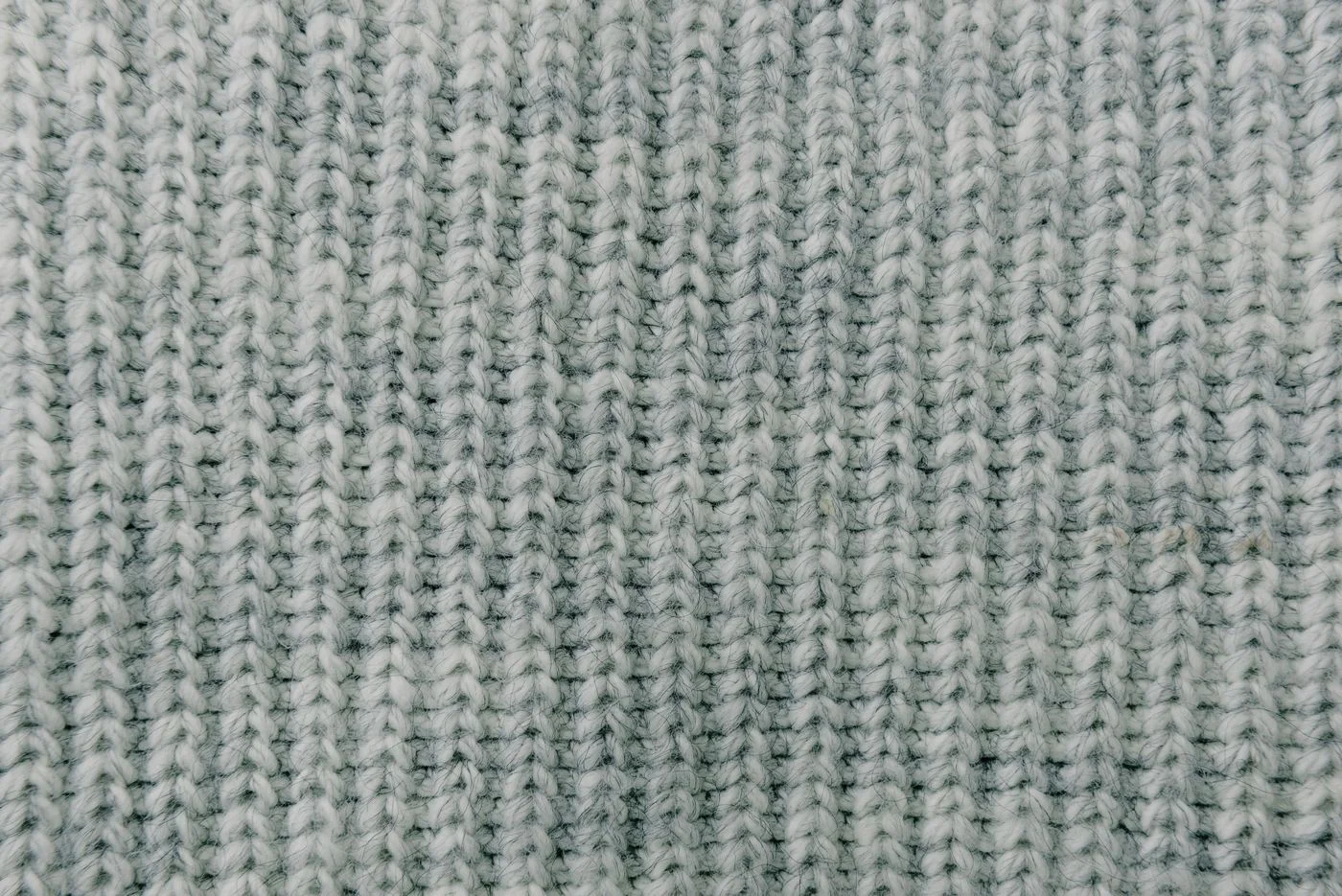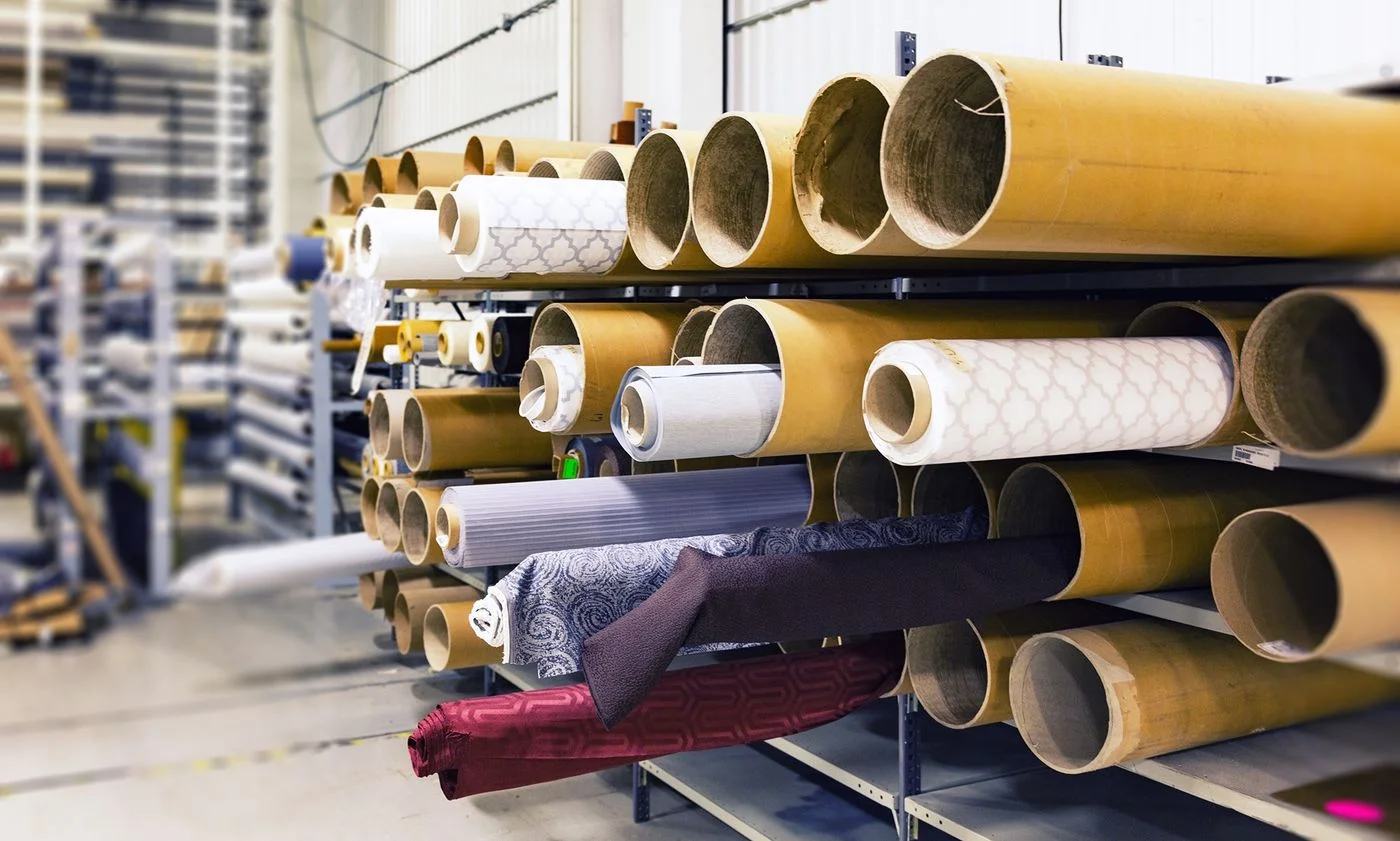

How to Choose a Sustainable Knit Fabric Supplier
From recycled fibre to water management, certifications to traceability — the practical criteria for evaluating a genuinely sustainable knit fabric supplier.
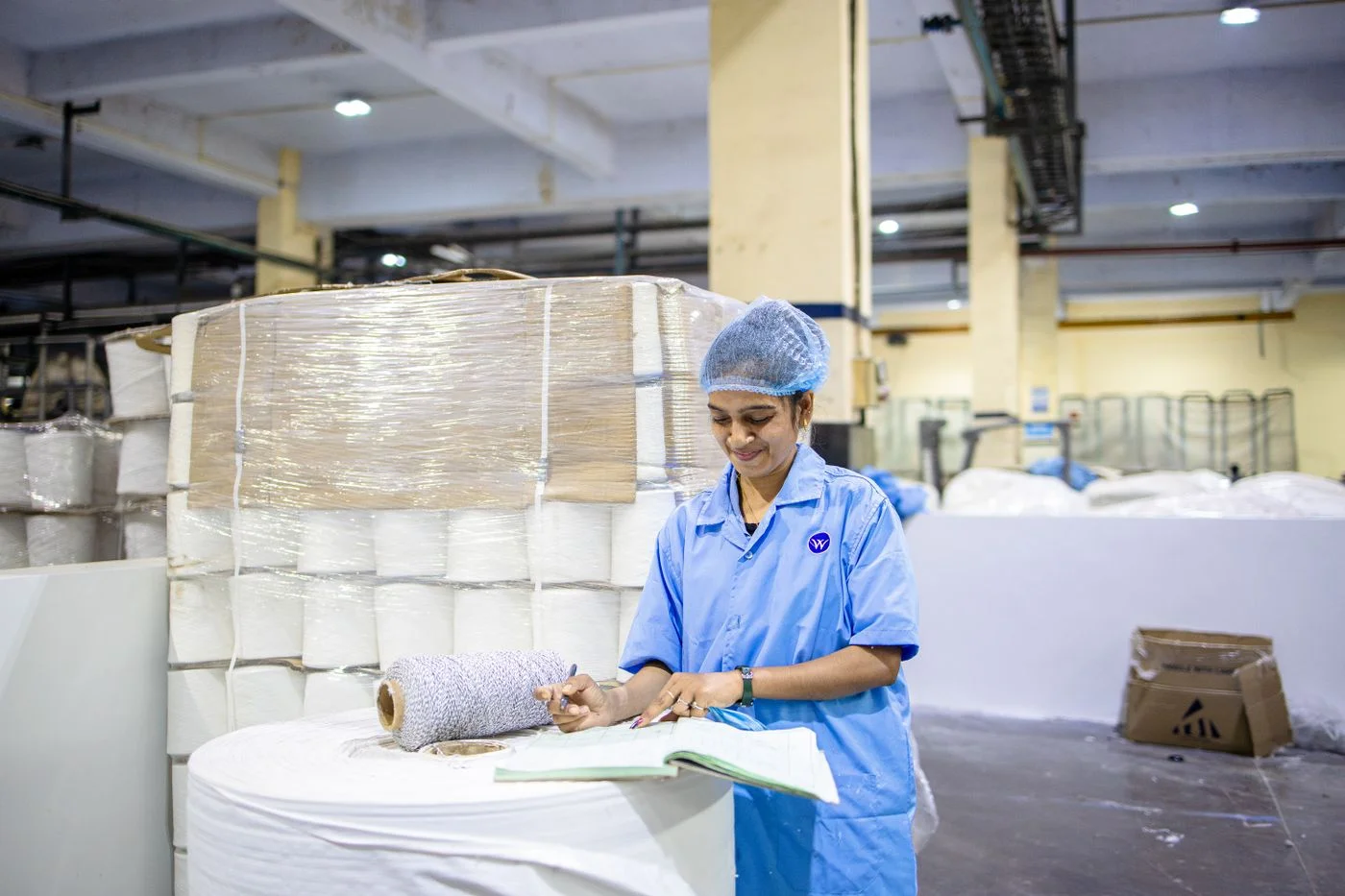
Sustainability is no longer optional — for most markets it is a requirement. But in an industry full of "green" claims, telling apart a genuinely sustainable knit fabric supplier is not easy. This guide lists the questions to ask and the evidence to look for when choosing the right partner.
1. Are the Certifications Real?
The first step is checking whether claims are backed by documentation. Key certificates to look for: GRS (recycled content and supply-chain traceability), GOTS (organic content) and OEKO-TEX® Standard 100 (free of harmful substances). Always request the valid certificate number and scope.
2. Recycled and Natural Fibre Options
A sustainable supplier should offer low-impact fibre options like recycled polyester (rPET) and organic cotton. Performance fabrics like polyester scuba lower their footprint when made with rPET, without sacrificing durability.
3. Water and Energy Management
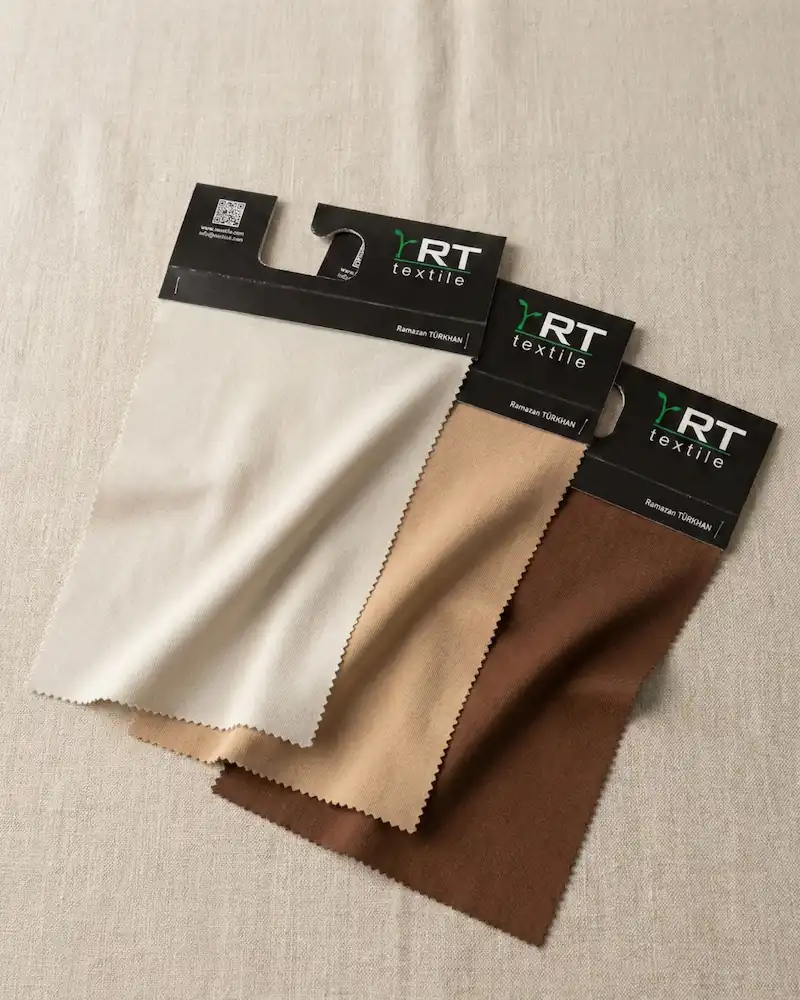
Dyeing and finishing are the most resource-intensive stages of textiles. A good supplier uses low-liquor dyeing, water recovery systems and digital (sublimation) printing to cut water and chemical use. Ask about the facility's wastewater treatment capacity.
4. Transparency and Traceability
Genuine sustainability requires transparency. A supplier should be able to share production stages and raw-material sourcing in a traceable way. Vertical integration — from yarn to shipping under one roof — makes this traceability far easier.
5. Flexibility and Long-Term Partnership
Sustainability also means reducing waste. Flexible minimum orders and fast sampling prevent overproduction and dead stock. A long-term partnership is the most solid ground for continuous improvement.
Conclusion
The right supplier is certified, transparent, flexible and rich in fibre options. At RT Tekstil, since 1980, our integrated production and OEKO-TEX® certification deliver sustainable fabric solutions. For samples and information, get in touch with us.