

Blog
Best Knitted Fabric Manufacturers: How to Choose the Right Partner for B2B Textile Sourcing

When searching for the best knitted fabric manufacturers, choosing the right partner for B2B textile sourcing is crucial for businesses looking to produce high-quality apparel and other textile products. The landscape of knitted fabric manufacturing is vast, with numerous manufacturers offering a variety of fabrics suited for different applications. This article will guide you through the essential factors to consider when selecting a knitted fabric manufacturer, including the types of knitted fabrics available, the criteria for evaluating manufacturers, and the unique offerings of RT Tekstil, a leading player in the industry. By understanding these elements, you can make informed decisions that align with your business needs and sustainability goals.
In this guide, we will explore the key types of knitted fabrics and their applications, the criteria for selecting a top manufacturer, how RT Tekstil stands out in the Turkish textile market, the custom knit fabric production process, the latest trends in the global knitted fabric market, and how B2B clients can effectively partner with RT Tekstil for global fabric export.
What Are the Key Types of Knitted Fabrics and Their Applications?
Knitted fabrics are versatile materials used in various applications, from fashion to functional sportswear. Understanding the different types of knitted fabrics is essential for selecting the right material for your project.
Which Characteristics Define Jersey, Interlock, Rib, and Fleece Fabrics?
- Jersey Fabric: Known for its stretch and softness, jersey is widely used in t-shirts and dresses. It is lightweight and breathable, making it ideal for casual wear.
- Interlock Fabric: This fabric is thicker and more stable than jersey, providing a smooth surface on both sides. It is often used for activewear and children’s clothing due to its durability.
- Rib Fabric: Ribbed fabrics have raised vertical lines, offering excellent elasticity. They are commonly used in cuffs, collars, and fitted garments.
- Fleece Fabric: Fleece is soft and warm, making it perfect for outerwear and loungewear. Its insulating properties make it a popular choice for cold-weather clothing.
These fabrics cater to various industries, including fashion, sports, and home textiles, each serving specific functional and aesthetic needs.
How Do Fabric Properties Influence Their Use in Apparel and Sportswear?
The properties of knitted fabrics significantly influence their applications in apparel and sportswear. Key factors include:
- Breathability: Fabrics like jersey allow air circulation, making them suitable for summer clothing and activewear.
- Stretchability: Fabrics such as interlock and rib provide flexibility, essential for sportswear that requires movement.
- Durability: Fleece and interlock fabrics are robust, making them ideal for items that undergo frequent wear and tear.
Understanding these properties helps manufacturers and designers select the right fabric for their specific needs, ensuring optimal performance and comfort in the final product.
What Criteria Should You Use to Select the Best Knitted Fabric Manufacturers?
Selecting a top knitted fabric manufacturer involves evaluating several critical criteria to ensure quality and reliability.
Why Are Quality Certifications Like Oeko-Tex Essential for Textile Suppliers?
Quality certifications, such as Oeko-Tex Standard 100, are vital for textile suppliers as they guarantee that the fabrics meet safety and environmental standards. Oeko-Tex certification ensures that the materials are free from harmful substances, promoting consumer trust and safety. Manufacturers with such certifications demonstrate a commitment to quality and sustainability, making them more attractive partners for businesses focused on ethical sourcing.
How Do Production Capacity and Scalability Impact Your Fabric Sourcing?
Production capacity and scalability are crucial factors when choosing a manufacturer. A supplier with adequate production capacity can meet large orders without compromising quality or lead times. Scalability is equally important, as it allows manufacturers to adjust production levels based on demand fluctuations. This flexibility is essential for businesses that may experience seasonal spikes in orders or need to scale up for new product launches.
How Does RT Tekstil Stand Out Among Textile Manufacturers in Turkey?
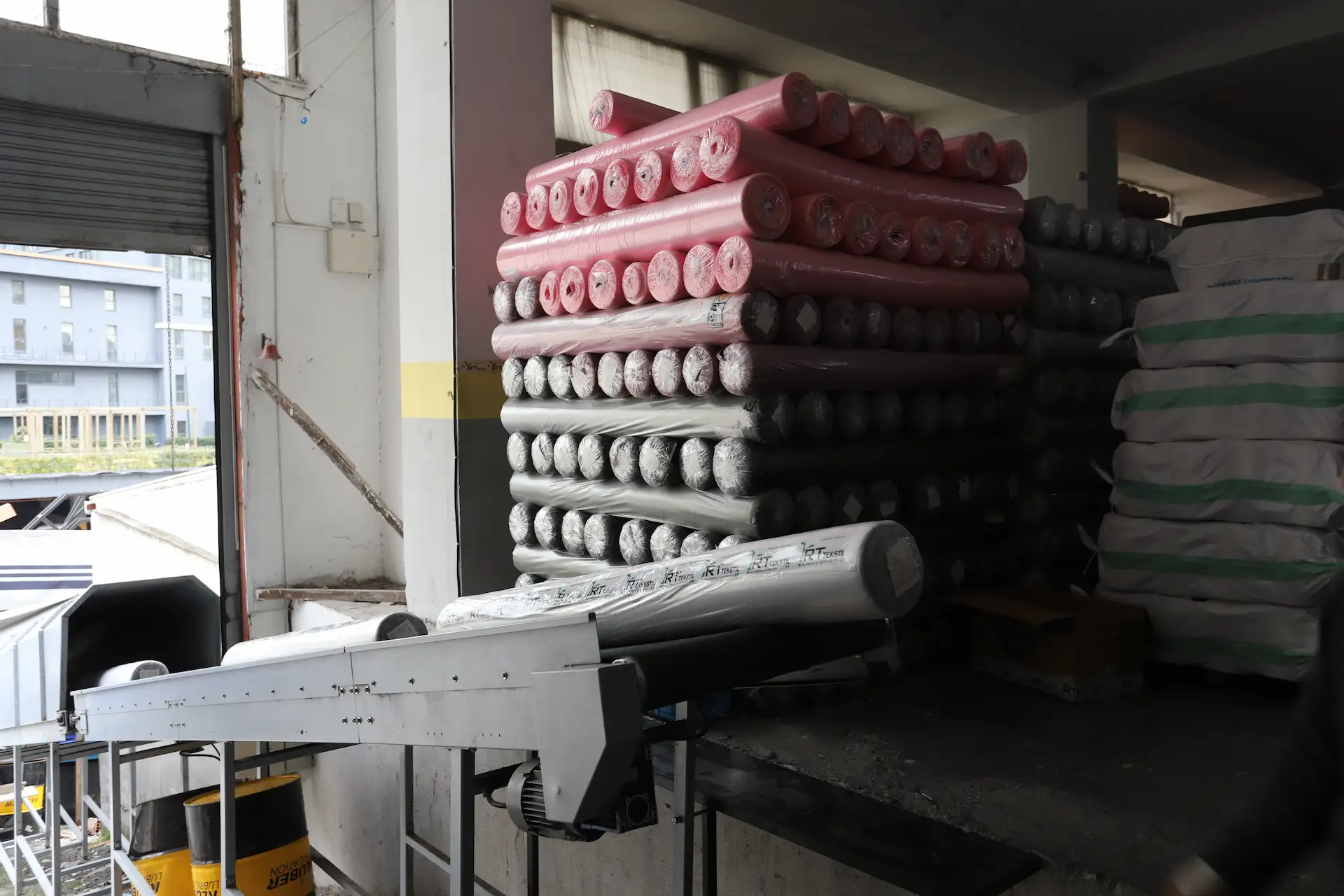
RT Tekstil is a prominent knitted fabric manufacturer and exporter based in Istanbul, with over 40 years of experience in the industry. The company operates integrated facilities in Esenyurt, focusing on speed, quality, and sustainability.
What Advantages Do RT Tekstil’s 40+ Years of Experience and Integrated Facilities Offer?
RT Tekstil’s extensive experience in the textile industry translates into superior product quality and reliability. Their integrated facilities streamline the production process, allowing for efficient management from yarn production to final shipment. This comprehensive approach ensures that clients receive high-quality fabrics tailored to their specifications, with consistent delivery timelines.
Which Knitted Fabric Types and Sustainable Practices Does RT Tekstil Provide?
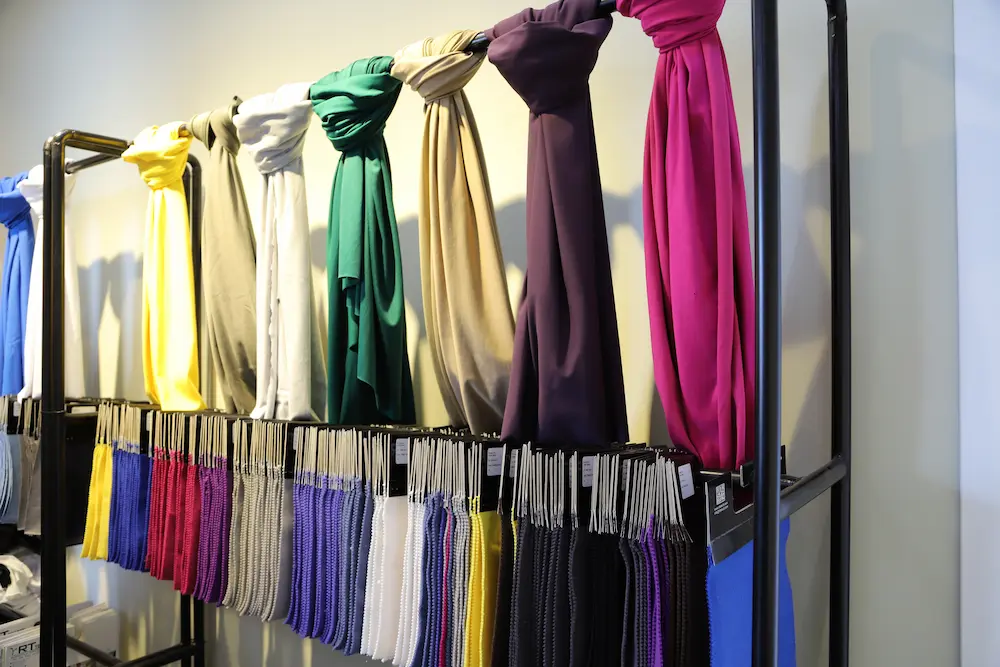
RT Tekstil offers a diverse range of knitted fabrics, including cotton, polyester, and specialized blends. The company emphasizes sustainable practices throughout its production processes, utilizing eco-friendly materials and methods that minimize environmental impact. This commitment to sustainability not only meets the growing demand for responsible sourcing but also enhances the overall appeal of their products in the global market.
How Does the Custom Knit Fabric Production Process Work at RT Tekstil?
Understanding the custom knit fabric production process is essential for clients looking to create unique textile products.
What Steps Are Involved from Inquiry to Delivery in Custom Fabric Orders?
- Inquiry: Clients submit their fabric requirements, including specifications and desired quantities.
- Sampling: RT Tekstil provides samples for client approval, ensuring the fabric meets expectations.
- Production: Upon approval, the manufacturing process begins, utilizing advanced knitting technology.
- Quality Control: Rigorous quality checks are conducted throughout production to maintain high standards.
- Delivery: Finished products are shipped to clients, adhering to agreed timelines.
This structured approach ensures that clients receive high-quality, customized fabrics that align with their project goals.
How Does RT Tekstil Ensure Quality Control and Fast Global Logistics?

RT Tekstil employs stringent quality control measures at every stage of production, from raw material selection to final inspection. Their commitment to quality is complemented by efficient logistics capabilities, enabling fast and reliable shipping to global clients. This combination of quality assurance and logistical efficiency positions RT Tekstil as a preferred partner for businesses seeking dependable fabric sourcing solutions.
What Are the Latest Trends and Innovations in the Global Knitted Fabric Market?
The global knitted fabric market is evolving, with several trends and innovations shaping its future.
How Is Sustainability Shaping Textile Manufacturing and Certifications?
Sustainability is becoming a central focus in textile manufacturing, with increasing consumer demand for eco-friendly products. Manufacturers are adopting sustainable practices, such as using organic materials and implementing waste-reduction strategies. Certifications like Oeko-Tex Standard 100 and GOTS (Global Organic Textile Standard) are gaining prominence, providing consumers with assurance regarding the environmental impact of their purchases.
What Functional Fabrics and Technologies Are Driving Market Growth Through 2026 and Beyond?
Innovations in functional fabrics, such as moisture-wicking and temperature-regulating materials, are driving market growth. Technologies that enhance fabric performance, such as antimicrobial treatments and UV protection, are becoming increasingly popular in sportswear and outdoor apparel. These advancements not only improve the functionality of knitted fabrics but also cater to the evolving needs of consumers seeking high-performance clothing.
How Can B2B Clients Effectively Partner with RT Tekstil for Global Fabric Export?
Partnering with RT Tekstil offers numerous advantages for B2B clients looking to source high-quality knitted fabrics.
What Are the Benefits of Direct Factory Pricing and Long-Term Business Partnerships?
By working directly with RT Tekstil, clients can benefit from competitive factory pricing, eliminating middlemen costs. Long-term partnerships foster collaboration and trust, allowing for better communication and tailored solutions that meet specific business needs. This direct relationship enhances the overall sourcing experience, ensuring that clients receive the best value for their investments.
How to Request Quotes and Evaluate RT Tekstil as Your Knitted Fabric Supplier?
To request quotes from RT Tekstil, clients can submit their fabric specifications through the company’s website. It is essential to evaluate potential suppliers based on their product range, quality certifications, production capacity, and sustainability practices. By considering these factors, businesses can make informed decisions when selecting a knitted fabric supplier that aligns with their values and requirements.
A structured approach to supplier evaluation can significantly enhance the efficiency and effectiveness of B2B textile sourcing decisions.
| Criteria | Importance | Considerations |
|---|---|---|
| Quality Certifications | High | Ensures safety and compliance with standards |
| Production Capacity | Medium | Ability to meet order demands without delays |
| Sustainability Practices | High | Aligns with consumer demand for eco-friendly products |
| Experience | High | Indicates reliability and expertise in the industry |
This table summarizes the key criteria for evaluating knitted fabric manufacturers, highlighting the importance of each factor in the decision-making process.