Sustainable Knit Fabric Production and Türkiye's Role in Exports
Sustainability is no longer optional — it is a precondition for export. From recycled fibre to water saving, a look at Türkiye's strong position in knit fabric exports.
Sustainability has moved beyond marketing in textiles; it is now a core precondition that global brands demand from their suppliers. New EU regulations and shifting consumer expectations are pushing manufacturers toward cleaner, more traceable and more responsible processes. This article covers the building blocks of sustainable knit production and Türkiye's strong position in this transition.
Why Sustainable Textiles Matter
Textiles is one of the most water- and waste-intensive industries. Growing a kilogram of cotton requires thousands of litres of water, while dyeing and finishing use significant chemicals and energy. Two forces drive change: regulatory pressure (EU Green Deal, digital product passport, extended producer responsibility) and market demand from brands needing certified suppliers to meet carbon and social-compliance commitments.
Building Blocks of Sustainable Production
1. Recycled and Organic Fibre
Recycled polyester (rPET) from used PET bottles requires far less energy than virgin polyester, while organic cotton is grown without synthetic pesticides. Performance fabrics like polyester scuba lower their footprint when produced with rPET, without sacrificing durability.
2. Water and Energy Management
Dyeing and finishing are the most resource-intensive stages. Low-liquor dyeing, water recovery systems and sublimation (digital) printing dramatically cut water and chemical use.
3. Certification and Traceability
Credible claims require independent certification: OEKO-TEX® Standard 100 (harmful-substance free), GOTS (organic content) and GRS (recycled content and supply-chain traceability).
Türkiye's Role in Knit Fabric Exports
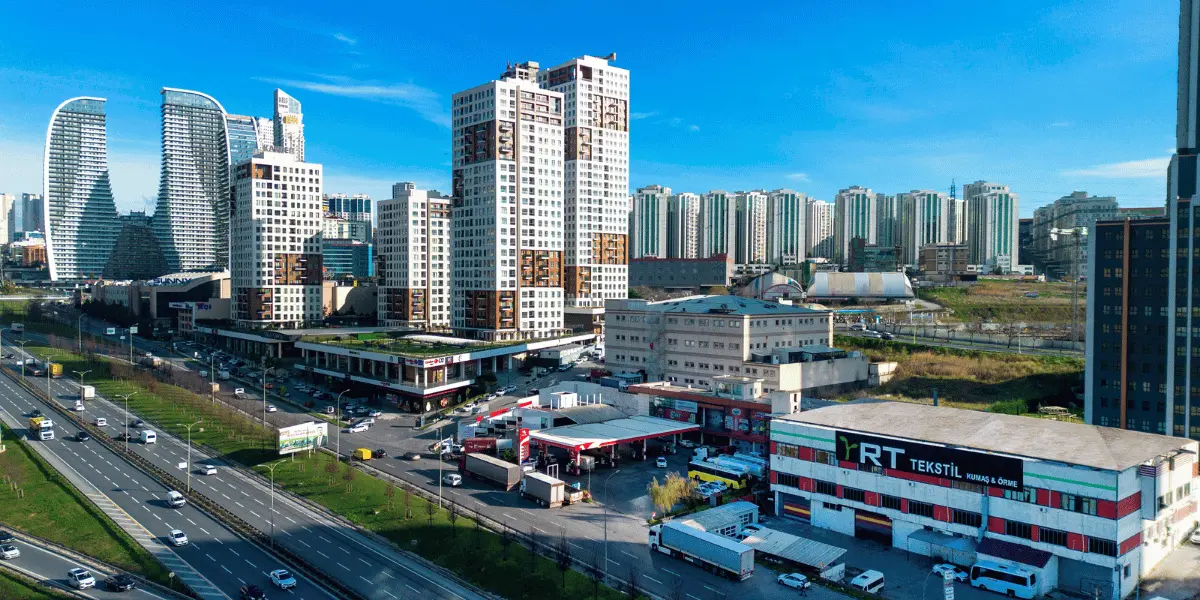
Türkiye is a leading textile and apparel exporter with a special position in knits, thanks to several structural advantages: geographic proximity to the European market for fast, low-cost delivery; vertical integration from yarn to garment; flexible production with fast sampling and adaptable MOQs; and decades of experience that build trust on technical and complex orders. Istanbul sits at the heart of this ecosystem — and RT Tekstil has manufactured here since 1980.
Fast Fashion and the Circular Economy
The solution to the fast-fashion vs sustainability tension lies in circular-economy principles: more durable fabrics, recyclable mono-material compositions, reclaiming production waste and extending product life. Durable outerwear knits like double-face and long-lasting basics like quality three-thread fleece embody the "fewer but better" approach.
Conclusion
Sustainability is shaping the future of knit fabric production, and Türkiye stands out as a strong player through its location, integrated supply chain and manufacturing experience. For sustainable fabric options and sample requests, get in touch with us.