Crinkle (Crepe) Fabric
A textured summer knit with a permanently set crinkle. Lightweight at 120–180 g/m², crinkle (crepe) fabric reads as relaxed, low-iron and softly flowing — the puckered surface hides creases instead of showing them. We knit it in viscose and polyester blends and dye it in our own dyehouse, so the texture, the hand and the shade all land where your summer range needs them.
See your shade on real crinkle.
Crinkle is dyed in our own dyehouse — disperse dyes on the polyester component, reactive dyes where viscose leads — and the textured surface changes how a color reads, deepening solids and softening pastels. With lab-dip approval and a zero color-deviation target, the bulk run comes off the line in the tone you signed off. The card below shows the structure of a summer-leaning palette; every shade is photographed on the actual crinkled fabric at order stage, because flat color chips never show how the pucker breaks the light.
Note: on-screen tones only show the range; the binding color reference is given via Pantone and lab-dip. Any custom shade is matched with a dedicated lab-dip on the crinkled base.
A puckered surface that is built in, not printed on.
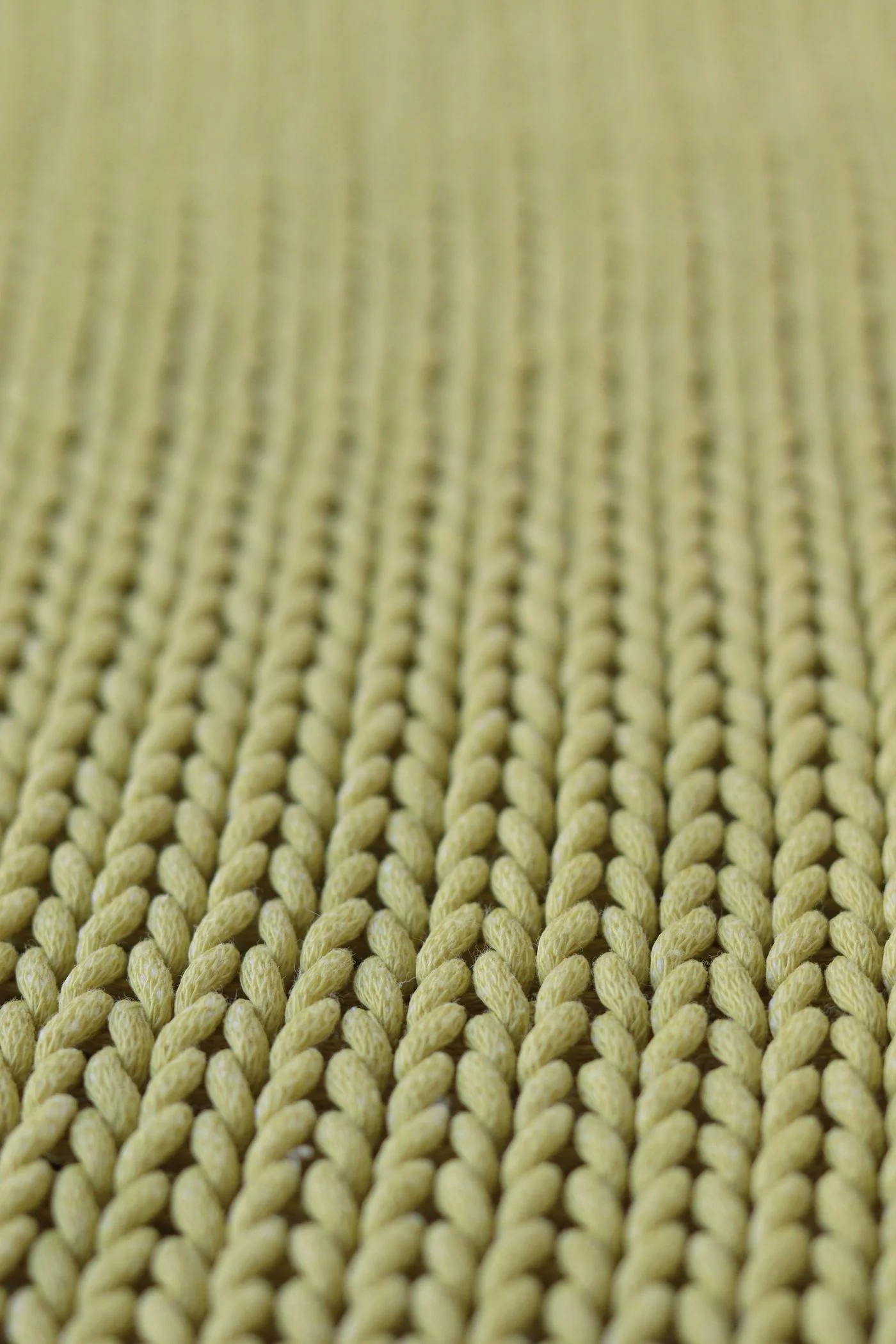
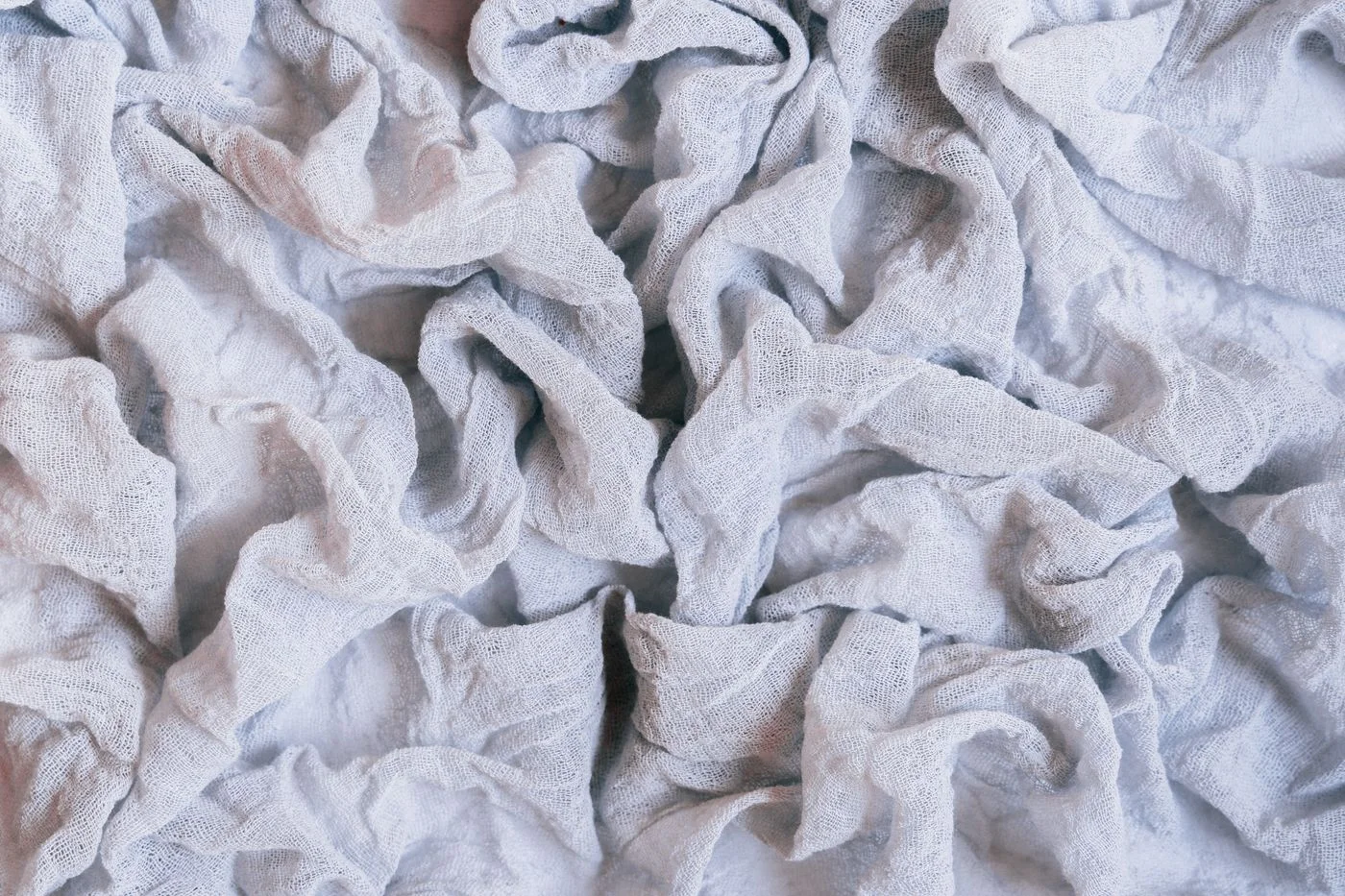
Crinkle — sold in many markets as crepe — is a knit whose face carries a fine, irregular pucker: a low-relief texture of tiny ridges and valleys running across the cloth. The point that buyers most need to understand is that this is a set surface effect, not a print. The crinkle is worked into the fabric by heat and mechanical setting so it becomes part of the structure, rather than a pattern lying on top of a flat ground that would wash or rub away.
Because the surface is broken rather than smooth, light scatters across it and the cloth reads as matte, textured and quietly premium. That same broken surface is why crinkle is forgiving in wear: a flat poplin shows every crease, but on crinkle a new fold simply disappears into the existing texture. The hand is dry and airy, the drape is light and flowing, and the fabric sits away from the body — which is exactly why it suits warm-weather summer dresses, blouses, shirts and light tops.
Crinkle vs crepe vs seersucker: clearing up the names
English-speaking buyers meet several overlapping terms. Crinkle and crepe are used almost interchangeably here for this textured, pebbled summer cloth. True woven crepe classically gets its grain from high-twist yarns; in a knitted crinkle the same crepe-like look is achieved through setting and finishing. Seersucker is a near cousin but different — it has distinct flat and puckered stripes woven in, whereas crinkle carries an all-over, more random pucker. When you brief us, describe the look you want and we will match the right base and finish.
Crinkle fabric's permanent textured surface adds visual depth to dresses, blouses, and resort-wear separates that benefit from a relaxed aesthetic — a striking contrast to the flat hand of single jersey plain-knit fabric. For bodies requiring more structure and surface interest, piqué lacoste textured fabric is a natural step up in construction weight. Edge and neckline finishes on crinkle garments can be cleanly resolved with rib knit recovery-band fabric, whose smooth face provides a purposeful contrast trim. For broader context, our complete guide to knit fabric types and uses pairs well with the full knitted-fabrics portfolio overview.
For buyers · Texture & careHow the crinkle texture is set — and why it resists ironing.
The reason crinkle is a low-iron, wash-and-wear fabric comes down to how the texture is made permanent. The pucker is introduced and then locked in by heat-setting: the cloth is compressed or overfed to form the ridges, then taken through controlled heat that sets those folds into the fibre's memory. On polyester and viscose/polyester blends this thermal set is especially durable — the thermoplastic polyester literally "remembers" the crinkled shape, so the texture survives repeated home laundering.
That built-in memory is what fights creasing. After a wash, the fabric wants to return to its set, puckered state — so wrinkles from wearing or drying relax back into the texture instead of standing out as sharp creases. In practice that means little to no ironing, which is the whole selling point for travel ranges, summer holiday wear and easy-care everyday pieces.
| Care step | What to do | Why it protects the crinkle |
|---|---|---|
| Washing | Cool to warm gentle/delicate wash, mild detergent | Avoids over-relaxing the viscose; keeps the set texture crisp |
| Drying | Hang or line dry; reshape gently while damp | The pucker re-forms as it dries — no need to pull it flat |
| Ironing | Best avoided; if needed, low heat from the reverse, no steam pressing flat | A hot flat iron crushes the relief and removes the look |
| Tumble dry | Low or air only, where the blend allows | High heat can over-set or flatten high-viscose constructions |
What holds the texture over washes
- Polyester content: the more polyester in the blend, the more permanent the heat-set crinkle and the better it holds wash after wash.
- Correct setting temperature: our finishing dials the heat to the blend so the texture is locked without glazing the surface.
- Gentle care: cool washes and air drying keep the pucker sharp for the life of the garment.
Recovery & wear behaviour
- Crease recovery: folds relax back into the texture rather than setting as lines — the wash-and-wear effect.
- Dimensional behaviour: a textured knit can relax in length; we finish to a controlled, stated shrinkage.
- Hand over time: high-viscose blends soften with washing; high-polyester blends keep their crispness longest.
Practical takeaway: a brief that says only "crinkle, 150 gsm" leaves the most important lever open. Tell us how the garment will be cared for and how permanent the texture must stay, and we set the blend and the finishing to match — then prove the wash-and-wear behaviour on a sample.
Technical dataSpec summary.
| Property | Value / Range | Note |
|---|---|---|
| Weight | 120–180 g/m² | 120–140 airy blouse · 140–160 dress · 160–180 fuller shirt |
| Composition | Viscose · polyester · viscose/polyester blends | Blend ratio set by hand and durability target |
| Surface / finish | Set crinkle / crepe texture | Heat- and mechanically set; a built-in effect, not a print |
| Width | Open width | Slit flat for free cutting layout; per requirement |
| Drape / care | Light, flowing; low-iron / wash-and-wear | Texture hides creases; little to no ironing needed |
| Shrinkage | Controlled | Finished to a stated tolerance; higher viscose relaxes more |
| Color fastness | OEKO-TEX® · lab-dip | Integrated dyehouse, zero color-deviation target |
What crinkle becomes.
The gallery below maps the warm-weather end-use range of crinkle. Production images will be filled with real garments made from this fabric (no stock photography).
 Real
Real Real
Real Real
Real Real
RealViscose vs polyester crinkle: drape, breathability and print.
Two crinkles at the same 150 g/m² can behave very differently, and the deciding factor is the fibre — and, in a blend, the ratio between them. Viscose and polyester pull in opposite directions, so the right mix depends on what the summer range needs to do: feel cool and fluid, or hold color, texture and print through hard wear.
| Property | Viscose-led crinkle | Polyester-led crinkle |
|---|---|---|
| Drape & hand | Softer, cooler, more fluid; a more natural fall | Crisper and springier; holds a fuller shape |
| Breathability | High — absorbs moisture, feels cool on skin | Lower absorbency; engineered finishes aid comfort |
| Texture permanence | Good, but relaxes more with washing | Excellent — the heat-set crinkle is locked in hardest |
| Color & print | Reactive dyes, rich depth; less suited to sublimation | Disperse dyes; ideal for sublimation print, strong color hold |
| Durability | Good with care; can lose body if over-washed | Higher — abrasion resistance and color hold |
| Best for | Premium drape, breathable summer dresses and blouses | Printed ranges, easy-care travel wear, longest-lasting texture |
In practice most summer ranges land on a blend, and moving the ratio is how the hand is tuned. Lean toward viscose for cool, fluid drape and natural breathability; lean toward polyester for crisper body, sublimation-print readiness, stronger color hold and the most permanent crinkle. A balanced viscose/polyester blend keeps much of the viscose softness while the polyester anchors the texture and the color.
Choose viscose-led when
- You want the softest, coolest hand and the most natural, fluid fall.
- Breathability for hot-climate wear matters more than maximum durability.
- Colors are solid or reactive-dyed rather than all-over sublimation prints.
Choose polyester-led when
- The range is printed — polyester takes sublimation cleanly and holds color.
- Texture must stay sharp wash after wash with the lowest care effort.
- Durability, shape retention and easy-care travel performance lead the brief.
Not sure which way to lean? Tell us the garment, the climate it sells into and how it will be printed and cared for, and we will propose a blend ratio and finishing, then prove the drape and texture on a sample before any bulk commitment.
Why RT TekstilKnitting, dyeing and finishing under one roof.
Integrated production means the whole chain — from knitting the base through dyeing, crinkle setting and finishing — sits in one set of hands. For a textured fabric that matters twice over: the setting and the dyeing are tuned together, so the pucker and the shade are dialled in on the same line, and there is no dependence on outside sub-suppliers. Our in-house color laboratory works to a zero color-deviation target, and with 45 years of manufacturing behind it the texture and the tone repeat order after order.
Request the color card, start with a sample.
Share your target weight, blend and shade; we will prepare a crinkle (crepe) sample and quote at container scale.
Crinkle (crepe), answered.
It is a lightweight knit with a fine, all-over puckered surface — a textured, pebbled look sold in many markets as crepe. The crinkle is a built-in surface effect set into the cloth by heat and finishing, which gives it a dry, airy hand and a light, flowing drape. It is a summer favourite for dresses, blouses, shirts and light tops.
Little to none — that is its main appeal. Because the surface is already textured, new creases relax back into the pucker instead of standing out, so the fabric is genuinely low-iron and wash-and-wear. If you ever do press it, use low heat from the reverse and never iron it flat, as a hot flat iron crushes the texture.
No, when it is set correctly. The pucker is heat-set into the fibre rather than printed on, so it survives repeated home laundering. Polyester and viscose/polyester blends hold the texture hardest because polyester "remembers" the set shape; very high-viscose constructions relax a little more, which is why we tune the blend to your permanence target.
Viscose-led gives the softest, coolest, most fluid drape and the best breathability; polyester-led gives crisper body, the most permanent texture, stronger color hold and clean sublimation printing. Most summer ranges use a blend, and we move the ratio to tune the hand — viscose for drape and breathability, polyester for durability, print and texture permanence.
Yes, and the fibre decides the method. Polyester and polyester-rich crinkle take sublimation print cleanly with excellent color hold — ideal for all-over patterned summer ranges. Viscose-led crinkle is better suited to reactive dyeing and depth of solid color. Tell us your print plan and we recommend the blend to match.
As a textured knit it can relax in length, so we finish it to a controlled, stated shrinkage; higher-viscose blends relax a little more. For care, use a cool to warm gentle wash with mild detergent, hang or line dry and reshape while damp — the pucker re-forms on its own. Avoid pressing it flat with high heat.
We work at container scale. The process starts with a sample; once the texture, shade and weight are approved, the quote, lead time and production plan are confirmed through our central channel. With 4–5× ready capacity, we plan timing around your program.