Piqué (Lacoste) Fabric
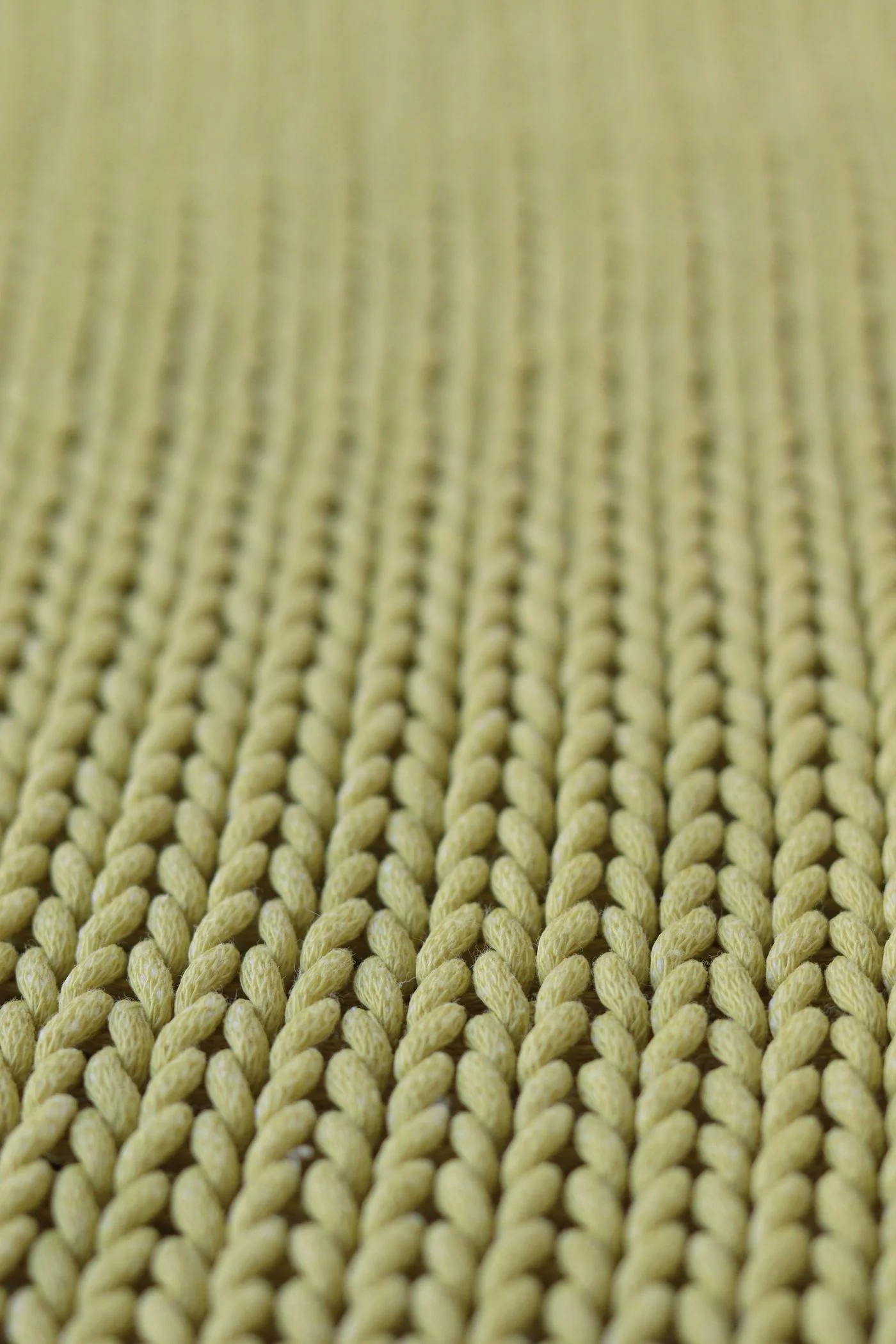
The textured knit behind the classic polo shirt. Piqué carries a raised honeycomb / waffle surface that makes it breathable, dimensionally stable and crisp to handle — quite unlike a flat jersey tee. We supply it from 180 to 240 g/m², in 100% cotton and cotton/polyester blends. At RT Tekstil we knit, dye and finish it under one roof, so the GSM, yarn and shade you target are exactly what comes off the line — including the matching collars and cuffs.
See your shade on real fabric.
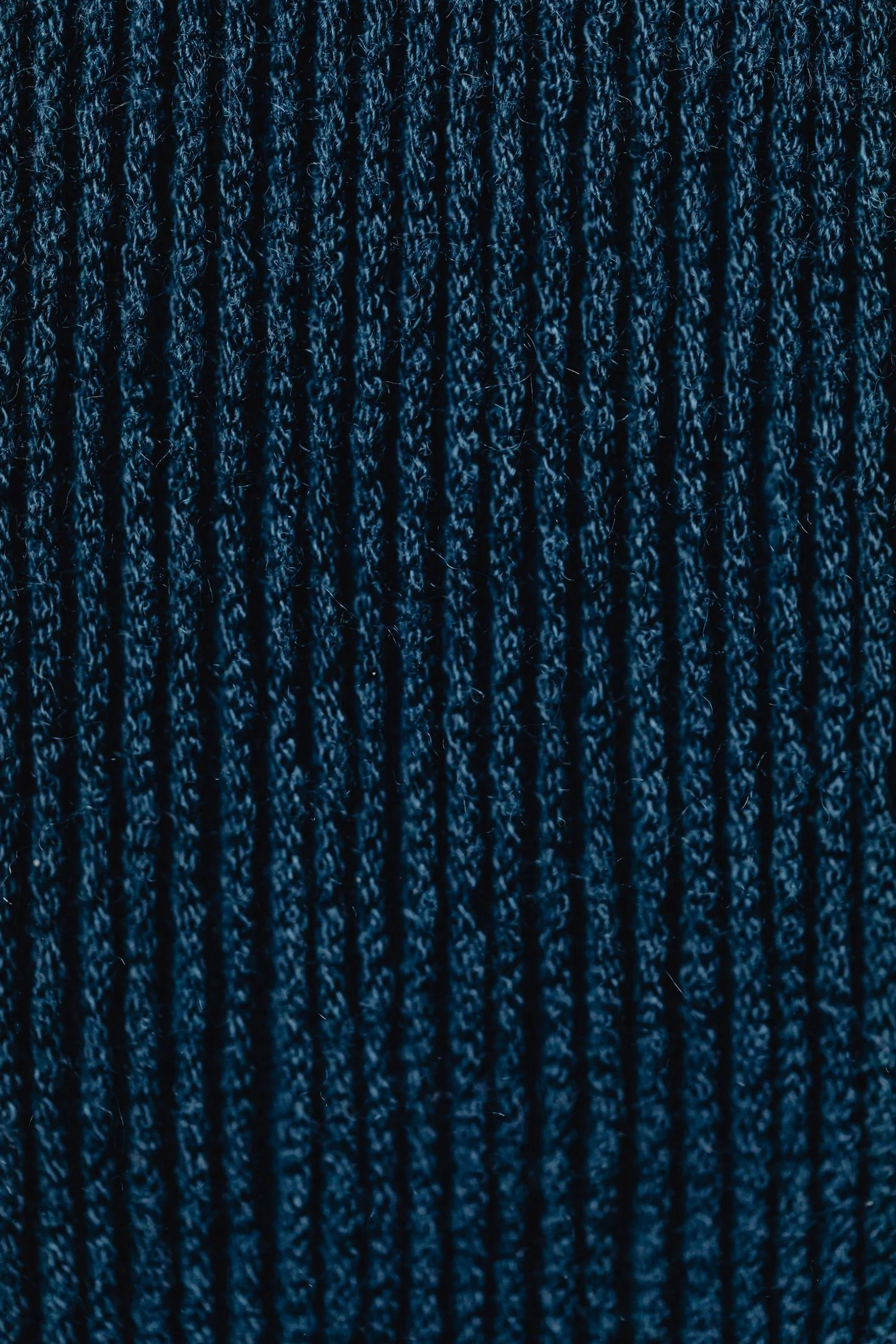
Piqué is dyed in our own dyehouse with reactive dyes on cotton and disperse dyes on the polyester component. With lab-dip approval and a zero color-deviation target, the bulk run comes off the line in the same tone as the shade you signed off — and, just as important for polos, the rib collar and cuff are dyed to match the body. The card below shows the structure of our standard palette; every shade is photographed on the actual fabric at order stage.
Note: on-screen tones only show the range; the binding color reference is given via Pantone and lab-dip. Any custom shade — including a corporate brand color — is matched with a dedicated lab-dip.
The honeycomb knit, decoded.
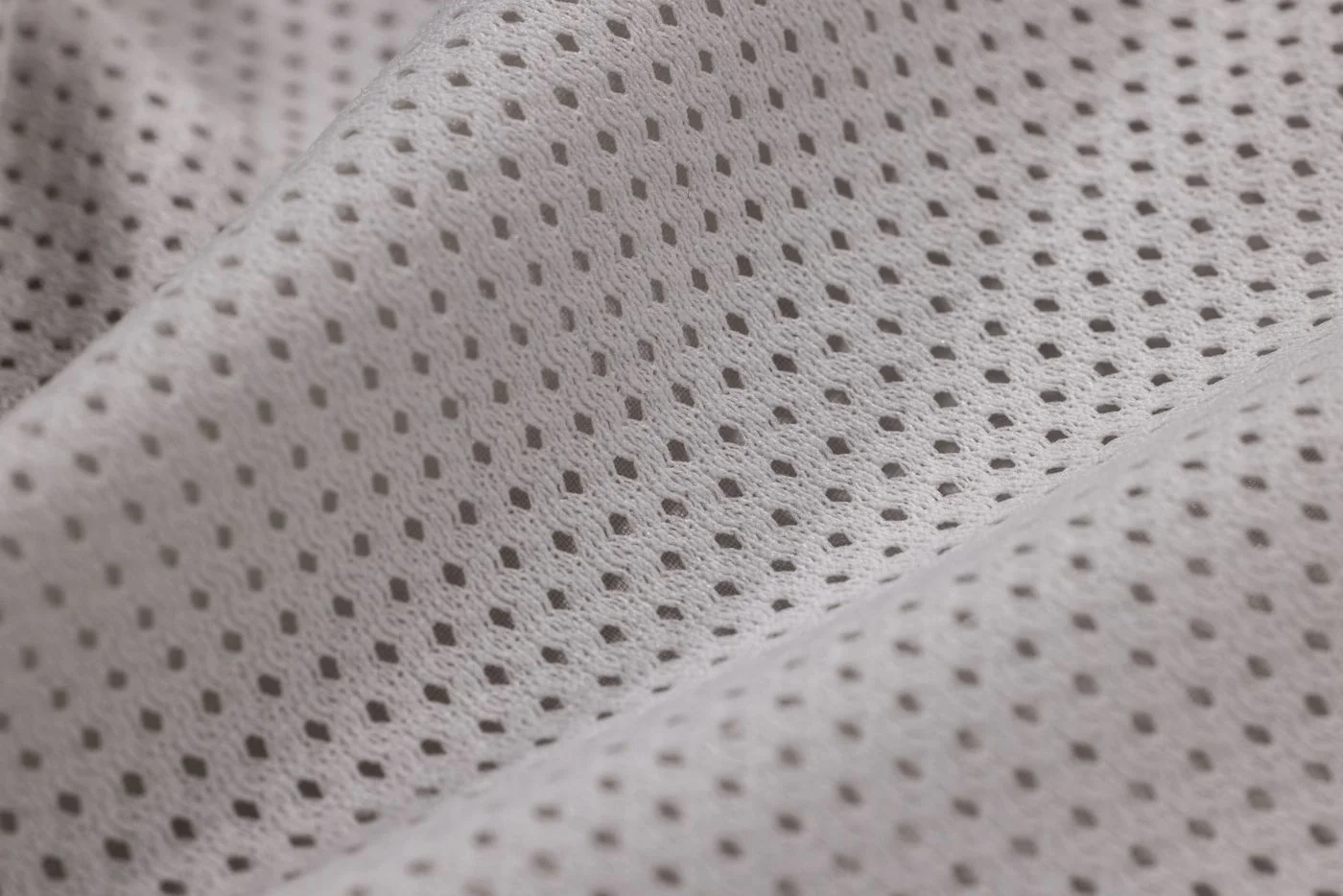
Piqué is a weft knit built on a structured honeycomb stitch — a regular grid of small raised cells, often described as a waffle or bird's-eye texture. Instead of the flat, smooth column of a single jersey, the knitting sequence pulls and tucks loops so the surface lifts into a fine three-dimensional pattern. That little bit of geometry is the whole point: it traps tiny air pockets, holds its shape, and gives a polo its recognisable matte, textured face.
The name "Lacoste" is the common trade term for this fabric in many markets, after the brand that made the cotton piqué polo famous in the 1930s. In a sourcing context the two words point to the same construction: when a buyer asks for "lacoste fabric," they mean cotton (or cotton/polyester) piqué in the 180–240 g/m² polo range. We use piqué as the technical name and treat "Lacoste-type" as its everyday synonym.
Why polos use piqué instead of plain jersey
A polo could, in theory, be cut from single jersey — but it rarely is, and the reason is structural. The honeycomb traps air, so piqué breathes better and feels drier on a warm day. The interlocking cells give it more body and recovery, so a collar stands up and the placket keeps its shape instead of going limp. And because the surface is broken rather than smooth, piqué hides minor creasing and wears its life out more gracefully — exactly what a garment that lives between casual and smart needs.
Piqué's textured, breathable surface makes it a premium alternative to single jersey smooth knit fabric for polo shirts, performance tops, and uniform programmes. Finishing details such as plackets and button bands pair seamlessly with our collar and cuff rib trim accessories, which are engineered to match the weight and handle of piqué bodies. Buyers seeking a stretchier edge finish for casual or sportswear applications can also specify rib knit stretch-band fabric alongside their piqué shell. For broader context, our complete guide to knit fabric types and uses pairs well with the full knitted-fabrics portfolio overview.
Structure · Piqué vs single jerseyPiqué vs single jersey: why polos use a honeycomb knit.
Both are cotton weft knits, but they are built differently and they behave differently — and for a polo program the difference is decisive. Single jersey is a flat, single-faced knit: light, fluid, and the right base for a t-shirt. Piqué adds tuck stitches that lift the surface into honeycomb cells, trading a little softness for structure, breathability and shape retention. The table below sets the two side by side on the points that actually drive a polo brief.
| Property | Piqué (Lacoste) | Single jersey |
|---|---|---|
| Surface | Raised honeycomb / waffle cells; matte, textured | Flat, smooth V-stitch face |
| Breathability | Higher — the cells hold air pockets and move moisture | Good, but a flat, closer face |
| Structure & recovery | More body; holds shape, collar and placket stand well | Softer and more fluid; relaxes more easily |
| Hand | Crisp, dry, substantial | Soft, light, close to the skin |
| Crease & wear | Broken surface hides minor creasing | Shows creases and edge-curl more readily |
| Typical weight | 180–240 g/m² | 120–220 g/m² |
| Best for | Polo shirts, polo dresses, corporate & uniform polos | T-shirts, underwear, dresses, baby & kids |
Embroidery & logo behavior
- Stable base for badges: the denser honeycomb supports an embroidered chest logo with less puckering than a thin jersey.
- Backing still matters: for crisp left-chest embroidery we still recommend a cut-away backing; the structure does the rest.
- Tonal logos read well against the matte, broken surface — a key reason corporate polos favour piqué.
Print behavior
- Texture is visible: the honeycomb shows through a print, so fine detail softens — best for solid marks and bold artwork.
- Cotton piqué: reactive or quality screen print; pre-treat and cure for the textured surface.
- Polyester-blend piqué: suits sublimation for all-over color on the synthetic component.
Practical takeaway: choose piqué when you want a garment that reads as a polo — structured, breathable, smart-casual. Choose single jersey when you want the soft, fluid drape of a tee. They are not interchangeable, and a good polo program is built on the honeycomb for a reason.
Technical dataSpec summary.
| Property | Value / Range | Note |
|---|---|---|
| Weight | 180–240 g/m² | 180–200 lightweight summer polo · 200–220 all-round · 220–240 structured corporate |
| Composition | 100% cotton · cotton/polyester | Recipe set by end use; poly added for easy-care and color hold |
| Knit | Piqué — honeycomb (Lacoste-type) | Classic single piqué; finer or bolder cell on request |
| Yarn | Combed / carded (ring) · typ. 20/1–30/1 | Combed for premium polos; carded for volume programs |
| Width | Tubular & open width | Open width typically ~180 cm; per requirement |
| Shrinkage | Controlled | Minimised with compact/combed yarn + compactive finishing |
| Color fastness | OEKO-TEX® · lab-dip | Integrated dyehouse, zero color-deviation target; collar/cuff matched |
What piqué becomes.
The gallery below maps the end-use range of piqué. Production images will be filled with real garments made from this fabric (no stock photography).
 Real
Real Real
Real Real
Real Real
RealSpeccing a polo program: GSM, yarn quality and the collar/cuff system.
A polo is not one fabric but a small system: a piqué body, plus a rib or flat-knit collar and cuff that have to match it in color and behave with it in wear. Get three things right — weight, yarn and the trim system — and the sample, the bulk and the finished polo all line up. Here is how we think through each.
1 — GSM by use: lightweight summer to structured corporate
| Weight | Character | Best fit |
|---|---|---|
| 180–200 g/m² | Lighter, airier, fluid; cooler on the skin | Summer polos, fashion polos, hot-climate programs |
| 200–220 g/m² | The all-round workhorse — body with comfort | Retail mainline, the most common polo weight |
| 220–240 g/m² | Fuller, more structured, holds shape under logos | Corporate & uniform polos, premium heavyweight lines |
2 — Combed vs carded yarn
Two piqués at the same GSM can feel like different garments, and the yarn is why. Combed yarn has its short fibres removed, so the honeycomb reads cleaner, feels softer and wears longer — the choice for premium and branded polos. Carded (ring) yarn keeps a fuller, more natural cotton hand at a friendlier cost — well suited to high-volume corporate and promotional programs. If a brief says only "200 gsm piqué," it is half-specified: pin the yarn and the result is predictable.
3 — The collar & cuff system
Rib vs flat-knit trims
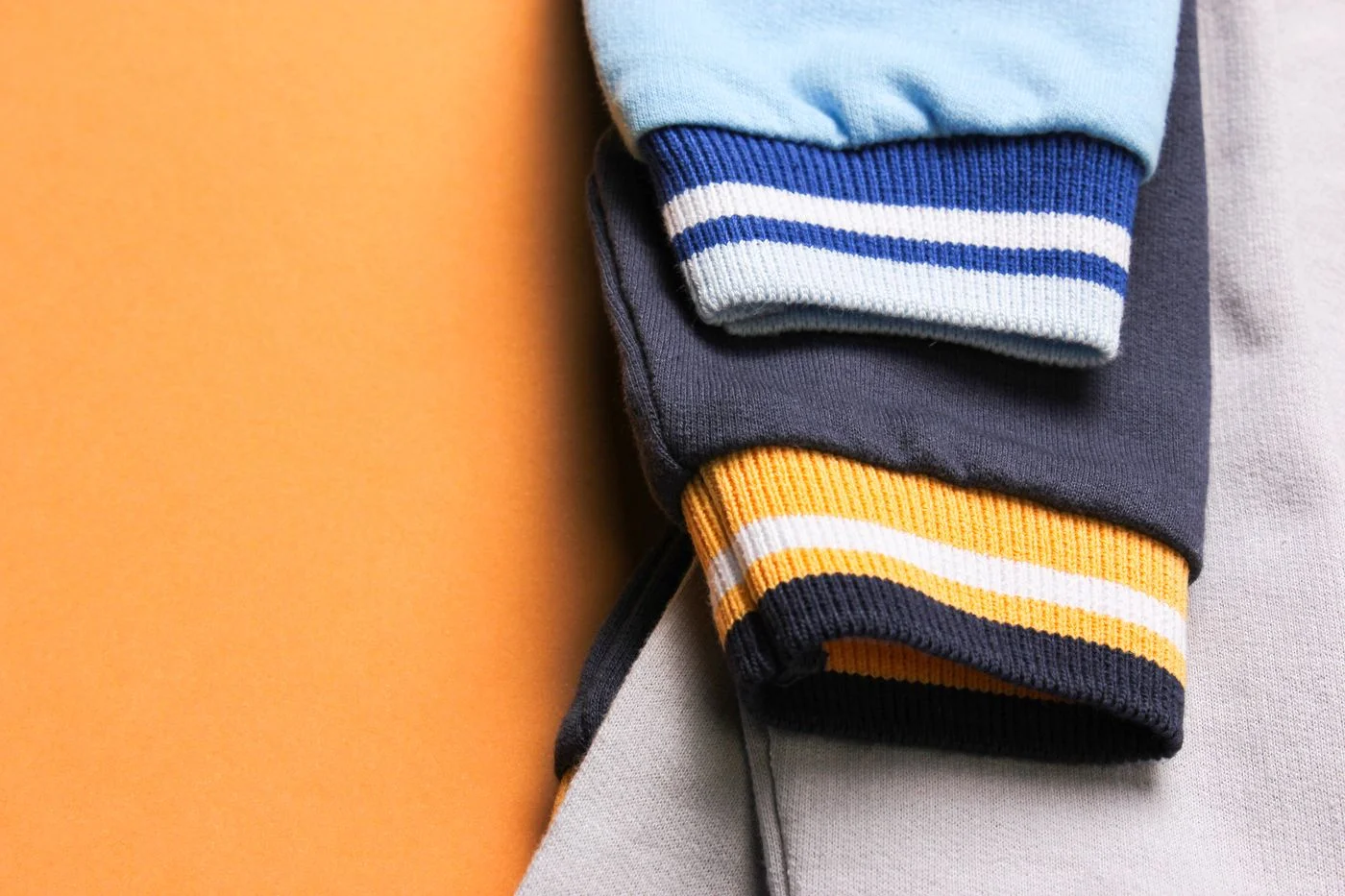
- Rib (1x1) collar & cuff: elastic, recovers well, the classic stretch-and-snap polo finish.
- Flat-knit (self-fabric) collar: a structured, tailored look often striped or tipped; firmer and flatter.
- We supply both, knitted to suit the body weight so the collar does not out-muscle or under-support the shirt.
Color-matched via lab-dip
- Dyed to the body: collar, cuff and placket trims are lab-dipped to the same shade as the piqué body.
- Tipping & stripes: contrast tipping lines and engineered stripes are matched to your reference.
- One supplier: because the trims are dyed in the same dyehouse, the match is controlled, not hoped for.
Not sure where to start? Tell us the target polo — climate, price point and whether it carries an embroidered logo — and we will propose the GSM, yarn and collar/cuff system, then prove the whole set on a sample before any bulk commitment.
Why RT TekstilKnitting, dyeing and finishing under one roof.
Integrated production means the whole chain — from knitting the yarn through dyeing and finishing — sits in one set of hands. For a polo that matters twice over: color consistency across body, collar and cuff (lab-dip approval, then bulk that matches it) and delivery confidence (no dependence on outside sub-suppliers for the trims). Our in-house color laboratory works to a zero color-deviation target, and with 45 years of manufacturing behind it the fabric is repeatable order after order.
Request the color card, start with a sample.
Share your target weight, yarn and shade; we will prepare a piqué sample with matching collar and cuff, and quote at container scale.
Piqué (Lacoste), answered.
Piqué is a weft knit with a raised honeycomb / waffle texture — a regular grid of small cells that makes it breathable and dimensionally stable. It is the classic polo-shirt fabric. "Lacoste" is the common trade name for the same construction, after the brand that popularised the cotton piqué polo; in sourcing the two terms mean the same thing.
Piqué, in almost every case. Its honeycomb structure breathes better, holds more body and keeps a collar and placket standing, while single jersey is flatter, softer and more fluid — ideal for t-shirts but prone to relaxing and edge-curl in a polo. Choose piqué for a structured, smart-casual polo and single jersey for a soft tee.
By use: 180–200 g/m² for lightweight summer and fashion polos, 200–220 g/m² as the all-round retail workhorse, and 220–240 g/m² for structured corporate and uniform polos that carry an embroidered logo. If you are unsure, tell us the program and we will recommend a weight.
Combed yarn reads cleaner, feels softer and wears longer — the choice for premium and branded polos. Carded (ring) yarn keeps a fuller, natural cotton hand at a friendlier cost, well suited to high-volume corporate and promotional programs. We knit both; tell us the price point and feel and we will match the yarn.
Yes — it is a favourite for embroidery. The denser honeycomb supports a chest logo with less puckering than thin jersey (we still advise a cut-away backing). For print, the texture is visible, so it favours solid marks and bold artwork; cotton piqué takes reactive or quality screen print, and polyester-blend piqué suits sublimation.
Yes. We knit rib (1x1) and flat-knit self-fabric collars and cuffs, and dye them to the same shade as the body via lab-dip — including contrast tipping and engineered stripes. Because the trims are dyed in our own dyehouse, the color match is controlled rather than left to a sub-supplier.
We work at container scale. The process starts with a sample — body plus matching collar and cuff; once the shade and weight are approved, the quote, lead time and production plan are confirmed through our central channel. With 4–5x ready capacity, we plan timing around your program.