Interlock (Kaşkorse) Fabric
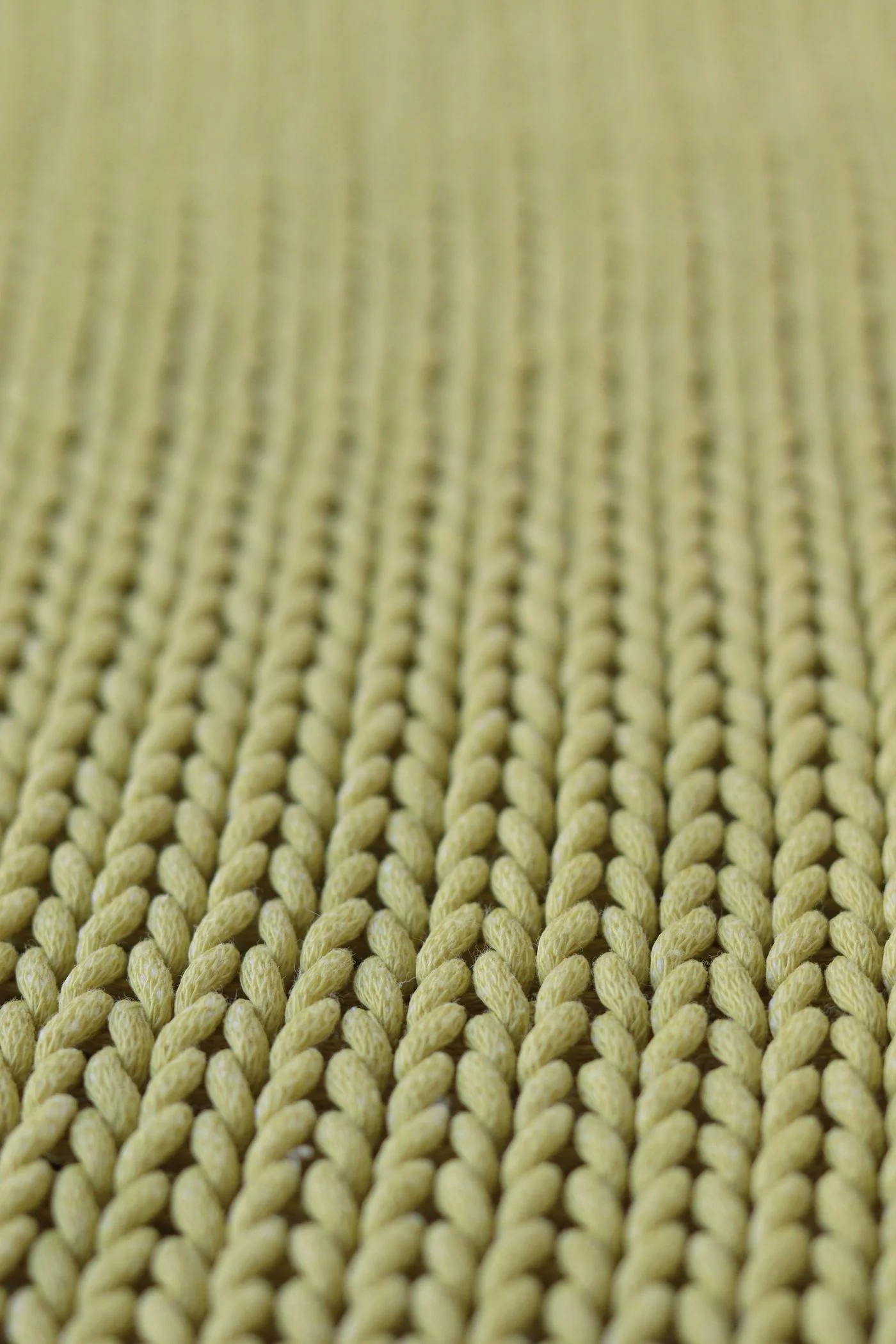
A dense, double-knit fabric with a smooth, almost velvet-like surface — what the mill calls kaşkorse and what English-speaking buyers search for as interlock. Knitted on twin needle beds, both faces look the same: flat, fine and clean, with no visible reverse. We supply it from 200 to 300 g/m² in cotton and cotton/polyester. At RT Tekstil we knit, dye and finish it under one roof — so the weight, hand and shade you target are exactly what comes off the line.
See your shade on real fabric.
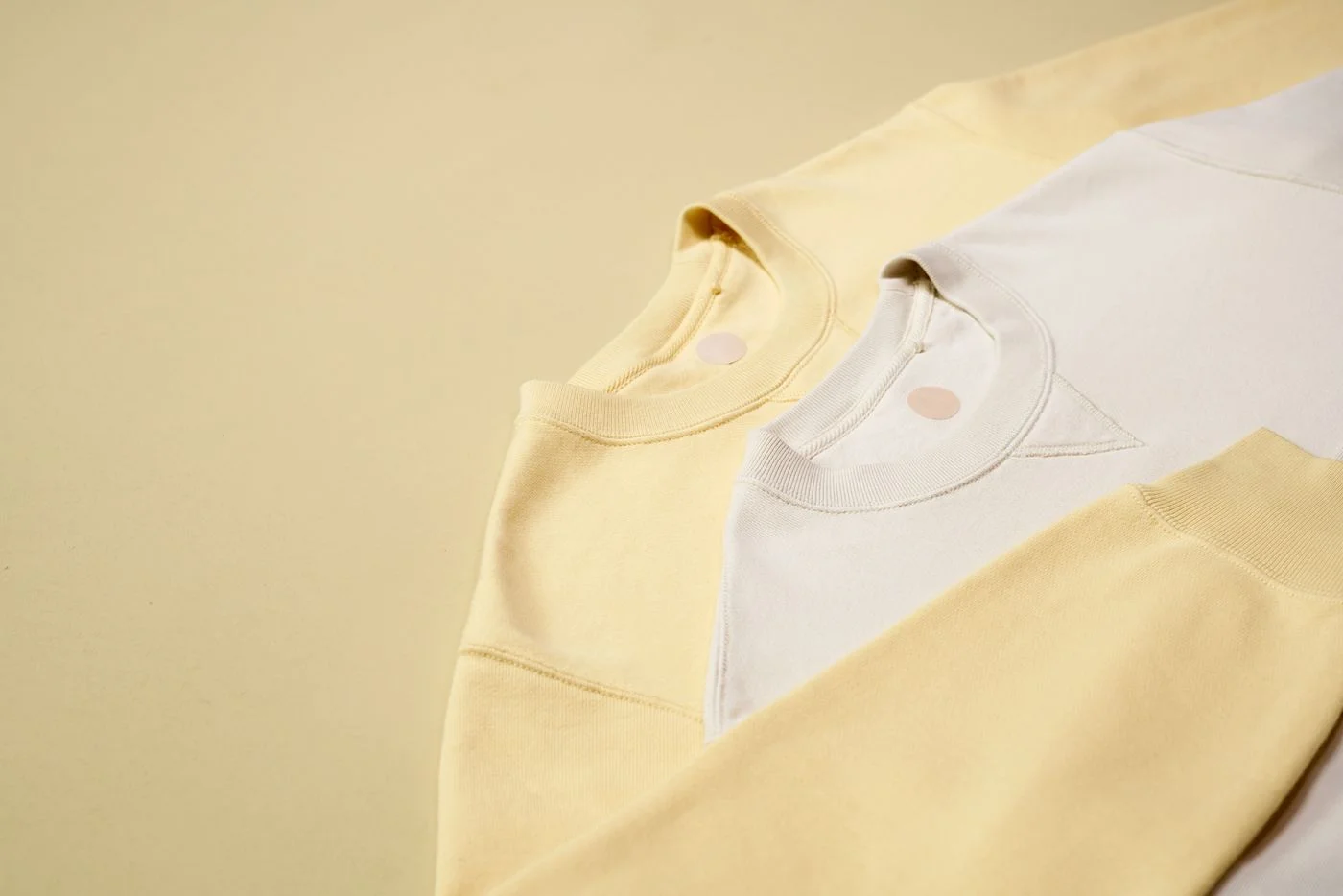
Interlock is dyed in our own dyehouse with reactive dyes on cotton and disperse dyes on the polyester blend. The dense, smooth surface of kaşkorse holds color with real depth — flat shades look saturated and uniform, which is exactly why designers reach for it on dark dresses and premium tops. With lab-dip approval and a zero color-deviation target, the bulk run comes off the line in the same tone you signed off. The card below shows the structure of our standard palette — every shade is photographed on the actual fabric at order stage.
Note: on-screen tones only show the range; the binding color reference is given via Pantone and lab-dip. Any custom shade is matched with a dedicated lab-dip.
Interlock, kaşkorse and why both faces match.
Interlock is a double-knit structure: it is knitted on two opposed sets of needles (twin needle beds) so that two interlocking rows of loops are formed at once and locked into each other. The practical result is a fabric that is double-faced in construction but identical on both sides — there is no "right" and "wrong" face, just two smooth, fine, flat surfaces. In Turkish mills this knit is called kaşkorse; in English-language sourcing the same fabric is bought as interlock, so the two names point to one cloth.
That twin-bed construction is what gives interlock its character: it is denser, more stable and more opaque than a single-faced knit, with a fuller hand and a smooth, almost velvet-like surface. Because the loops lock front-to-back, the fabric lies flat and does not curl at the cut edge, which makes it clean to cut, sew and finish. The look reads premium — structured without being stiff — which is why it lands on dresses, premium sweatshirts and tops, structured outerwear and kidswear.
Interlock vs single jersey vs fleece
Buyers often weigh interlock against single jersey or fleece, so it helps to place it. Against single jersey (a single-faced knit), interlock is denser, more dimensionally stable, more opaque and reversible, and it does not curl — single jersey is lighter and more fluid but shows a distinct knit face and reverse. Against fleece (a sweat fabric with a brushed or looped inner face for warmth and bulk), interlock is smooth on both sides with no pile: it gives structure and a refined surface rather than insulation. In short, single jersey is the light tee base, fleece is the warm sweat base, and interlock is the dense, smooth, premium-hand knit in between.
Interlock's dense double-knit construction and clean two-sided appearance make it a premium partner to the lighter weight of single jersey fine-gauge fabric in garment ranges that span multiple layering levels. When warmth is the priority, interlock works alongside two-thread fleece sweat fabric as an inner or outer layer in bonded or reversible constructions. Trims and bands cut from rib knit stretch-trim fabric provide the elastic recovery needed at interlock garment openings without distorting the stable body fabric. For broader context, our complete guide to knit fabric types and uses pairs well with the full knitted-fabrics portfolio overview.
For buyers · StructureWhat makes interlock/kaşkorse different: the dense double-plate structure.
The whole identity of interlock comes from how it is built. A single-jersey machine has one needle bed; an interlock machine has two needle beds set face to face, with the needles of one bed sitting exactly between the needles of the other. As the fabric forms, the two beds knit two interlocking jersey layers in the same course and lock them together. That single fact explains almost everything buyers notice about the cloth.
Why it is stable & flat
- Locks front-to-back: the two loop systems hold each other, so the fabric does not curl at raw edges and lies flat for clean cutting.
- Dimensionally stable: the locked structure resists distortion, holding shape better than a single-faced knit.
- Moderate, controlled stretch: it gives mostly across the width with good recovery, not the high stretch of a rib.
Why it looks & feels premium
- Reversible: both faces are smooth and identical — no reverse to hide, useful for unlined and open-construction garments.
- Opaque & full: two locked layers block light and give body, so it does not show through.
- Velvet-like surface: the fine, dense face reads soft and smooth, closer to a brushed touch than a flat jersey.
The lever to plan around is the weight–density relationship. Interlock sits in the 200–300 g/m² band, and within it the trade-off is clear: lighter interlock (around 200–230) keeps the smooth hand while staying easy to drape for tops and dresses; heavier interlock (around 260–300) builds more structure and opacity for outerwear-leaning pieces and substantial dresses. Yarn count and finishing fine-tune the surface on top of that. Tell us the garment and we will set the GSM, yarn and finish, then prove it on a sample.
Technical dataSpec summary.
| Property | Value / Range | Note |
|---|---|---|
| Weight | 200–300 g/m² | 200–230 lighter, fluid · 240–260 all-round · 260–300 structured |
| Composition | Cotton · cotton/polyester | Recipe set by end use; poly adds stability and easy care |
| Knit | Interlock (dense double-knit) | Twin needle beds; both faces smooth and identical |
| Width | Tubular & open width | Open width typically ~180 cm; per requirement |
| Stretch | Moderate across width, good recovery | More stable than rib; elastane added on request |
| Shrinkage | Controlled | Minimised with compact yarn + compactive finishing |
| Color fastness | OEKO-TEX® · lab-dip | Integrated dyehouse, zero color-deviation target |
What interlock becomes.
The gallery below maps the end-use range of interlock (kaşkorse). Production images will be filled with real garments made from this fabric (no stock photography).
 Real
Real Real
Real Real
Real Real
RealVelvet-look premium knit: where interlock beats single jersey and fleece.
Interlock earns its place when a garment needs the smoothness of a jersey but more body, more opacity and a cleaner, more premium surface than single jersey can give — without the bulk and warmth of fleece. The comparison below puts the three knits side by side on the qualities buyers actually decide on.
| Property | Interlock (kaşkorse) | Single jersey | Two-thread fleece |
|---|---|---|---|
| Construction | Double-knit, twin beds | Single-faced knit | Sweat knit, brushed/looped inner |
| Faces | Both smooth, identical (reversible) | Distinct face & reverse | Smooth face, pile inner |
| Weight | 200–300 g/m² | 120–220 g/m² | 220–280 g/m² |
| Opacity | High — opaque, full | Lower — can show through | High |
| Drape | Structured but fluid | Light, fluid | Heavier, casual |
| Edge behaviour | Lies flat, no curl | Tends to curl at cut edge | Lies flat |
| Best for | Premium tops, dresses, structured pieces | T-shirts, light tops | Sweatshirts, hoodies |
Drape & opacity for dresses and premium tops
- The dense, locked structure gives structure without heaviness — pieces hold their line and stay opaque, so dark dresses and fitted tops do not show through the way single jersey can.
- Because both faces are clean, interlock suits unlined and reversible construction where a jersey reverse would look unfinished.
Color depth, print & embroidery
- Color depth: the smooth, dense surface reads shades with more saturation and evenness — combined with lab-dip control, deep tones look rich and consistent.
- Print & embroidery: the flat, stable face is a clean ground for placement print and digital print, and the firm structure supports embroidery with less puckering than a light, curling jersey.
Where interlock is maybe not the right call: if you need the lightest possible summer tee, single jersey is the better base; if you need warmth and a brushed inner for hoodies, two-thread or three-thread fleece will serve better. Interlock is the answer when the brief is "smooth, dense, opaque and premium."
Why RT TekstilKnitting, dyeing and finishing under one roof.
Integrated production means the whole chain — from knitting the yarn through dyeing and finishing — sits in one set of hands. That delivers two things buyers care about: color consistency (lab-dip approval, then bulk that matches it) and delivery confidence (no dependence on outside sub-suppliers). Our in-house color laboratory works to a zero color-deviation target, which matters most on a dense surface like interlock where deep shades have to read evenly. With 45 years of manufacturing behind it, the fabric is repeatable order after order.
Request the color card, start with a sample.
Share your target weight, composition and shade; we will prepare an interlock (kaşkorse) sample and quote at container scale.
Interlock (kaşkorse), answered.
Interlock is a dense double-knit fabric made on two opposed needle beds, so two interlocking loop systems are knitted at once and locked together. The result is a smooth, full, opaque cloth that is identical on both faces. Kaşkorse is the Turkish mill name for the same knit that English-speaking buyers search for as interlock.
Single jersey is a single-faced knit: light, fluid, with a distinct face and reverse, and it tends to curl at the cut edge. Interlock is a double-knit: denser, heavier (200–300 g/m²), more dimensionally stable, more opaque, reversible and flat-lying. Use single jersey for light tees, interlock for premium tops, dresses and structured pieces.
Yes. Because the two loop systems lock front-to-back, both faces are smooth and identical — there is no "right" or "wrong" side. That makes interlock a good choice for unlined and reversible garments where a jersey reverse would look unfinished.
By end use within the 200–300 g/m² band: around 200–230 for lighter, more fluid tops and dresses; 240–260 as an all-round structured weight; and 260–300 for substantial dresses and structured, outerwear-leaning pieces. Tell us the garment and we will recommend a weight.
Pilling is mainly a function of yarn and finishing rather than the knit itself. The dense, smooth interlock surface and a combed/compact cotton yarn keep loose fibres down, and correct finishing reduces pilling further. Cotton/polyester blends can be specified for extra surface durability and easy care.
100% cotton gives the softest, most natural hand and the deepest reactive-dye shades — ideal for premium tops and dresses. Cotton/polyester adds dimensional stability, easy care and extra surface durability, and takes disperse dyeing for the polyester component. We set the recipe to your end use and prove it on a sample.
We work at container scale. The process starts with a sample; once the shade and weight are approved, the quote, lead time and production plan are confirmed through our central channel. With 4–5x ready capacity, we plan timing around your program.