Scuba Fabric
A double-knit built to hold its shape. Scuba is a fine, dense double-knit with a smooth, almost matte face and a slightly spongy, structured hand — the look that took its name from neoprene wetsuits, but lighter and with no foam core. It stands up to clean lines, sharp seams and sculptural cuts, which is why it became the go-to for structured dresses, skirts and unlined jackets. We knit, dye and finish it under one roof in 250–350 g/m², polyester/spandex, so the body and shade you target are the ones we build to.
See your shade on real fabric.
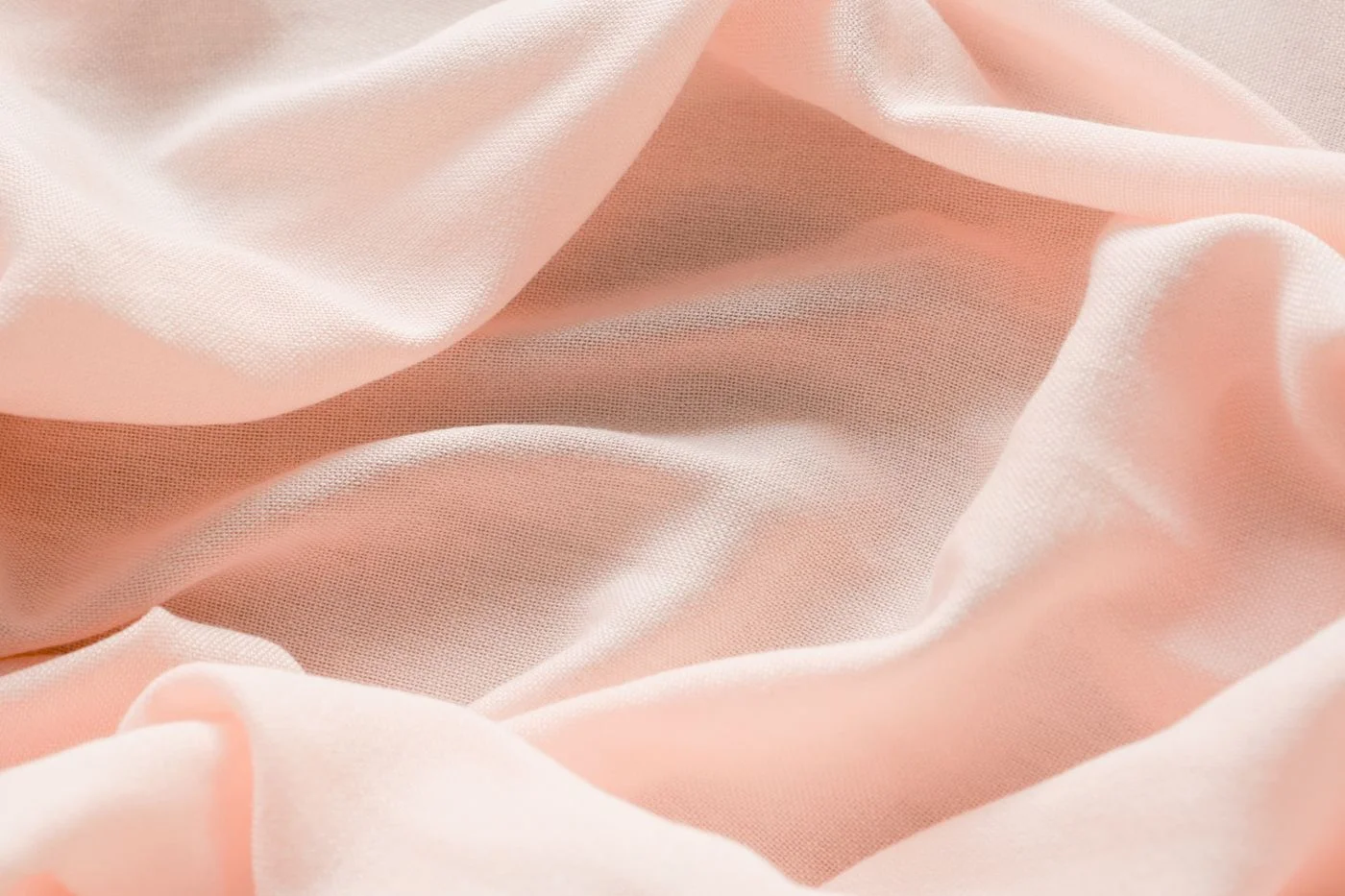
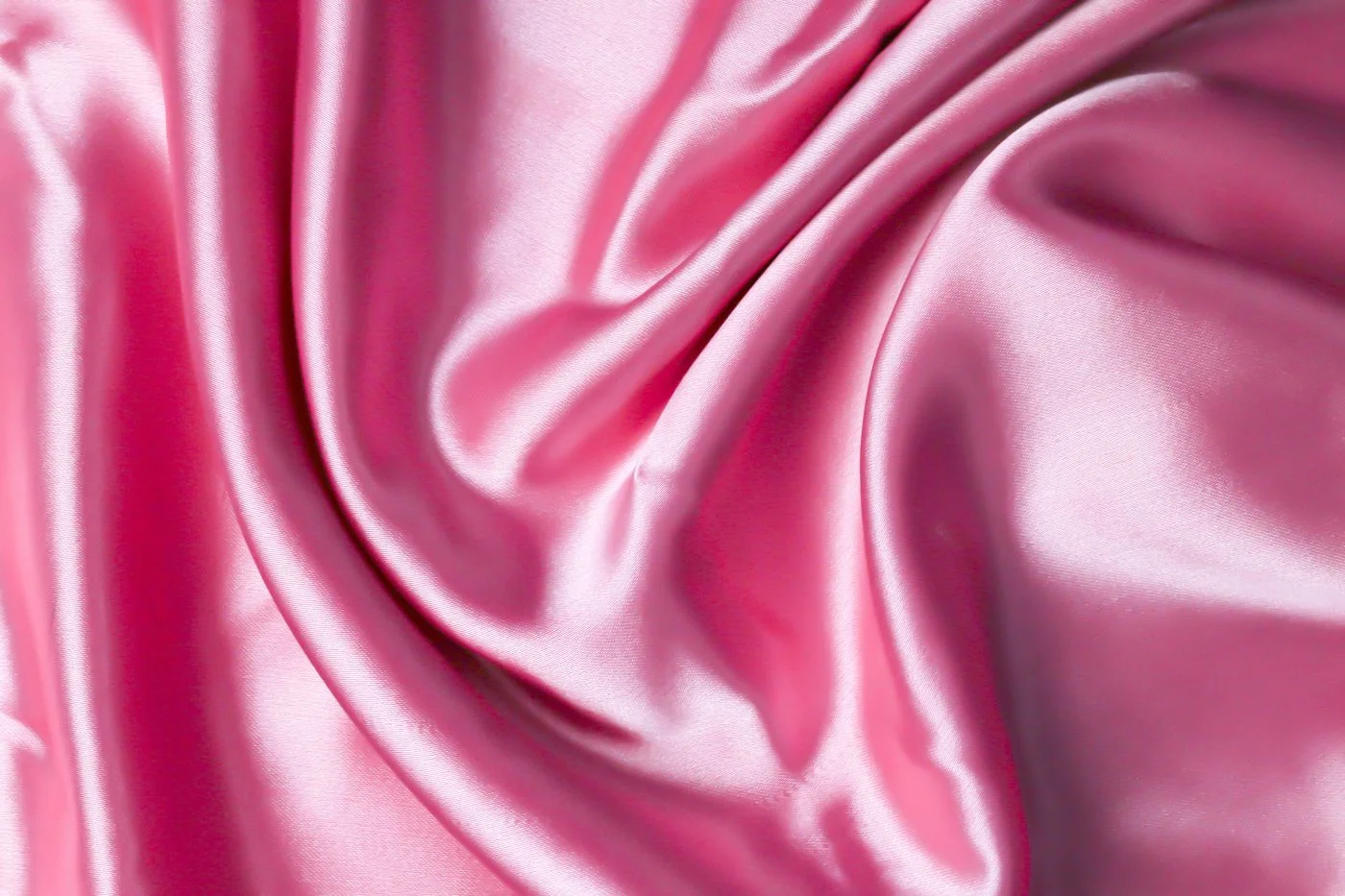
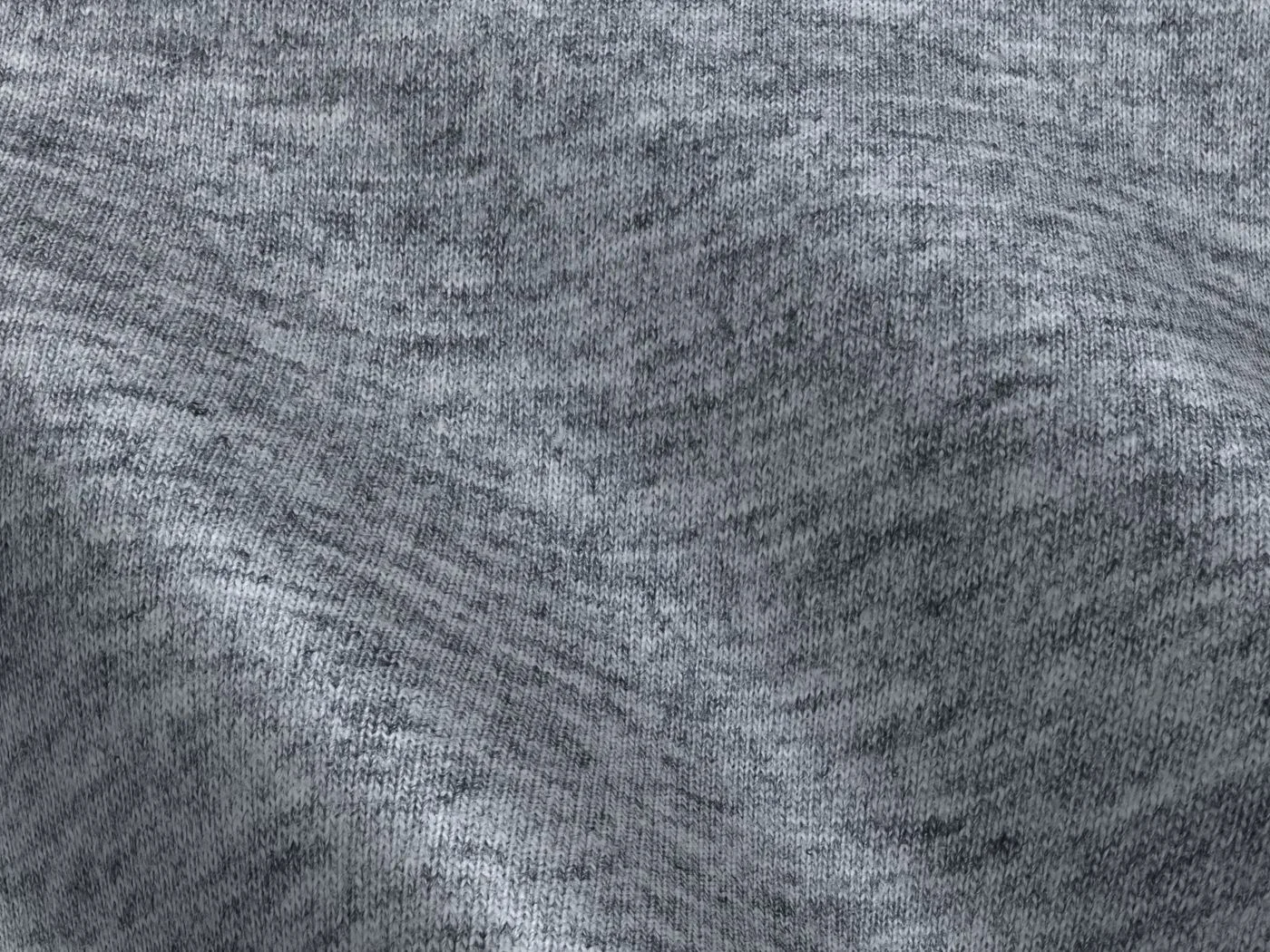
Scuba is dyed in our own dyehouse with disperse dyes on the polyester base, then heat-set so the structure stays stable through cut and sew. With lab-dip approval and a zero color-deviation target, the bulk run comes off the line in the same tone you signed off — important on the solid, smooth face scuba is bought for, where any shade drift shows. The card below shows the structure of our standard palette; every shade is photographed on the actual fabric at order stage.
Note: on-screen tones only show the range; the binding color reference is given via Pantone and lab-dip. Any custom shade is matched with a dedicated lab-dip.
A smooth-faced double-knit with a spongy body.
Scuba is a double-knit: it is built on two sets of needles so the loops interlock from both sides, producing a fabric with two clean faces and almost no curl at the edges. What sets it apart from a flat interlock is the finish — scuba is knitted dense and slightly compressed, giving it a fine, smooth, matte face and a soft, spongy hand with real thickness for its weight. That sponginess is purely the knit structure and the polyester/spandex yarns; there is no laminate and no separate layer inside.
The practical effect is body. Scuba does not collapse against the figure the way single jersey does — it stands a little away from it, which is exactly what gives a scuba dress its sculptural, slightly architectural line. It still stretches and recovers thanks to the spandex, so it is comfortable to wear and easy to fit, but it always returns to shape rather than bagging out at knees and elbows.
Why scuba is not neoprene
The name causes a lot of confusion, so it is worth being precise. True neoprene is a foam rubber sheet, usually laminated with a thin knit on one or both faces — that is what a wetsuit is made of, and it is heavy, dense and barely breathable. Scuba knit is a single, foam-free fabric that only borrows the look: the smooth surface and the firm, padded hand. There is no rubber core, so scuba is far lighter, more flexible, more breathable and dramatically easier to cut, sew and drape into garments. When fashion talks about "scuba," it almost always means this knit, not the diving material.
How it differs from single jersey and interlock
Against single jersey, the gap is large: single jersey is a thin, single-faced knit that drapes soft and clings, with edges that curl when cut. Scuba is thicker, double-faced, holds its form and lies flat. Against interlock — also a double-knit — scuba is the firmer, more compact cousin: interlock is smooth and stable but soft and drapey, while scuba is finished denser and spongier specifically to stand up and hold a structured silhouette.
Scuba's smooth, stable face and excellent shape retention make it a natural companion to its fibre-specific variants: cotton scuba natural-hand fabric suits comfort-focused bodywear, while polyester scuba performance knit fabric is preferred where moisture management and dimensional stability are paramount. For collections that call for a reversible or self-lined finish, doubleface reversible knit fabric extends the same clean-face aesthetic into a two-sided construction that eliminates the need for separate lining. For broader context, our complete guide to knit fabric types and uses pairs well with the full knitted-fabrics portfolio overview.
Construction · Scuba vs neopreneScuba knit vs neoprene: structure without the foam.
Designers reach for scuba when they want the look and body of neoprene without its weight, stiffness and cost. The two materials sit in completely different families — one is a knitted textile, the other a foam composite — and that difference decides how a garment wears, breathes and sews. The table sets them side by side.
| Property | Scuba knit | True neoprene |
|---|---|---|
| Construction | Single-layer double-knit; structure comes from a dense, fine knit | Foam rubber core laminated to a knit face (a sandwich) |
| Foam core | None — foam-free | Yes — closed-cell rubber foam |
| Weight | Light to medium, 250–350 g/m² | Heavy and bulky for the same look |
| Drape | Stands up but still flows; sculptural, wearable | Stiff, board-like; holds extreme shapes |
| Stretch & recovery | Comfortable 2-way stretch from spandex, springs back | Stretches but feels rubbery and dense |
| Breathability | Moderate — a knit, so air can pass | Very low — foam seals warmth and moisture in |
| Sewing / cutting | Cuts clean, sews on standard machines, edges do not fray | Needs specialist seams; bulky under the needle |
| Typical use | Dresses, skirts, jackets, structured fashion | Wetsuits, sportswear padding, technical gear |
Why fashion chooses scuba knit
- It tailors like a textile. Clean seams, hems and facings on ordinary equipment — no foam-specific construction.
- It is wearable all day. Light enough and breathable enough for a dress or blazer, not just a single statement piece.
- It prints and dyes cleanly. The smooth polyester face takes solid shades and sublimation print without the texture fighting the design.
The comfort trade-off
- Warmth: the dense knit insulates more than a flat jersey, so it shines in trans-seasonal and cooler-weather pieces.
- Breathability: being polyester-rich, it breathes less than cotton knits — a reason it suits structured fashion more than high-sweat activewear.
- Hand: the spongy body that gives shape also reads as "substantial," which buyers associate with quality and value.
Spec summary.
| Property | Value / Range | Note |
|---|---|---|
| Weight | 250–350 g/m² | 250 lighter drape · 300 all-round · 350 most structured |
| Composition | Polyester / spandex | Spandex set for comfort stretch and recovery |
| Knit | Scuba double-knit | Two-bed interlocked knit, finished dense and spongy |
| Width | Open width | Slit flat for free cutting layout; per requirement |
| Stretch / recovery | 2-way comfort stretch, strong recovery | Holds shape; returns rather than bagging out |
| Shrinkage | Low and controlled | Polyester base heat-set for dimensional stability |
| Color fastness | OEKO-TEX® · lab-dip | Integrated dyehouse, zero color-deviation target |
What scuba becomes.
The gallery below maps the end-use range of scuba. Production images will be filled with real garments made from this fabric (no stock photography).
 Real
Real Real
Real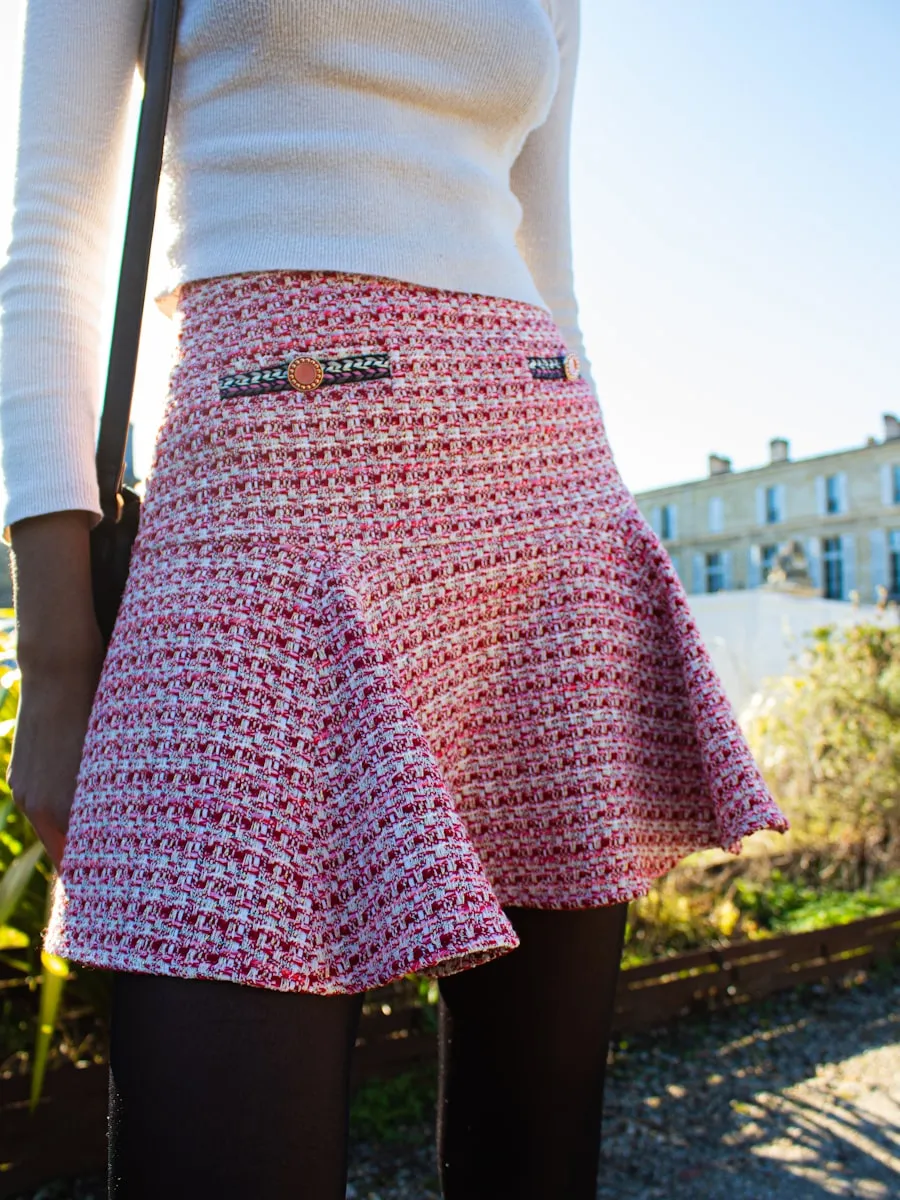 Real
Real Real
RealDesigning with a stand-up body: where scuba wins.
Most knits are chosen for how they fall. Scuba is chosen for how it stands. That single property — a body firm enough to hold a line away from the figure — is what makes it the right call for a specific family of garments, and the wrong call for others. Knowing where it wins keeps a collection sharp.
Where scuba wins
- Sculptural dresses: fit-and-flare, fluted and full skirts that need volume to stay out, not fall flat.
- Peplums & ruffles: the body holds a peplum proud of the waist instead of letting it droop.
- A-line and pencil skirts: a smooth, structured face with a clean, supported hemline.
- Unlined jackets & blazers: enough body to skip a lining while keeping shape at the shoulder and lapel.
Why it tailors so cleanly
- Stable, non-curling edges: the double-knit lies flat, so seams, facings and necklines stay crisp.
- Clean cut edges: it can be bound, bonded or simply turned without fraying — good for minimal, modern finishes.
- Smooth face for print: the flat polyester surface is an ideal ground for all-over sublimation and placement prints.
- Maybe not for: soft, fluid, body-skimming drapes — choose a jersey or a lighter knit instead.
Choosing 250 vs 300 vs 350 GSM by the structure you need
Within scuba, weight is the dial that sets how much the fabric stands. The right number depends entirely on the silhouette: more structure wants more grams, while softer movement wants fewer. This is the first decision to lock before sampling.
| Weight | Structure / hand | Best for |
|---|---|---|
| 250 g/m² | Lightest body; still holds shape but moves and drapes more | Softer dresses, tops, gathered styles, warmer-climate pieces |
| 300 g/m² | The all-round middle — clear structure with comfortable wear | Most dresses and skirts; the safe default if you are unsure |
| 350 g/m² | Firmest, most sculptural body; stands strongly away from the figure | Architectural dresses, peplums, unlined jackets and blazers |
Not sure which weight your silhouette needs? Tell us the garment and the line you are after, and we will recommend a GSM and spandex level, then prove the body and the hand on a sample before any bulk commitment.
Why RT TekstilKnitting, dyeing and finishing under one roof.
Integrated production means the whole chain — from knitting the yarn through dyeing and finishing — sits in one set of hands. For scuba that matters twice over: the finishing controls the structure (how dense and spongy the body comes out), and the in-house dyehouse controls the shade, so the smooth face you sign off in lab-dip is the shade the bulk arrives in. The result is color consistency and delivery confidence with no dependence on outside sub-suppliers — repeatable order after order, backed by 45 years of manufacturing.
Request the color card, start with a sample.
Share your target weight, structure and shade; we will prepare a scuba sample and quote at container scale.
Scuba fabric, answered.
Scuba is a fine, dense double-knit with a smooth, slightly matte face and a soft, spongy, structured hand. Usually polyester/spandex at 250–350 g/m², it holds its shape and stands a little away from the body, which makes it a favourite for structured dresses, skirts and jackets. The name comes from its neoprene-like look, but it is a knit, not a foam.
No. True neoprene is a foam rubber sheet laminated with knit, as used in wetsuits — heavy and barely breathable. Scuba knit is a single, foam-free fabric that only borrows the smooth surface and firm hand. It is far lighter, more breathable and much easier to cut and sew, which is why fashion uses scuba knit rather than real neoprene.
Structured but comfortable. The dense double-knit gives it stand-up body so garments hold their line, while the spandex provides easy 2-way stretch with strong recovery — it returns to shape rather than bagging out at knees and elbows. Heavier weights stand more firmly; lighter weights move a little more.
Lock weight to the silhouette: 250 g/m² for softer dresses, tops and gathered styles; 300 g/m² as the all-round default for most dresses and skirts; 350 g/m² for the most sculptural pieces, peplums and unlined jackets. If you are unsure, tell us the garment and we will recommend a weight.
Yes — it is one of scuba's strengths. The smooth, flat polyester face is an excellent ground for sublimation and placement print, with the texture staying out of the design's way. Solid shades are dyed in our integrated dyehouse with lab-dip approval.
Because the base is polyester and heat-set during finishing, scuba is dimensionally stable with low, controlled shrinkage, holds colour well and resists wrinkling. It is easy-care in wear and keeps its structure through normal laundering. Specific care labelling is set with the final recipe.
We work at container scale. The process starts with a sample; once the weight, structure and shade are approved, the quote, lead time and production plan are confirmed through our central channel. With 4–5x ready capacity, we plan timing around your program.