Doubleface Fabric
A heavy, richly draping knit built from two separate usable faces bound into one cloth — what outerwear designers buy as doubleface, double-face or reversible double cloth. The two faces can carry a different color or texture, so a coat can be finished with no lining and a clean bound edge. We supply it from 280 to 400 g/m² in cotton/polyester blends. At RT Tekstil we knit, dye and finish it under one roof — so the weight, drape and shade you target on both faces are exactly what comes off the line.
See your shade on real fabric — on both faces.
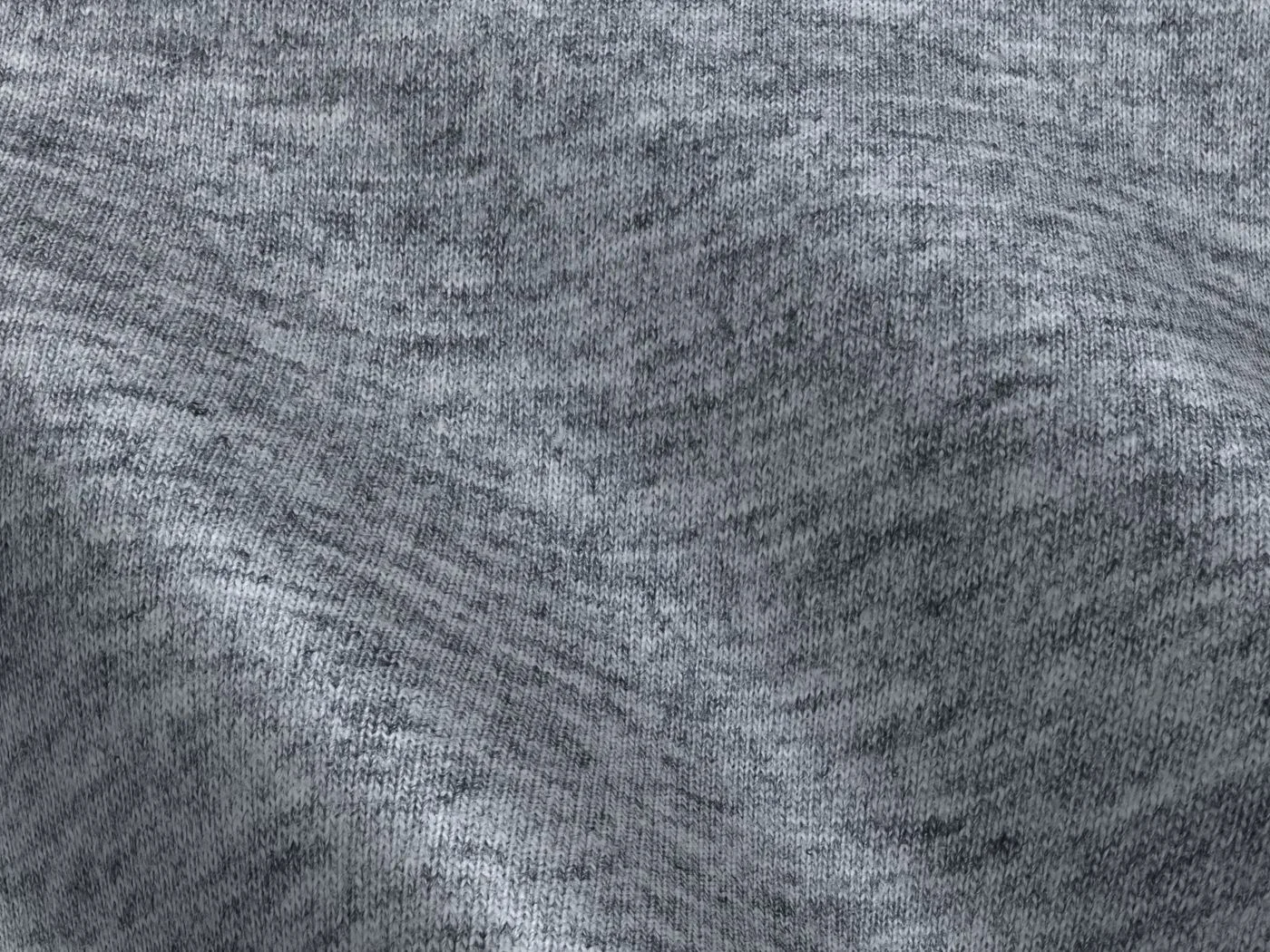
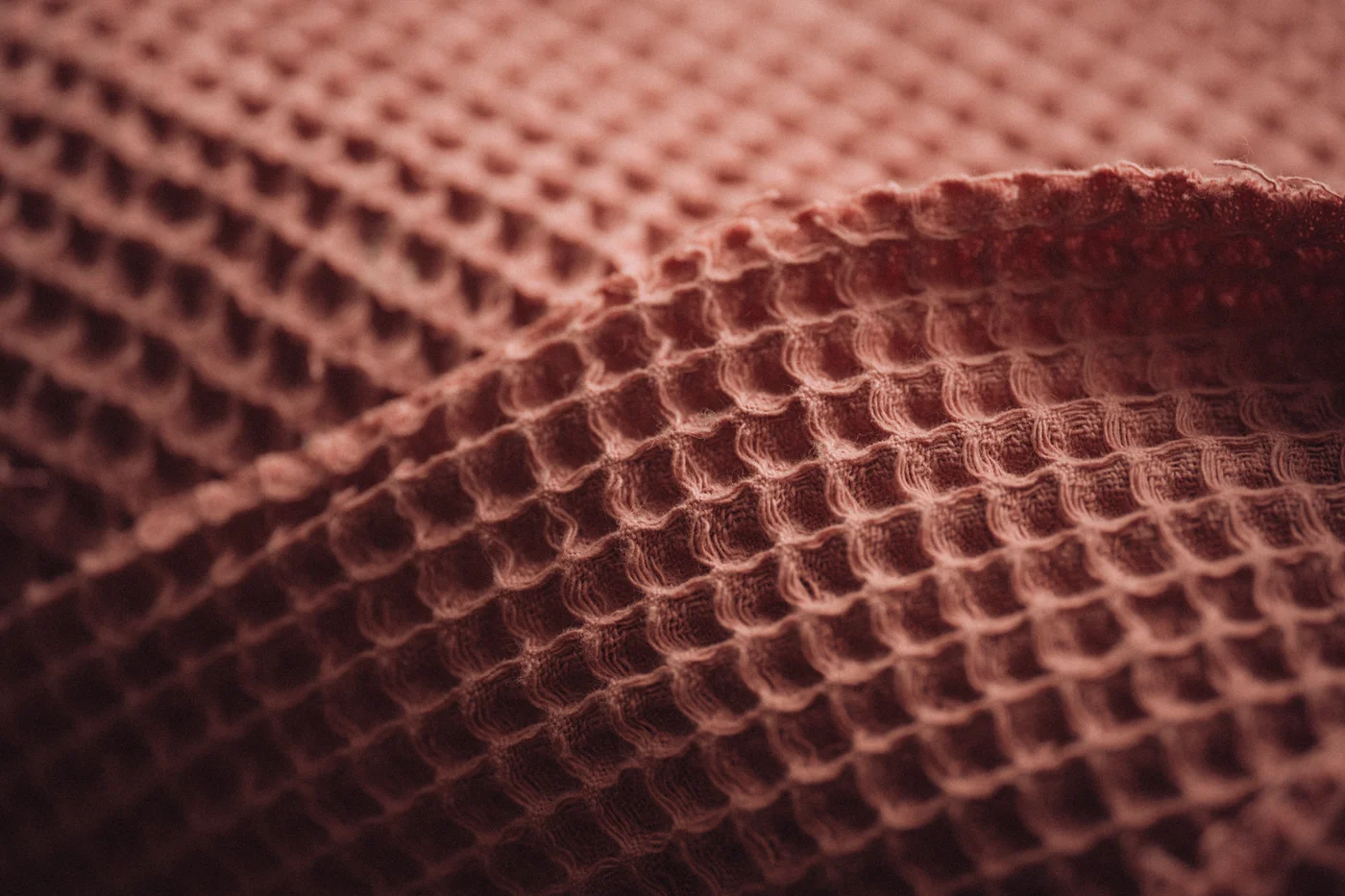
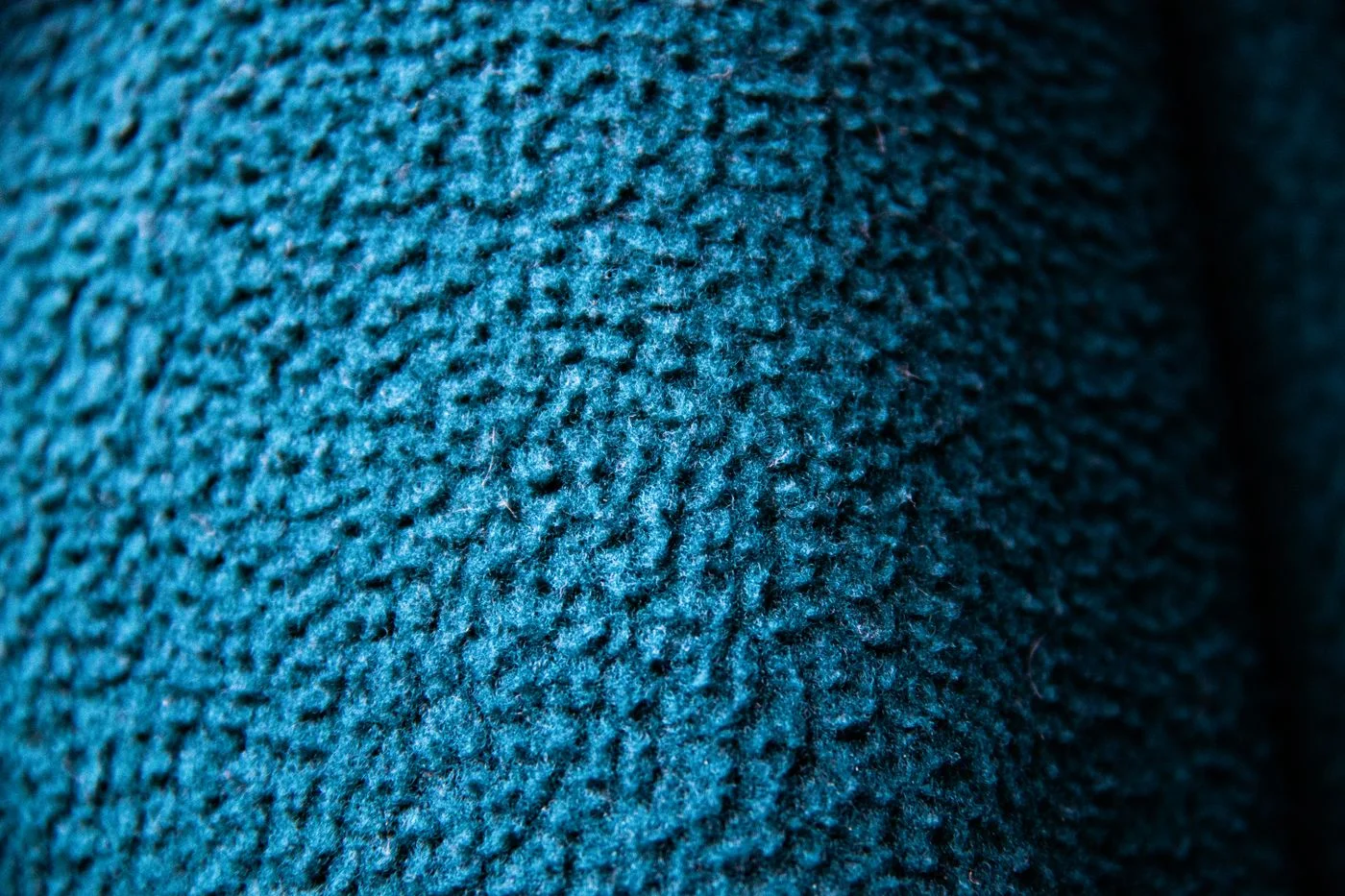
Doubleface is dyed in our own dyehouse, with the recipe set to bring both faces to the same depth on a heavy cloth where shade has to read evenly across thick, draping panels. Because doubleface is two bound faces, it can also be built to pair two shades — one color outside, a contrast inside — and each face is approved separately. With lab-dip approval and a zero color-deviation target, the bulk run comes off the line in the tones you signed off. The card below shows the structure of our standard palette — every shade is photographed on the actual fabric at order stage.
Note: on-screen tones only show the range; the binding color reference is given via Pantone and lab-dip. For a contrast-face design, any two shades are matched together with dedicated lab-dips for each side.
Two cloths knitted as one.
Doubleface (also written double-face or sold as double cloth) is not a single knit with two looks — it is genuinely two separate fabric faces knitted at the same time and joined by binding threads that run between them. Each face is a complete, usable surface in its own right; the binding yarns hold the two together into one heavy cloth without quilting, gluing or bonding a lining. That construction is the whole point: it produces a thick, warm, richly draping fabric with a finished look on both sides.
Because the two faces are knitted independently and only tied together by the binding, they do not have to match. One face can be a different color from the other; it can also carry a different texture — for example a flat, clean outer face against a softer, fuller inner face. The cloth still behaves as one panel when you cut and sew it, but it reads as two. This is what lets designers build reversible coats, contrast-faced capes and unlined jackets where the inside is meant to be seen.
Doubleface vs single jersey vs interlock
It helps to place doubleface against the knits buyers know. A single jersey is one set of loops with a clear face and a different reverse — light and fluid, but with only one usable side. An interlock is a double-knit too, but its two layers are locked into each other so tightly that they read as one smooth cloth identical on both sides — there is no second, separate face to design with. Doubleface goes further: its two faces are distinct cloths held a small distance apart by binding threads, which is why it is so much heavier (280–400 g/m²) and why each face can be its own color or texture. In short, single jersey gives one face, interlock gives one look on two identical sides, and doubleface gives two genuinely different usable faces in one fabric.
Doubleface fabric's reversible, self-finished construction eliminates lining and delivers a polished appearance on both sides — a quality that complements the firm hand of our scuba diving structured knit fabric for modern outerwear and coordinate sets. Softly structured collections can incorporate two-thread fleece brushed sweat fabric as a lighter-weight companion body fabric for transitional-season layering pieces. For garments requiring textured surface detail alongside the doubleface body, piqué lacoste breathable knit fabric offers a strong counterpoint in polo shirts, blazer panels, and casual suiting. For broader context, our complete guide to knit fabric types and uses pairs well with the full knitted-fabrics portfolio overview.
For buyers · ConstructionTwo usable faces: how doubleface is built and where the second face earns its keep.
The identity of doubleface comes from the binding thread. Two faces are knitted at once, and a third yarn system ties them together — catching a loop on the outer face, crossing the gap, catching a loop on the inner face, and repeating. The density and pattern of that binding decide how firmly the two faces are locked, how thick the cloth sits, and how cleanly it can be split or finished at the edge. Get the binding right and you have a stable, heavy cloth that behaves as one piece; the two faces never separate in wear, yet each stays a real, usable surface.
How the two faces are joined
- Binding threads: a dedicated yarn system ties the two knitted faces together — no quilting, glue or bonded lining.
- Set apart, not locked in: unlike interlock, the faces are held a small distance apart, which builds loft, warmth and weight.
- One panel to cut: the bound cloth cuts and sews as a single piece, even though it reads as two faces.
Where the second face earns its keep
- Contrasting faces & colors: a different shade or texture inside lets a coat read two ways and adds value without extra material.
- No lining needed: the inner face is already finished, so jackets and capes can run unlined — lighter to make, cleaner inside.
- Reversible & bound-edge designs: a bound or bias-finished edge shows both faces, so the garment can be worn either way.
Edge finishing is where doubleface design lives or dies. Because there is no lining to hide a seam, the cut edge is part of the look: it is typically split, turned and bound, or finished with a bias strip, so both faces meet cleanly at hems, fronts and cuffs. That is also why sampling matters here more than on a single-faced knit — the binding density and the edge treatment have to be proven on real cloth before bulk. Tell us how the garment is built and which faces should show, and we set the construction and finish accordingly, then prove it on a sample.
Technical dataSpec summary.
| Property | Value / Range | Note |
|---|---|---|
| Weight | 280–400 g/m² | 280–320 jackets · 320–360 all-round · 360–400 coats & capes |
| Composition | Cotton/polyester | Recipe set by end use; poly adds stability and easy care |
| Construction | Double-face (two usable faces) | Two faces knitted at once, joined by binding threads |
| Width | Open width | Typically ~150–180 cm; per requirement |
| Drape / structure | Heavy, rich drape with body | Structured warmth; falls in clean, weighty folds |
| Shrinkage | Controlled | Minimised with compact yarn + compactive finishing |
| Color fastness | OEKO-TEX® · lab-dip | Integrated dyehouse, zero color-deviation target; both faces matched |
What doubleface becomes.
The gallery below maps the end-use range of doubleface. Production images will be filled with real garments made from this fabric (no stock photography).
 Real
Real Real
Real Real
Real Real
RealHeavyweight drape for outerwear: 280 vs 400 GSM and structure.
Doubleface lives in the 280–400 g/m² band, and inside that band the weight you choose changes the garment more than the color does. Lighter doubleface keeps movement and drape for jackets and structured dresses; heavier doubleface builds body, warmth and a sculptural fall for coats and capes. The trade-off is always drape versus body: more weight gives richer, weightier folds and more warmth, but less fluidity. The table below maps the band to the garments buyers actually cut.
| Weight | Character | Drape vs body | Best for |
|---|---|---|---|
| 280–320 g/m² | Lighter doubleface, still two full faces | More drape, easier movement | Jackets, structured dresses, transitional outerwear |
| 320–360 g/m² | All-round outerwear weight | Balanced — body with a clean fall | Everyday coats, overshirts, capes |
| 360–400 g/m² | Heavy, sculptural cloth | More body and warmth, weighty folds | Winter coats, statement capes, structured outerwear |
Choosing GSM for coats, jackets & dresses
- Coats & capes: reach for 360–400 — the weight gives warmth and a sculptural drape that holds a collar and a clean front line.
- Jackets & overshirts: 300–340 keeps structure without bulk, so the garment moves and layers.
- Structured dresses: 280–320 gives body and a defined silhouette while still falling softly.
Warmth, structure & color matching
- Warmth from loft: the two faces held apart by binding trap air, so doubleface insulates without a separate lining.
- Structure without stiffness: heavier weights hold shape and stand a collar, yet still drape rather than board.
- Color matching across both faces: on a heavy cloth, even a single shade must read the same on each face — lab-dip control keeps both sides on tone, and matches the second shade for contrast-face designs.
Where doubleface is maybe not the right call: if you need a light, fluid summer fabric it is far too heavy, and a single jersey or crinkle knit will serve better; if you want a smooth, dense knit that is identical on both sides rather than two distinct faces, interlock is the cleaner answer. Doubleface is the choice when the brief is "heavy, two-faced, richly draping outerwear." Tell us the garment and we will set the GSM, recipe and binding, then prove it on a sample.
Why RT TekstilKnitting, dyeing and finishing under one roof.
Integrated production means the whole chain — from knitting the yarn through dyeing and finishing — sits in one set of hands. That delivers two things buyers care about: color consistency (lab-dip approval, then bulk that matches it) and delivery confidence (no dependence on outside sub-suppliers). On doubleface this matters twice over, because both faces have to come off the line on tone — and where two shades are paired, each has to match its own target. Our in-house color laboratory works to a zero color-deviation target, and with 45 years of manufacturing behind it, the fabric is repeatable order after order.
Request the color card, start with a sample.
Share your target weight, composition and shades — including a contrast inner face if you want one; we will prepare a doubleface sample and quote at container scale.
Doubleface, answered.
Doubleface (also called double-face or double cloth) is a heavy knit made from two separate usable faces knitted at the same time and joined by binding threads that run between them. Each face is a complete, finished surface, and the binding holds the two into one thick, richly draping cloth — without quilting, glue or a bonded lining. It runs 280–400 g/m² in cotton/polyester and is used for jackets, coats, capes and premium outerwear.
Yes. Both faces are complete, finished surfaces, so doubleface can be made fully reversible. With a bound or bias-finished edge that shows both sides, a coat or cape can be worn either way. Even when it is not worn reversibly, the second face means a jacket can run unlined with a clean, finished inside.
Yes. Because the two faces are knitted independently and only tied together by the binding, they do not have to match — one face can be a different color, and it can also carry a different texture (for example a flat outer face against a softer inner). Each face is matched with its own lab-dip, so a contrast-faced design comes off the line on tone on both sides.
By end use within the 280–400 g/m² band: around 280–320 for jackets and structured dresses where you want drape and movement; 320–360 as an all-round outerwear weight; and 360–400 for winter coats and capes that need warmth and a sculptural, weighty fall. Tell us the garment and we will recommend a weight.
Usually not. The inner face is already a finished surface, so jackets, coats and capes can be built unlined — which is lighter to make and gives a clean inside. The cut edge is finished as part of the design, typically split, turned and bound or finished with a bias strip so both faces meet cleanly at hems, fronts and cuffs.
As a heavy cotton/polyester knit, doubleface is dimensionally stable and easy to care for; the polyester component adds stability and resists shrinkage, and compact yarn with compactive finishing keeps shrinkage controlled and low. We finish to your target tolerance and confirm it on the sample before bulk.
We work at container scale. The process starts with a sample — important on doubleface, where the binding and edge finish are proven on real cloth; once the weight and shades are approved, the quote, lead time and production plan are confirmed through our central channel. With 4–5x ready capacity, we plan timing around your program.