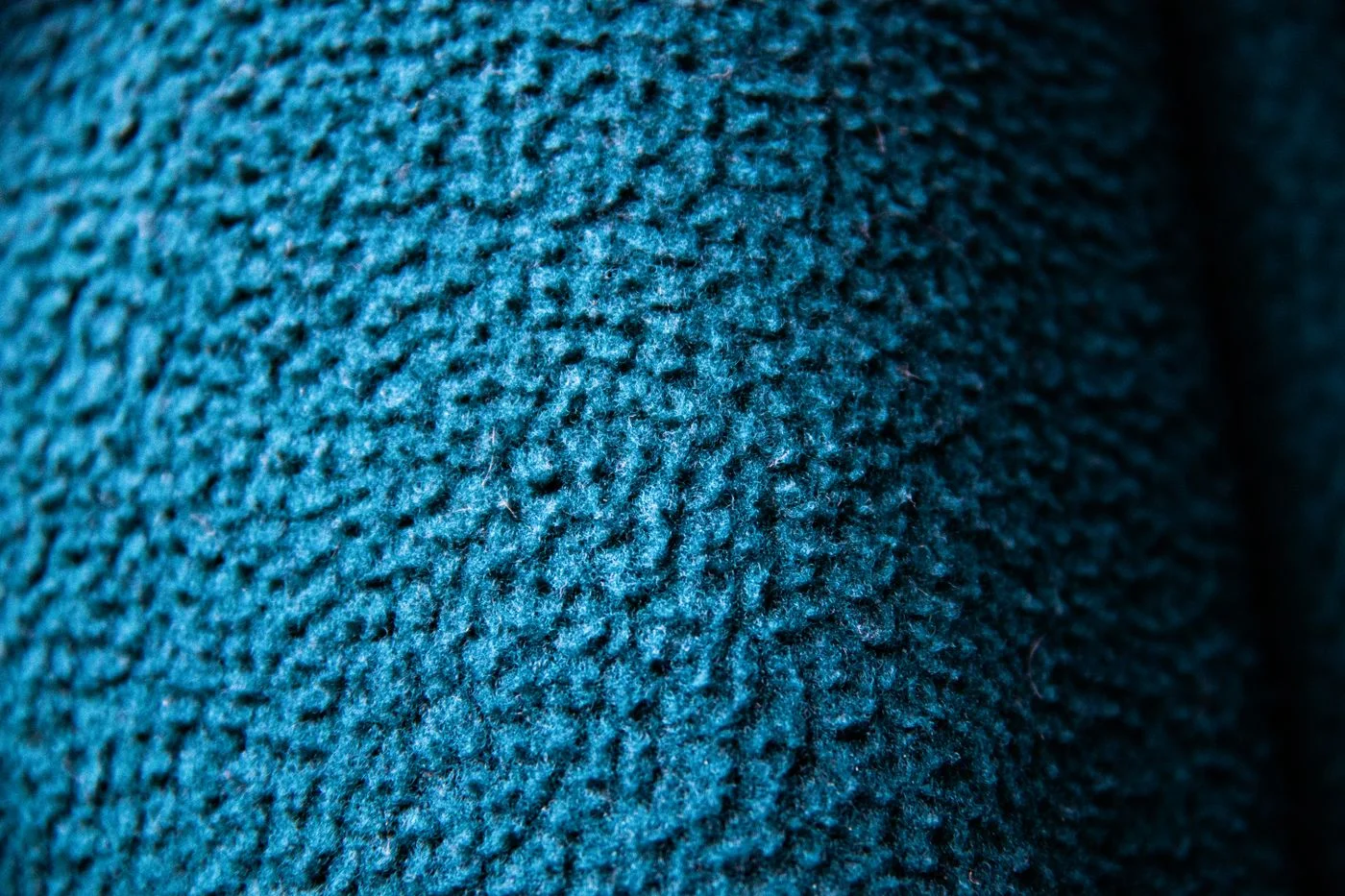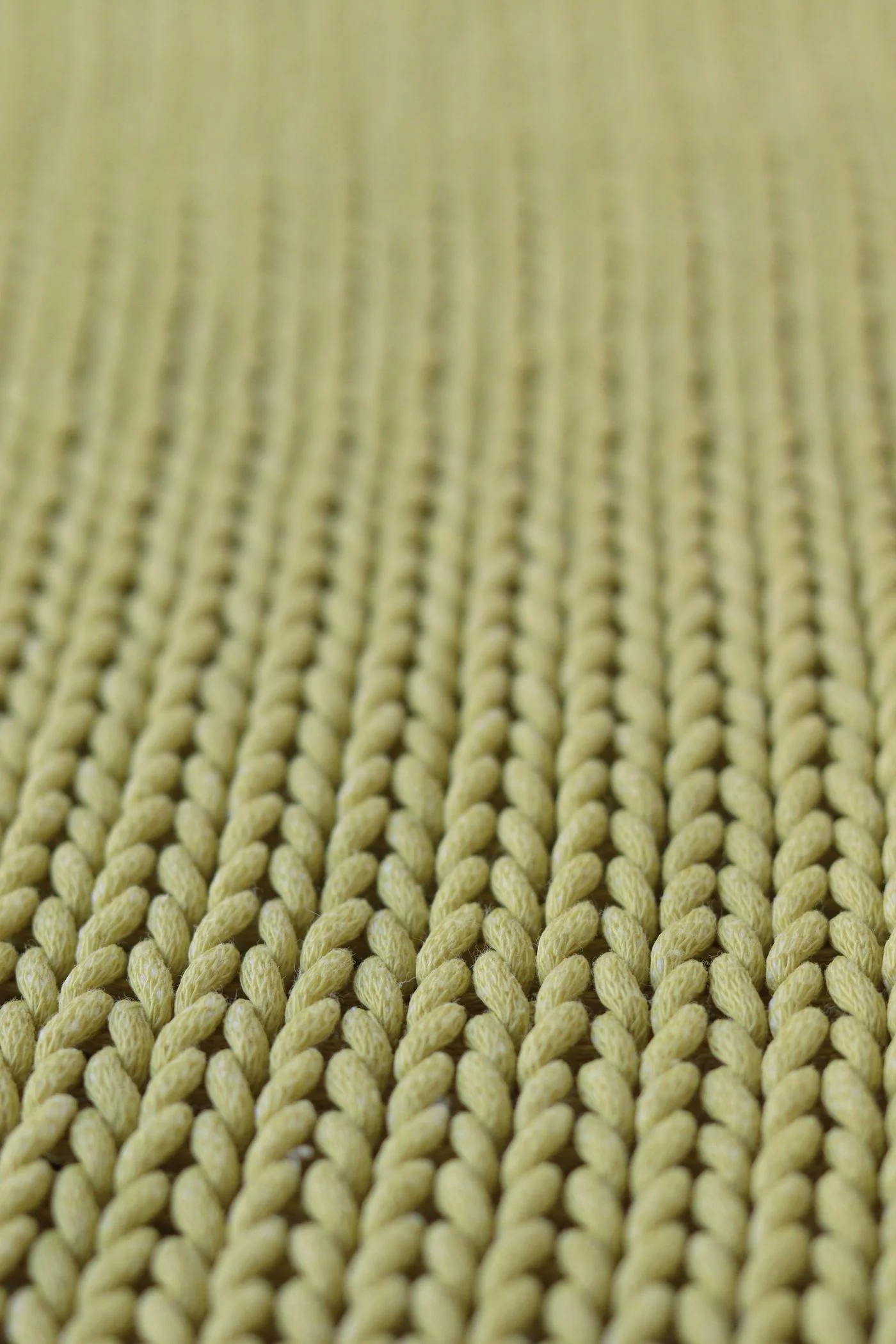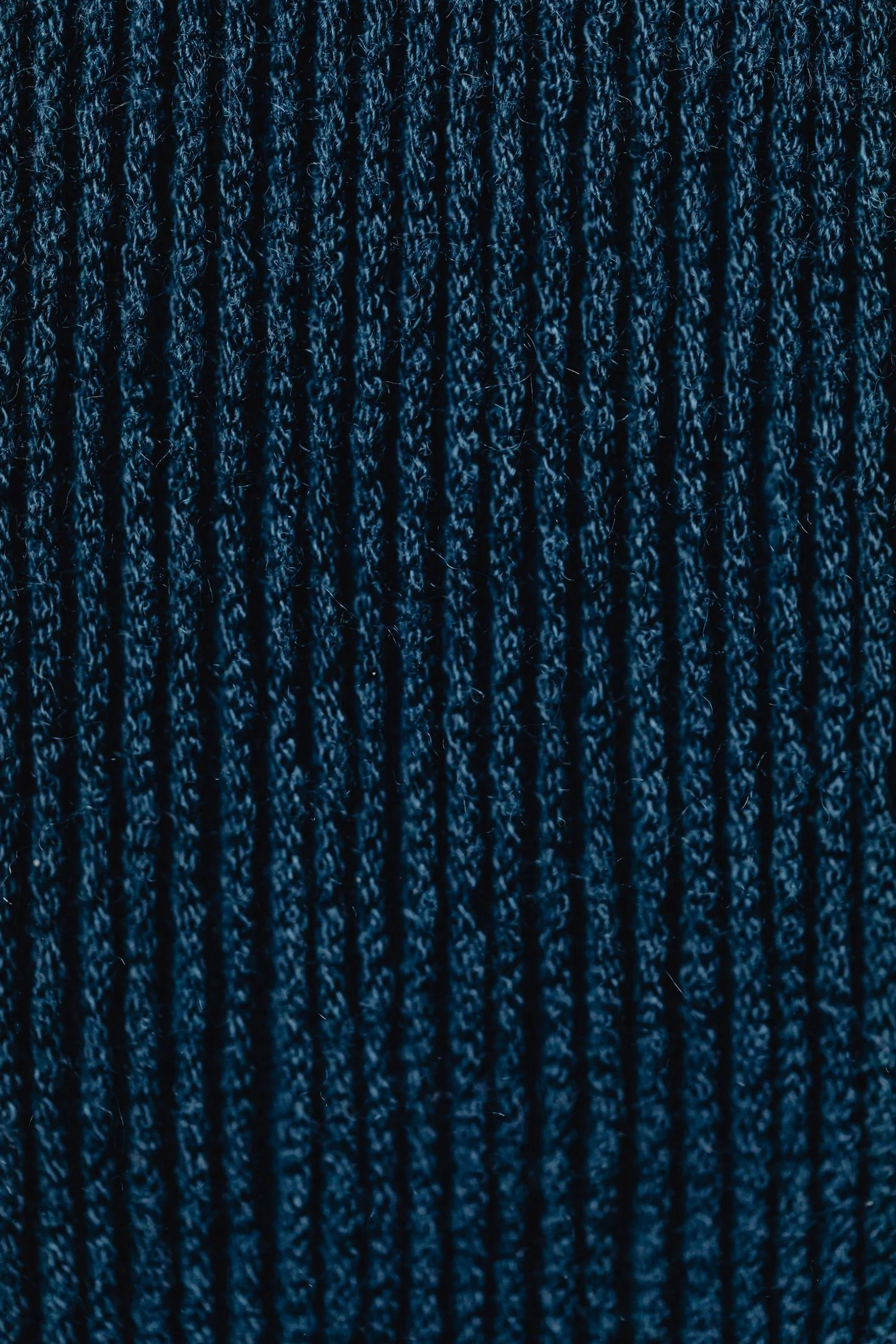
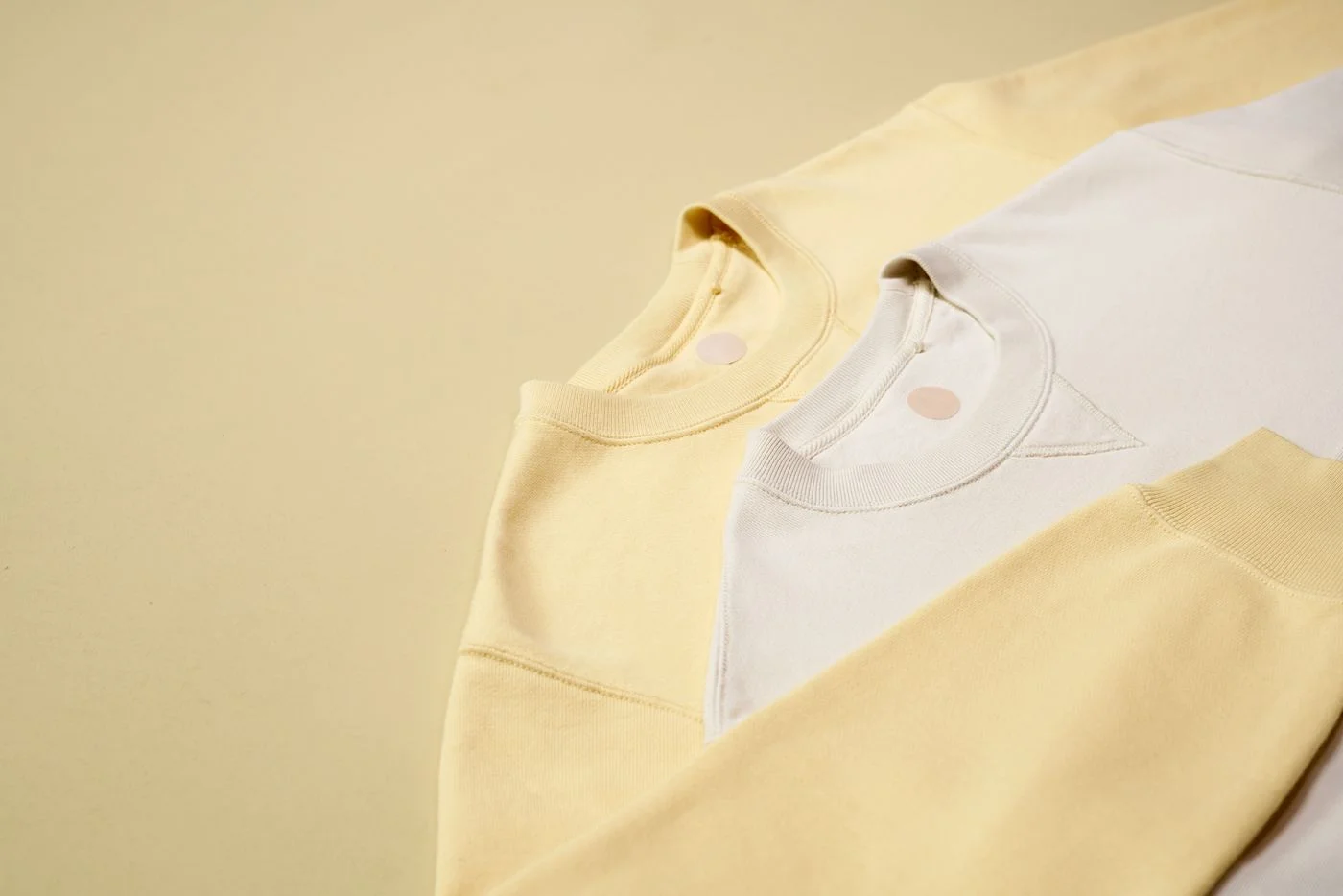
Two-Thread Fleece Fabric
The spring-and-summer sweatshirt base. Two-thread fleece is a loop-back sweat knit with a smooth, flat, unbrushed inner face — mid-weight at 220–280 g/m², soft against the skin and clean to print on. At RT Tekstil we knit, dye and finish it under one roof, in cotton or cotton/polyester, so we can hit your exact weight and color target without an outside step.
See your color on real fabric.
Two-thread fleece is dyed in our own integrated dyehouse with reactive and disperse classes, depending on the blend. Every shade starts as a lab-dip approval: we match your reference in the color lab, you sign off, and bulk runs to a zero color-deviation target — so the production lot reads the same as the swatch you approved. The card below shows the structure of our standard range; each tone is photographed on real fabric per order.
Note: on-screen tones show structure only; the binding color reference is given by Pantone or lab-dip. For any custom shade we run a dedicated lab-dip before bulk.
Two-thread fleece, in plain terms.
"Two-thread fleece" is a loop-back sweat knit: a ground yarn forms the smooth outer face while a second, looped yarn builds the inner face. In the two-thread construction that loop-back is left flat and unbrushed, so the inside stays smooth rather than fuzzy. The result is a mid-weight, soft-handed sweat fabric at 220–280 g/m² — the natural base for sweatshirts, crewnecks, light or seasonal hoodies, and lighter joggers.
English buyers mix up a few labels here, so it is worth being precise. First, the word "fleece" in this context is a knit construction, not polar fleece — there is no woven or anti-pill polyester pile involved; this is a circular-knit cotton sweat. Second, an unbrushed two-thread loop-back is what many brands call French terry style: same loop-back family, the loops simply left intact. Third, the step up is three-thread brushed fleece, where a third yarn is added and the inside is brushed into a soft nap — that is the heavier winter weight, not this one.
Two-thread vs three-thread, at a glance
The short version: two-thread = lighter, flatter inside, spring/summer; three-thread = heavier, brushed and fuzzy inside, autumn/winter. They share the loop-back logic but sit in different weight bands and serve different seasons. The full comparison — including drape and typical garments — is in the table below.
Two-thread fleece sits at the heart of sweatshirt production, and sourcing it alongside three-thread fleece brushed fabric gives buyers the flexibility to offer both lightweight and mid-weight options within a single collection. The smooth face of this construction pairs naturally with single jersey base-layer fabric for inner lining details, and rib knit cuffing fabric completes the classic sweat silhouette at waistbands, cuffs, and necklines. To evaluate your options further, see our single jersey, French terry and three-thread comparison or explore the knitted-fabrics collection overview.
For buyers · Weight & seasonTwo-thread vs three-thread fleece: which weight for which season.
Both fabrics are loop-back sweat knits, but the second decision — whether to leave the inner face flat or brush it, and how much weight to add — is what splits a spring range from a winter one. Use the table to map inner face, weight band, warmth and drape to the garment and season you are building for.
| Attribute | Two-thread fleece | Three-thread (brushed) fleece |
|---|---|---|
| Inner face | Flat loop-back, unbrushed — smooth inside | Brushed nap — soft, fuzzy inside |
| Weight band | 220–280 g/m² | 280–380 g/m² |
| Warmth | Light to mid — breathable | Mid to high — insulating |
| Drape & hand | Softer, more fluid; lighter on the body | Fuller, structured; more body and loft |
| Typical garments | Sweatshirts, crewnecks, light hoodies, lighter joggers | Winter hoodies, heavy crews, tracksuit bottoms |
| Season | Spring · summer · mild transitional | Autumn · winter |
Choose two-thread when…
- You are building a spring/summer or year-round sweat program and want a lighter hand.
- Print or embroidery clarity matters — the flat inside keeps the fabric stable and crisp.
- You want a clean inner face the wearer sees, with less bulk under seams.
Choose three-thread when…
- You need warmth and loft for autumn/winter hoodies and heavy crews.
- A brushed, cozy inner face is part of the product story.
- The garment should feel substantial and hold structure.
Spec summary.
| Property | Value / range | Note |
|---|---|---|
| Weight | 220–280 g/m² | 220–240 lighter sweatshirts · 240–280 fuller hand & light hoodies |
| Composition | Cotton · cotton/polyester | Blend chosen for hand, shrinkage control and print method |
| Knit / inner face | Two-thread loop-back · flat (unbrushed) | Smooth inside; French-terry-style construction |
| Width | Open width | Free cut layout for panels and prints |
| Stretch | Light mechanical give; minimal recovery | Stable base — rib trims add the working stretch at cuffs/hems |
| Shrinkage | Controlled | Compaction/finishing keeps it in tolerance; cotton/poly shrinks less than 100% cotton |
| Color fastness | OEKO-TEX® · lab-dip | Integrated dyehouse, zero color-deviation target |
What gets made from two-thread fleece.
The gallery below shows the end-use range. Production images will be filled with real garments made from this fabric — no stock photography is presented as a product shot.
 Real
Real Real
Real Real
Real Real
RealThe flat (unbrushed) loop-back: what it means for print, embroidery and hand.
Leaving the loop-back unbrushed is not a shortcut — it is a deliberate choice that changes how the fabric decorates, wears and breathes. Because the inside is never raised into a nap, the whole web stays denser and more dimensionally settled. That single difference is why so many spring ranges are built on a flat two-thread rather than a brushed three-thread.
Print & decoration
- Screen print: a flat, stable face holds fine line work and tight registration; less fiber movement means crisper edges.
- DTG: the smoother surface lets ink sit cleanly without a brushed pile lifting fibers into the print.
- Embroidery: the denser, unbrushed ground gives a stable base — stitches register evenly with fewer puckers when hooped.
Hand, pilling & breathability
- Pilling: no raised nap means fewer loose surface fibers, so the inside resists the fuzzing and pilling a brushed face can show.
- Breathability: without an insulating brushed layer, the fabric runs cooler and lighter — right for warmer-weather wear.
- Hand: smooth and clean against the skin rather than fluffy; a tidy inner face the wearer actually sees.
In practice, brands reach for the flat loop-back when the garment will carry decoration and be worn across milder seasons: the print reads sharper, the embroidery sits flatter, the fabric breathes, and the inside still looks finished after wash cycles. When the brief calls for warmth and a cozy nap instead, that is the moment to step up to three-thread brushed fleece.
Why RT TekstilKnitting, dyeing and finishing under one roof.
Integrated production means the fabric never leaves our control between yarn and finished roll: we knit it, dye it in our own dyehouse and finish it in-house. For a buyer that delivers two things — color consistency (lab-dip approval in our color lab, then a bulk run held to a zero color-deviation target) and delivery confidence (no dependence on an outside dyer or finisher in the middle of your order). With 45 years behind the operation and ready capacity several times current volume, we can absorb a container-scale program without slipping the color or the date.
Request the color card, start with a sample.
Share your target weight, blend and color; we will prepare a two-thread fleece sample and quote it at container scale.
Two-thread fleece, answered.
Both are loop-back sweat knits, but two-thread fleece is lighter (220–280 g/m²) with a flat, unbrushed inner face, while three-thread fleece adds a third yarn and is brushed into a soft nap, making it heavier (280–380 g/m²). Two-thread suits spring/summer sweatshirts and light hoodies; three-thread is the warmer autumn/winter weight.
No. The loop-back is left flat and unbrushed, so the inner face stays smooth rather than fuzzy. That is exactly what gives it cleaner print and embroidery, better breathability and stronger pilling resistance compared with a brushed fleece.
For spring and year-round sweatshirts, 220–240 g/m² gives a lighter, breathable hand; 240–280 g/m² reads fuller and works well for light or seasonal hoodies. Tell us the garment and we will recommend the weight and blend.
100% cotton gives the softest, most natural hand and takes reactive dye and prints well, but shrinks a little more. A cotton/polyester blend holds shape with lower shrinkage and added dimensional stability, and the polyester content opens up sublimation options. We set the blend to your shrinkage tolerance and decoration method.
Yes — it is one of its strengths. The flat, unbrushed face is dense and stable, so screen prints hold tight registration, DTG ink sits cleanly without a pile lifting fibers, and embroidery registers evenly with fewer puckers. It is a reliable base for decorated sweat programs.
Two-thread fleece is a stable base with little working stretch, so cuffs, collars and waistbands are made from a matching rib knit (typically 1x1 or 2x2 with elastane) for recovery and grip. We dye the rib in the same lab-dip batch so the trim matches the body shade.
We work at container scale, and every program starts with a sample. Once you approve the color and weight, order quantity, lead time and production planning are confirmed through our central channel — the process is sample-first rather than tied to a fixed minimum.