Single Jersey Fabric
The base knit behind almost every t-shirt. Made on a single-plate circular knitting machine, single jersey is light, breathable and fluid — single-faced, with a clean V-stitch front and a looped reverse. We supply it from 120 to 220 g/m², in 100% cotton, cotton/elastane and polyester. At RT Tekstil we knit, dye and finish it under one roof — so whatever GSM and shade you target, that is exactly what we knit to.
See your shade on real fabric.
Single jersey is dyed in our own dyehouse with reactive dyes on cotton and disperse dyes on polyester. With lab-dip approval and a zero color-deviation target, the bulk run comes off the line in the same tone as the shade you signed off. The card below shows the structure of our standard palette — every shade is photographed on the actual fabric at order stage.
Note: on-screen tones only show the range; the binding color reference is given via Pantone and lab-dip. Any custom shade is matched with a dedicated lab-dip.
The purest form of weft knitting.
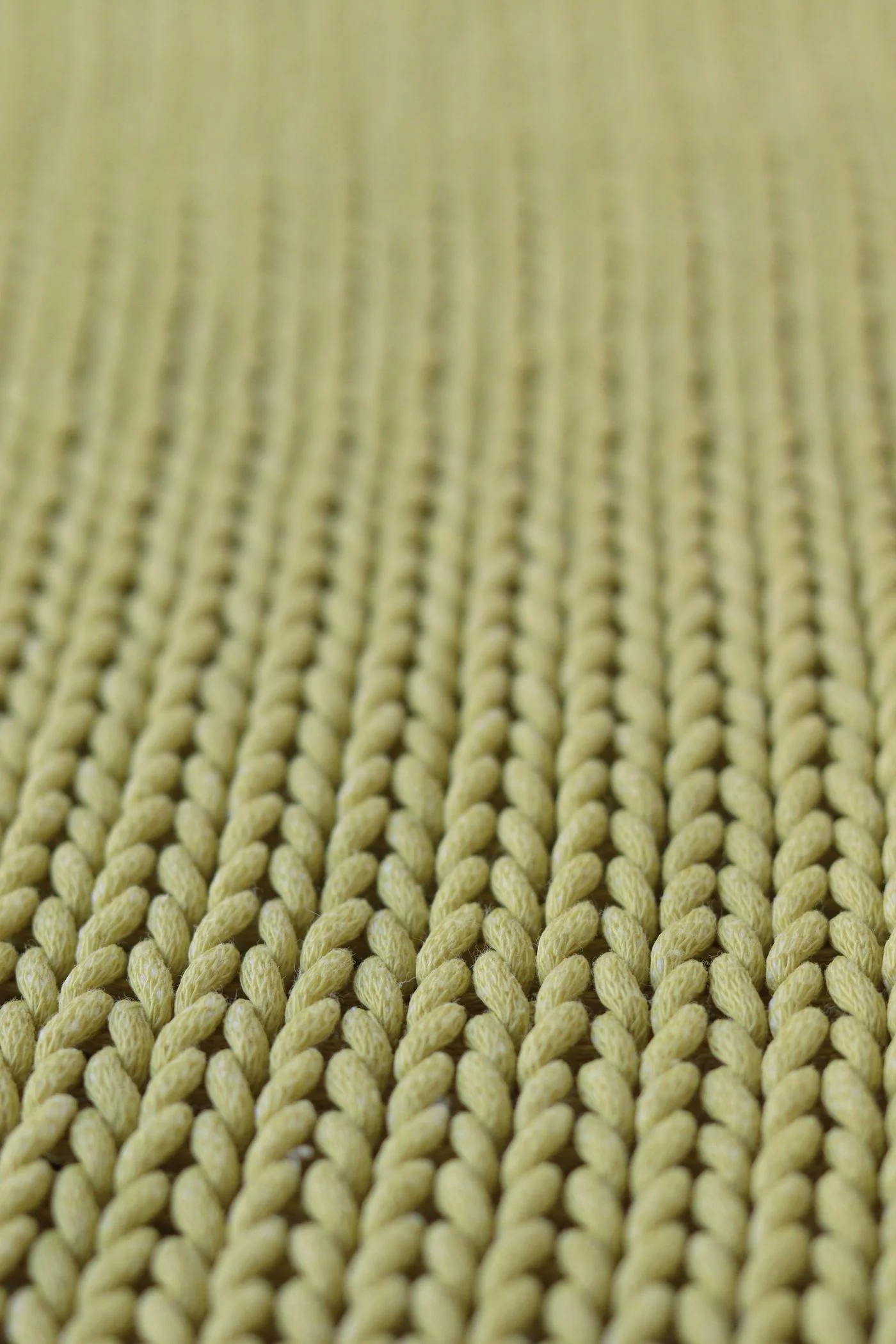
Single jersey is the most basic weft-knit structure: every loop is drawn through in one direction on a single set of needles (a single-plate circular machine). That construction makes the fabric single-faced — the knit face is a smooth column of V-shapes, while the reverse shows distinct horizontal loops. The result is light, breathable, quick to release moisture and fluid in drape — the default raw material for t-shirts, underwear, pyjamas, dresses and the baby and kids segment.
Compared with rib or interlock, single jersey stretches less but recovers evenly across both directions. Add elastane and it gains hold and shape retention — the usual choice for bodysuits, slim-fit tees and dresses. The end use is dialled in through three levers: weight (GSM), yarn count and finishing. One natural tendency to plan around is curling at raw cut edges, which is why single jersey garments are almost always hemmed or finished rather than left raw.
Single jersey vs combed cotton: two different things
This is the point English-speaking buyers most often confuse. Single jersey is a knit type — it describes how the fabric is constructed. Combed cotton (in some markets "penye") is a yarn quality — it describes how the yarn was spun. So "combed single jersey" simply means single jersey knitted from combed yarn. The very same knit can also be made from carded (ring) or open-end yarn, and that yarn choice is what moves the price, the hand and the durability — far more than the knit name alone.
Single jersey is a workhorse base fabric for T-shirts and casual tops; buyers often pair it with two-thread fleece sweat fabric when building out a coordinated activewear range. For necklines and sleeve finishes, rib knit stretch fabric offers the snug recovery that single jersey panels require, while interlock double-knit fabric provides a heavier, more stable alternative for outerwear bodies and structured layering pieces. To evaluate your options further, see our single jersey, French terry and three-thread comparison or explore the knitted-fabrics collection overview.
For buyers · Yarn & qualityYarn count & quality: the real driver of single jersey.
Two single jerseys can land at the same GSM and still feel like different fabrics. The reason is the yarn: its spinning method and its count. Single jersey is knitted anywhere from roughly 10/1 to 60/1, but in practice the market lives on 20/1, 30/1, 36/1 and the plied 30/2. As the count number rises the yarn gets finer, so the fabric reads lighter and the surface looks cleaner and more uniform.
| Yarn quality | Surface & hand | Durability | Typical positioning |
|---|---|---|---|
| Combed | Smooth, clean, faint sheen; soft hand with fewer protruding fibres | Highest — roughly 10–15% stronger than carded as short fibres are removed | Premium tees, branded apparel programs |
| Carded (ring) | Fuller, natural cotton hand with a touch more surface fuzz | High | Everyday tees, high-volume basics |
| Open-end (OE) | More matte and bulky; the economical option | Medium | Budget-led and promotional goods |
Count → fabric tendency
- 20/1: thicker yarn, fuller and hard-wearing surface; leans toward heavier GSM and structured basics.
- 30/1: the most balanced choice — clean face, the four-season t-shirt standard worldwide.
- 40/1 and finer: thin, light, fluid; summer-weight tees and premium-feel pieces.
Single vs plied yarn
- Singles (e.g. 30/1): one strand — softer, more economical, the volume standard.
- Plied (e.g. 30/2): two strands twisted together — smoother, stronger and more stable, used where a crisper, longer-lasting face is wanted.
- Open-end vs ring-spun: OE is faster and cheaper but bulkier; ring-spun (carded or combed) gives the finer, more refined surface premium buyers expect.
Practical takeaway: if a brief says only "180 gsm single jersey," it is half-specified. Pin the yarn — 30/1 combed reads very differently from 30/1 open-end at the identical weight. Tell us the count and quality and we knit to it; if you are unsure, we will recommend a yarn for your target price and feel, then prove it on a sample.
Technical dataSpec summary.
| Property | Value / Range | Note |
|---|---|---|
| Weight | 120–220 g/m² | 140–160 summer tee · 160–180 four-season · 180–220 fuller |
| Composition | 100% cotton · cotton/elastane · polyester | Recipe set by end use |
| Yarn | 20/1 · 30/1 · 36/1 · 30/2 | Combed / carded (ring) / open-end |
| Width | Tubular & open width | Open width typically ~180 cm; per requirement |
| Stretch | Balanced both ways | Hold and recovery increase with elastane |
| Shrinkage | Controlled | Minimised with compact/combed yarn + compactive finishing |
| Color fastness | OEKO-TEX® · lab-dip | Integrated dyehouse, zero color-deviation target |
What single jersey becomes.
The gallery below maps the end-use range of single jersey. Production images will be filled with real garments made from this fabric (no stock photography).
 Real
Real Real
Real Real
Real Real
RealChoosing the right single jersey: pre-order decisions.
Before a single jersey order is placed, four or five decisions set the entire outcome. Lock them early and the sample, the bulk and the finished garment all line up.
1 — Lock GSM to the end use
- 140–160 g/m² summer tee — light, breathable, fluid drape.
- 160–180 g/m² four-season tee — the all-round workhorse weight.
- 180–220 g/m² fuller, more structured pieces with more body and opacity.
2 — Match yarn quality to budget
- Combed = premium feel + durability; carded = balanced; open-end = economical volume.
3 — The elastane decision
- Need shape, hold and recovery (slim-fit, bodysuit, dress) → cotton/elastane. Want classic, relaxed drape → 100% cotton.
4 — Tubular vs open width
- Tubular (seamless loop) suits narrow panels — cuffs, waistbands, baby goods — and cuts waste; open width gives free cutting layout for wide bodies and all-over print.
5 — Dye & print method
- Solid shades → reactive dye + lab-dip. Print on cotton → reactive or digital; print on polyester single jersey → sublimation.
Not sure where to start? Tell us the target garment and we will propose the GSM, yarn and width recipe, then prove it on a sample before any bulk commitment.
Why RT TekstilKnitting, dyeing and finishing under one roof.
Integrated production means the whole chain — from knitting the yarn through dyeing and finishing — sits in one set of hands. That delivers two things buyers care about: color consistency (lab-dip approval, then bulk that matches it) and delivery confidence (no dependence on outside sub-suppliers). Our in-house color laboratory works to a zero color-deviation target, and with 45 years of manufacturing behind it the fabric is repeatable order after order.
Request the color card, start with a sample.
Share your target weight, yarn and shade; we will prepare a single jersey sample and quote at container scale.
Single jersey, answered.
No. Single jersey is a knit type (a single-faced weft knit made on a single-plate machine). Combed cotton is a yarn quality (yarn whose short fibres have been combed out). "Combed single jersey" means single jersey knitted from combed yarn; the same knit can also be made from carded or open-end yarn.
Some shrinkage is natural in all cotton knits. With compact or combed yarn, correct finishing and compactive (sanforised-style) treatment, it is held to a controlled, low level. Tell us your tolerance target and we finish to it.
By end use: 140–160 g/m² for a summer tee, 160–180 g/m² for a four-season tee, and 180–220 g/m² for fuller, more structured pieces. If you are unsure, tell us the garment and we will recommend a weight.
Yes. Cotton/elastane single jersey is made where hold and shape are needed — slim-fit tees, bodysuits and dresses. The elastane percentage is set to suit the end use.
Yes. 100% cotton single jersey takes reactive dye and digital print; polyester single jersey suits sublimation print. All dyeing is done in our integrated dyehouse with lab-dip approval.
Tubular is a seamless knitted loop, efficient for narrow panels such as cuffs, waistbands and baby goods. Open width is slit flat for a free cutting layout, preferred for wider bodies and all-over printed production. We supply both.
We work at container scale. The process starts with a sample; once the shade and weight are approved, the quote, lead time and production plan are confirmed through our central channel. With 4–5× ready capacity, we plan timing around your program.