
Color Management and Lab-Dip: Zero Color Deviation
Color management and a lab-dip process deliver repeatable shades and zero color deviation between production batches. Request a lab-dip from RT Tekstil.
The most expensive color problems are the ones nobody catches until the garments are cut. A shade that looked right on a screen turns out a half-step warm on cotton; a reorder comes back a season later slightly off the first; a polo body and its collar leave two different dyehouses and never quite agree. Color management and a disciplined lab-dip process exist to stop all three before a single container ships. At RT Tekstil, every color program is built on a physical lab-dip standard developed in our own color laboratory in Tekirdag, with dyeing and finishing under one roof in our Istanbul integrated production. Since 1980 we have shipped to more than 40 countries, and holding a shade — inside one order and across reorders — is the discipline buyers reorder us for.
This page explains how our color management works from a buyer's side: what a lab-dip is and why it comes first, how we hold zero deviation between production batches, and what to send us to get an accurate shade match the first time. If you already have a color reference and a spec, our team can start a lab-dip directly.
What a lab-dip is and why it comes before bulk
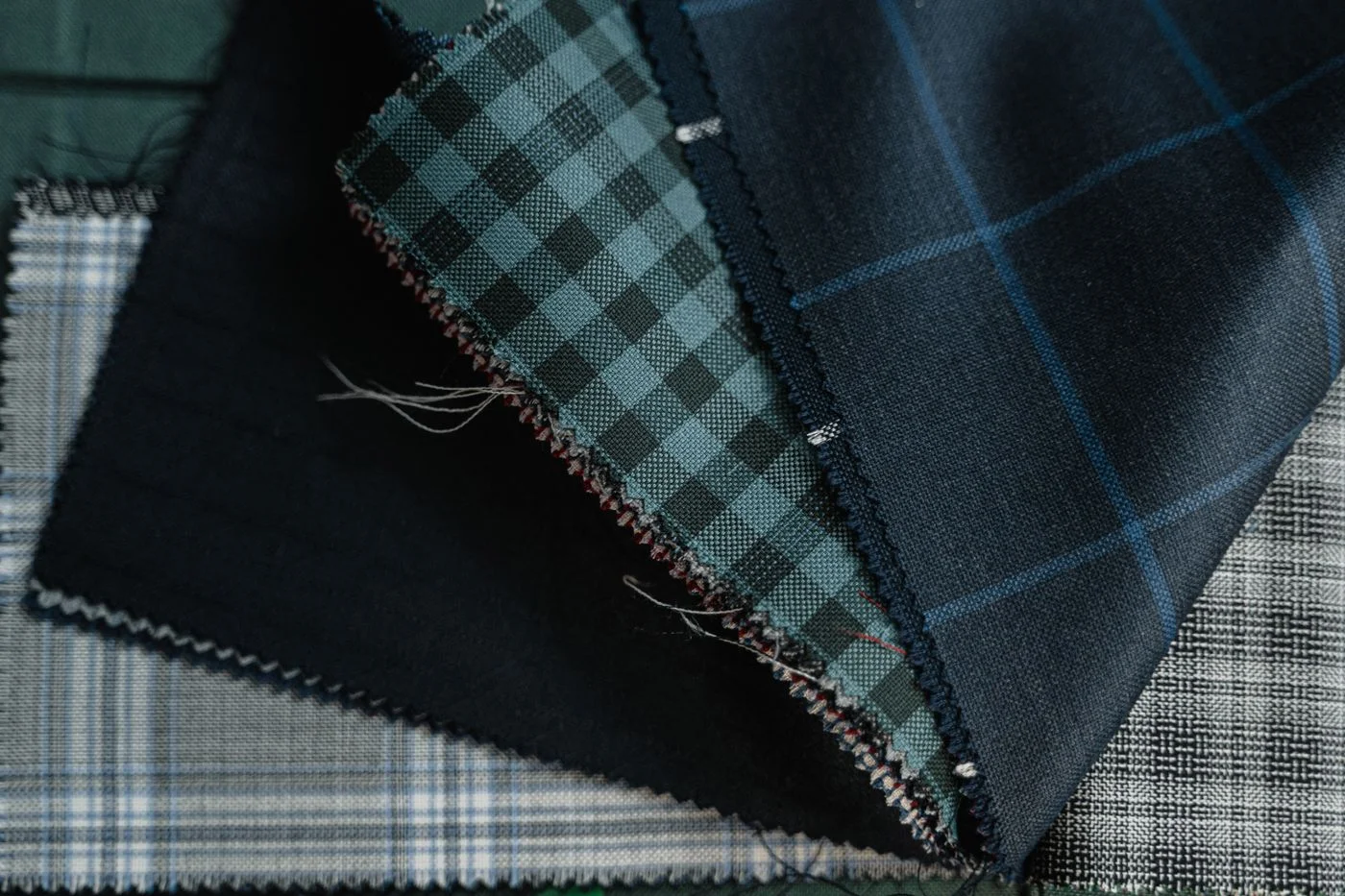
A lab-dip is a small, controlled laboratory dyeing of your own fabric quality to a target color, produced before any bulk dyeing. It is a physical proof: real cloth, in the real composition and GSM, dyed to the shade you want and assessed under standardized light. You approve it, and that approved swatch becomes the standard the production run must match.
The reason it comes first is that color does not behave the same on every substrate. The same target reads differently on 100% cotton, on a cotton-elastane rib, and on a heavier interlock, and it shifts again with finishing. A Pantone number or a monitor color cannot capture that; a lab-dip on your actual fabric does. Approving color on real cloth, under controlled light, removes the guesswork that causes most shade disputes at delivery.
In our process the color laboratory develops the lab-dip, records the recipe, and holds it. Nothing goes to bulk until the standard is signed off, and once it is, that same recipe and standard drive the production run — and any reorder that follows.
How we hold zero color deviation between batches
"Zero color deviation" is a working discipline, not a marketing absolute: production stays within an agreed tolerance of the approved lab-dip standard, batch after batch, so the buyer never sees a shade jump between rolls or between orders. Three things make that repeatable.
One standard, held centrally. The approved lab-dip is the reference for the entire order. Every production batch is assessed against that standard under standardized lighting, and where a buyer requires it, with instrumental color measurement, so drift is caught before rolls are packed rather than after garments are sewn.
One roof, one dyehouse. Because knitting, dyeing and finishing sit together in our integrated production, a single dyehouse and color lab own the shade for the whole order — body and trim included. A pique polo body and its rib collar are dyed in coordinated lots to one standard, so they match on the finished garment. Split those across two dyehouses and the shades drift, which is the single most common complaint buyers bring to us from previous suppliers.
One recipe, kept for reorders. Because the laboratory keeps your approved standard and its recipe, a repeat program is dyed to the same standard rather than re-developed from scratch. That is why a reorder a season later drops in against the first delivery instead of arriving subtly off.
The table below shows where color goes wrong on a typical program and how disciplined lab-dip management removes each risk.
| Where color fails | Common cause | How lab-dip color management fixes it |
|---|---|---|
| Shade wrong at delivery | Approved from screen or Pantone only | Physical lab-dip on your real fabric, approved under standard light |
| Roll-to-roll drift | Batches not checked to one standard | Every batch assessed against the approved standard |
| Body and trim mismatch | Dyed in separate dyehouses | One dyehouse, coordinated lots, one standard |
| Reorder off the original | Recipe not retained | Standard and recipe held in the color lab |
| Substrate surprises | Same target on different fibers/GSM | Lab-dip developed on the exact quality and weight |
All of this is backed by scale and compliance: 8,000 tons of annual capacity, 40+ years of dyeing experience since 1980, and cotton and cotton-elastane qualities produced to OEKO-TEX® Standard 100 requirements. The color lab is one part of a wider quality system you can read about on our fabric quality and certification standards page, and it depends directly on our integrated knit, dye and finish production model.
What to send us for an accurate first-time match
A good lab-dip starts with a good brief. The more precise your inputs, the fewer sampling loops it takes to lock the shade — and the sampling loop is where most of the calendar goes on a new color.
- A physical color standard where possible — a swatch is more reliable than a Pantone number alone, because color reads differently by fiber and GSM.
- Fabric quality and GSM: the exact composition and weight the color will run on, since the substrate changes the result.
- End use and light condition: where the garment will be judged (retail lighting, daylight) so we assess under the right standard.
- Body-and-trim needs: flag any two-component match — pique body with rib collar — so we coordinate the lots.
- Fastness or finish targets: any wash, rub or light-fastness requirement to build into the recipe.
- Volume and reorder intent: tonnage per color and whether this shade will repeat, so we retain the standard.
Field proof from our own runs. Across 40+ years and 40+ countries, the buyers who move to a lab-dip-first discipline stop opening shade claims at delivery and stop dreading reorders. The most frequent story we hear is a program that used to arrive "close enough" from a split-sourced supplier, now landing on standard every season because one color lab holds the recipe. That is the practical payoff of color management: predictable color, so you plan a season without re-approving what you already approved.
Request a lab-dip and a container quote
Every color program with us starts with an approved lab-dip, then a formal quote, then the container run. Send your fabric type, target GSM, composition, color reference and tonnage through our central contact page, and our team replies with a lab-dip plan, a price per kilogram or meter, and a realistic lead time. We supply at container scale — typically 10 to 100 tons per program — and we ship to your port or to your door on agreed Incoterms. Ask for a lab-dip on your exact quality and we will match your standard before a single roll goes to bulk.
Frequently asked questions
What is a lab-dip and why does it come before production?
A lab-dip is a small laboratory dyeing of your actual fabric to a target color, made before the bulk run. You approve it as a physical standard, and only then do we dye production to match it. It exists so the shade is agreed on real cloth under controlled light, not guessed from a screen or a printed swatch, which is where most color disputes start.
How do you measure zero color deviation?
Zero color deviation means production stays within an agreed tolerance of the approved lab-dip standard, checked under standardized lighting and, where required, with instrumental color measurement. We assess the approved standard against each production batch so shades do not drift from roll to roll, and we hold that same standard for reorders so a repeat program matches the first.
Can you match a Pantone or a physical color standard?
Yes. Send us a Pantone reference or, better, a physical swatch, and our color laboratory develops the lab-dip on your fabric quality to match it. A physical standard is more reliable than a Pantone number alone because color reads differently on cotton, blends and different GSMs. We confirm the match on real cloth before bulk.
Will my reorder next season match this order?
That is the main reason buyers value a color lab. Because one laboratory holds your approved standard and the recipe behind it, we dye a repeat program to the same standard rather than starting over. Continuity across seasons is only reliable when the same integrated producer controls the dyeing every time, which is how our color management is set up.
How does integrated production help color consistency?
When knitting, dyeing and finishing sit under one roof, one dyehouse and one color lab own the shade for the whole order, including body and trim. That lets us dye a pique body and its rib collar in coordinated lots to one standard, so they match on the finished garment. Split across separate dyehouses, shades drift, which is the most common complaint buyers bring to us.
How do I request a lab-dip and a quote?
Send your fabric type, target GSM, composition, color reference and tonnage through our central contact page. We reply with a lab-dip plan, a price per kilogram or per meter, and an honest lead time. Every new program starts with an approved lab-dip before the container run, and we ship to your port or to your door on agreed Incoterms.