
Rib and Pique Knit Fabric — Manufacturer
Rib (ribana), pique (lacoste) and matched collar-cuff trims for polos, made in integrated production with OEKO-TEX cotton. Compare GSM and request a sample.
Most polo programs fail on the trim, not the body. A buyer approves a pique swatch, then the collar arrives half a shade off or goes wavy after two washes. Rib and pique knit fabric only works as a pair, and that is exactly how we knit, dye and finish it — pique bodies with matching rib collars and cuffs, produced under one roof at RT Tekstil. Since 1980 we have supplied knit fabric to more than 40 countries, and rib, pique and collar-cuff trims sit at the center of that business because they are what most of our export apparel buyers actually cut into garments.
This page is the practical reference for sourcing rib and pique together: what each fabric is, the GSM and composition ranges we run, how to match trim to body, and how to move from a swatch to a container. If you already know your fabric type and want a price, our team can quote from your spec sheet directly.
Pique, rib and trim: the three fabrics that build a polo
The rib-and-pique family is small but it carries most of the classic and promotional polo market, plus a large share of collar-and-cuff finishing across the rest of a knitwear range. Three qualities do the work.
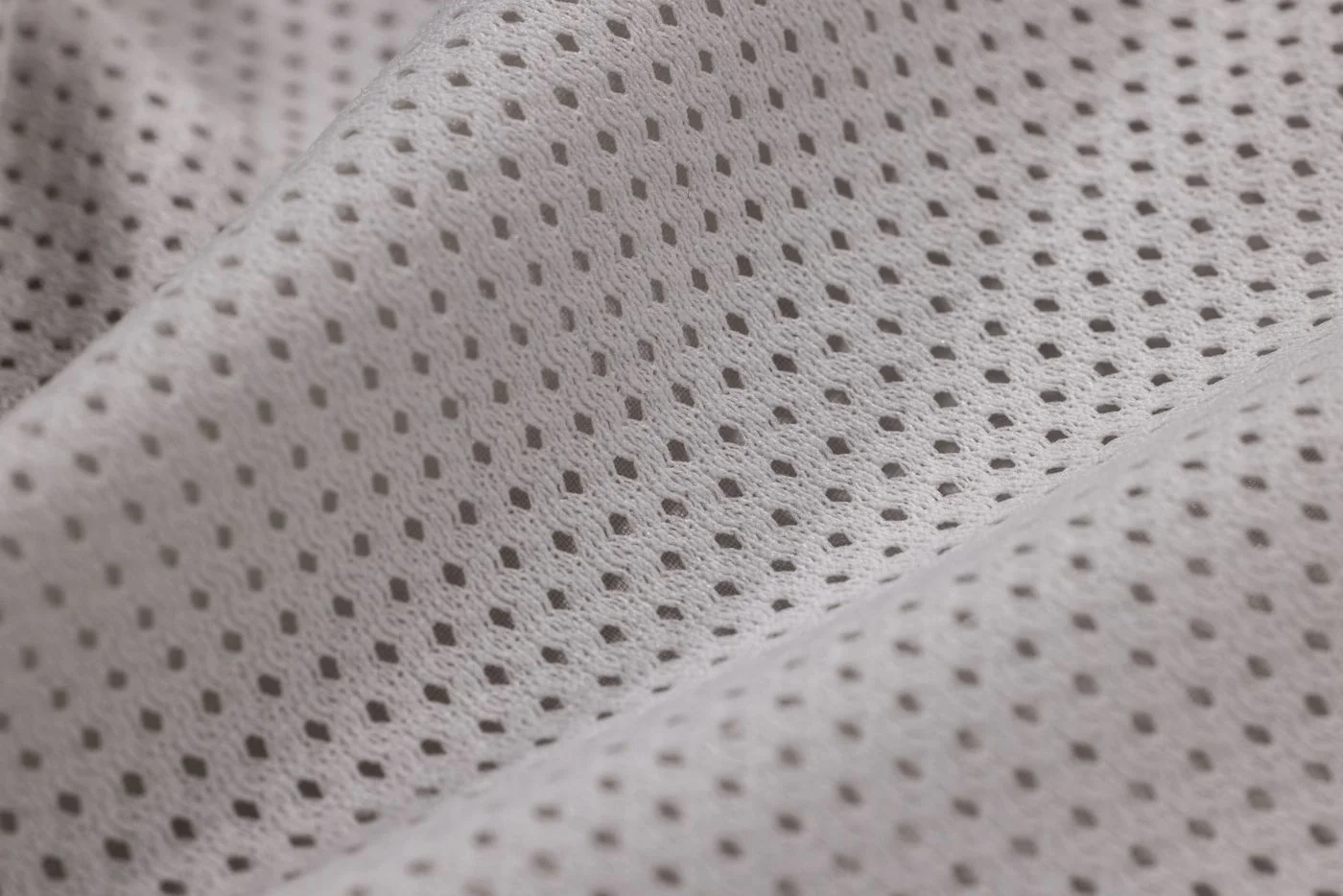
Pique (lacoste) is a piqué knit, usually 100% cotton or a cotton-polyester blend, run between 180 and 240 g/m². The interlocking loops create the small waffle texture that reads as "polo" to any buyer. It has a firmer, drier hand than plain single jersey, holds a printed or embroidered chest logo cleanly, and breathes well — which is why it dominates warm-climate and corporate-wear exports.
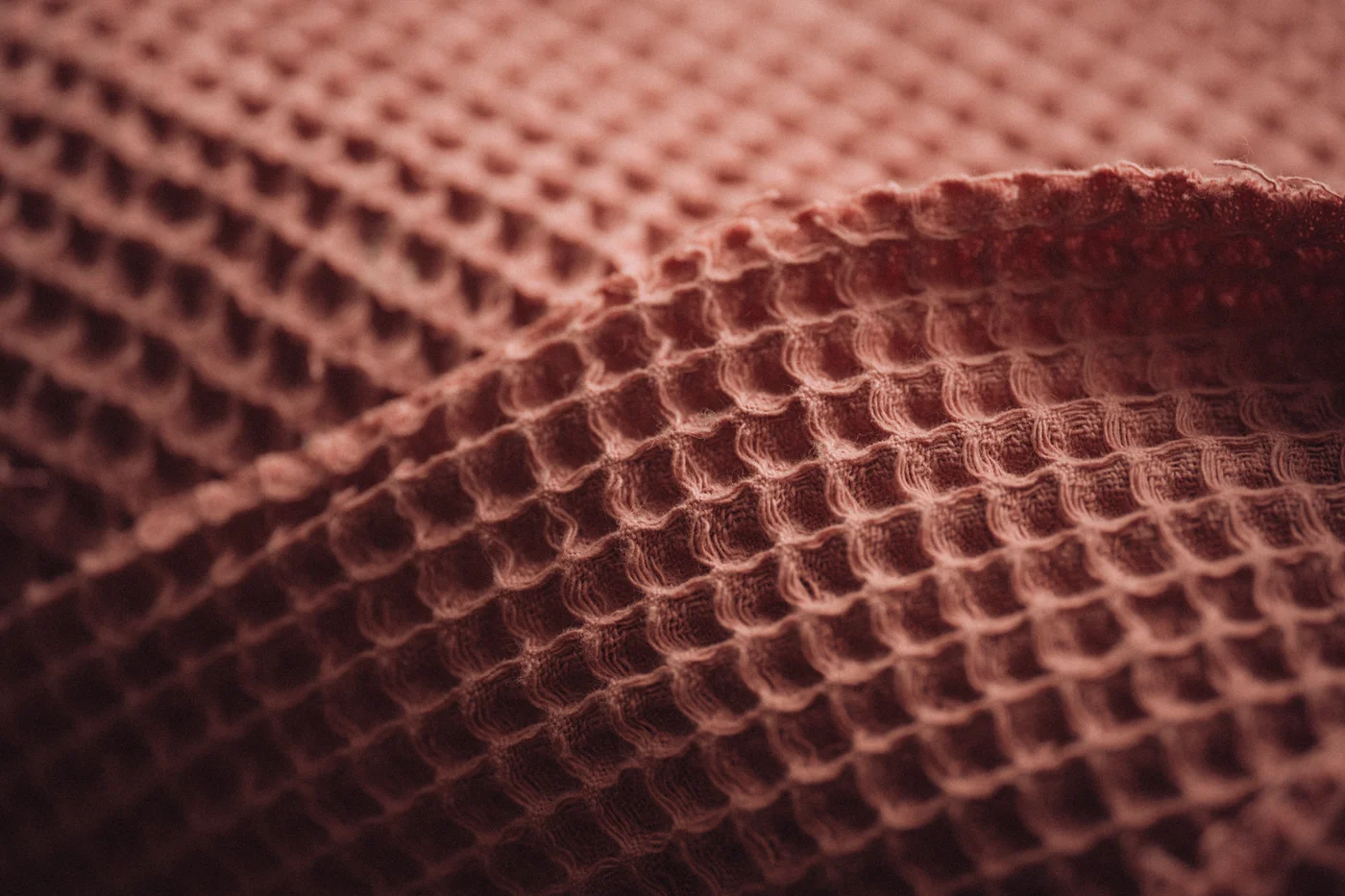
Rib (ribana) is a 1x1 or 2x2 rib knit in cotton-elastane, run between 180 and 260 g/m². Its defining property is recovery: it stretches over the head or hand and springs back, so collars stay flat, cuffs grip, and waistbands and bodysuit openings keep their shape wash after wash. Rib is the finishing fabric of the whole knit wardrobe, not only polos.
Collar and cuff trim (yaka & bant) is a rib or jacquard trim engineered by width rather than by the meter. It is the pre-formed polo collar and cuff, or the binding and neck tape, that has to arrive in the exact shade of the garment body. This is where integrated production earns its keep.
GSM and composition: choosing the right rib and pique fabric
Weight and blend are the two decisions that set the price, the hand and the end use. The table below is our working range for these qualities — use it to brief a spec before you request a sample, and confirm the final numbers against your own pattern and market.
| Fabric | Knit | Typical composition | Weight (g/m²) | Best-fit use |
|---|---|---|---|---|
| Pique (lacoste) | Piqué | 100% cotton / cotton-poly | 180–240 | Polo shirts, polo dresses, corporate wear |
| Rib (ribana) | Rib 1x1 / 2x2 | Cotton-elastane | 180–260 | Collars, cuffs, waistbands, bodysuits |
| Collar & cuff trim | Rib / jacquard trim | Cotton-elastane | Width-based trim | Polo collars, cuffs, binding, neck tape |
A few field notes from what buyers actually order. Under roughly 190 g/m² pique feels light and economical but shows the placket seam more; a 200–220 g/m² pique is the safe middle for classic polos. For rib, a cotton-elastane 1x1 around 200 g/m² gives clean collar recovery; move to a denser 2x2 rib nearer 240–260 g/m² when the buyer wants a chunkier, more structured cuff. Composition follows the destination: pure cotton for premium and hot markets, a cotton-poly pique when the brand wants extra wrinkle resistance and lower shrinkage on a promotional run.
Why buyers source pique and rib from one integrated producer
The single biggest reason polo programs go wrong is split sourcing — pique from one mill, rib collars from another, dyed in different lots. The shades drift, the shrinkage differs, and the finished garment looks two-tone under retail lighting. We remove that risk structurally: at RT Tekstil, knitting, dyeing and finishing sit under one roof in our Istanbul integrated production, backed by a dedicated dyehouse and color laboratory in Tekirdağ.
In practice that means when you approve a lab-dip shade, we dye the pique body, the rib and the collar-cuff trim to that same standard, in coordinated lots, so the trim on the finished polo matches the body. Our lab-dip and color-lab process targets zero color deviation — the difference a buyer sees between a properly matched trim and a split-sourced one is immediate. It is also the reason repeat orders reorder the same shade with confidence a season later.
Two more things matter to an importer at container scale. First, capacity and continuity: 8,000 tons of annual capacity and 40+ years of manufacturing since 1980 mean a program is not going to stall mid-season. Second, compliance: our cotton and cotton-elastane rib and pique qualities are produced to OEKO-TEX® Standard 100 requirements, which is what EU retail and brand buyers audit for. You can read more on our approach to fabric quality and certification standards.
A buyer's checklist before you request a sample
Bring these to the table and the first quote will be accurate instead of a placeholder. It also shortens the lab-dip and sampling loop, which is where most of the calendar goes.
- Fabric type and pairing: pique body plus matching rib collar/cuff, or rib/trim only.
- Target GSM: e.g. 210 g/m² pique with a 200 g/m² 1x1 rib trim.
- Composition: 100% cotton, cotton-elastane, or cotton-poly — and any elastane percentage you need.
- Colors and matching: Pantone or a physical standard; note that body and trim must match.
- Finish and compliance: OEKO-TEX® requirement, any shrinkage or fastness target.
- Volume and destination: tonnage per color and the port or door we ship to.
For the two most common end uses, we cover the detail on dedicated pages: how to specify pique lacoste fabric for polo shirts, and how to order rib collar and cuff trims for apparel that match your main fabric.
Where rib and pique fabric goes: end uses across a range
Buyers sometimes file this family under "polos and done", but rib in particular reaches across a whole knitwear range. Mapping the end use to the right quality keeps a program tidy and the reorders predictable.
Polo shirts and polo dresses are the anchor of the pique side. A 200–220 g/m² cotton pique body with a matched 1x1 rib collar and cuff is the classic build; corporate and promotional programs live here, and warm-market exports lean to pure cotton for breathability. Structured cuffs and waistbands on sweatshirts and joggers pull a heavier 2x2 rib nearer 240–260 g/m² for grip and a chunkier look. Bodysuits and fitted tops use a finer cotton-elastane rib for close, recovering fit around the neck and leg openings.
Binding, neck tape and edge trims are the quiet workhorses: narrow rib or jacquard trim, width-based rather than by the meter, that finishes an opening or covers a seam cleanly. And across all of these, the shade-match rule is the same — the trim has to leave the dyehouse in the body's shade, which is why the end use and the color plan are decided together at the sampling stage, not after.
Field proof from our own runs. The pattern we see most often across 40+ years and 40+ countries is simple: buyers who consolidate pique body and rib trim onto one integrated producer stop opening color-mismatch claims, and their season-to-season reorders drop straight in because the standard shade is held in our color lab. Buyers who keep splitting body and trim keep firefighting two-tone garments. That is not a sales line — it is the single most repeated reason an apparel importer moves their trim program to us and then adds their body fabric the next season.
Request a sample or a container quote for rib and pique fabric
Every new program with us starts the same honest way: an approved sample first, a formal quote second, a container run third. Send your fabric type, target GSM, composition, colors and tonnage through our central contact page, and our team replies with a lab-dip plan, a price per kilogram or meter, and a realistic lead time. We supply at container scale — typically 10 to 100 tons across pique, rib and trims combined — and we ship to your port or to your door on agreed Incoterms. If you want, request a swatch card of our standard rib and pique knit fabric qualities and we will match it to your target shade.
Frequently asked questions
What is the difference between rib and pique fabric?
Rib (ribana) is an elastic 1x1 or 2x2 knit that recovers to shape, so it suits collars, cuffs and bodysuits at 180–260 g/m². Pique (lacoste) is a textured piqué knit at 180–240 g/m² that gives polo shirts their signature waffle surface and firmer hand. In practice you often pair them: pique for the body, rib for the finishing.
What GSM should I order for polo shirts?
For most classic and promotional polos, pique between 190 and 220 g/m² is the working range: light enough for warm-climate export, heavy enough to hold a clean placket and collar. Premium polos move toward 220–240 g/m². We supply a sample yardage in your target weight so your pattern room can confirm before a container order.
Can the rib trim be color-matched to my main fabric?
Yes. Because knitting, dyeing and finishing run under one roof, we dye the pique body and the rib collar-and-cuff trim in the same lab-dip and the same dye lot. That is how we hold zero color deviation between the polo body and its trim, which is the most common complaint buyers bring to us from split-sourced suppliers.
Do you offer OEKO-TEX certified rib and pique?
Yes, our cotton and cotton-elastane rib and pique qualities are produced to OEKO-TEX® Standard 100 requirements, which matters for EU and retail-brand buyers who audit their supply chain. We can confirm the applicable certification scope for the specific quality and shade you intend to import.
What is the minimum order for a container shipment?
We are built for container-scale supply, typically 10 to 100 tons per program across pique, rib and trims combined. Colors and GSM can be split within that volume. We ship to your port or to your door on agreed Incoterms, and we start every new buyer with a sample and a formal quote.
How do I request a quote and lead time?
Send us your fabric type, target GSM, composition, colors and quantity through our central contact page. We reply with a lab-dip plan, a price per kilogram or per meter, and an honest production lead time. First orders usually begin with an approved sample before the bulk run is booked.