
Cotton vs Polyester vs Blend: Choosing Composition
Cotton vs polyester vs blend for knitwear: how composition affects comfort, durability and cost, and when to choose each. Verified specs, request a sample.
Composition is the decision that quietly sets the ceiling on a garment: it fixes how the piece feels against the skin, how long it survives the wash cycle, and how much yarn cost lands in your unit price. Choose cotton, polyester or a blend well and the garment does exactly what the customer expects; choose it carelessly and no amount of good knitting or dyeing rescues it. Drawing on four decades of knitting all three across the fabric families, this guide compares cotton, polyester and blends on the three things buyers actually weigh — comfort, durability and cost — and shows when each is the right call.
How Composition Shapes Comfort, Durability and Cost
Every fibre carries a set of trade-offs, and understanding them is what lets a buyer match fabric to garment instead of guessing. Three fibres cover the large majority of knit apparel.
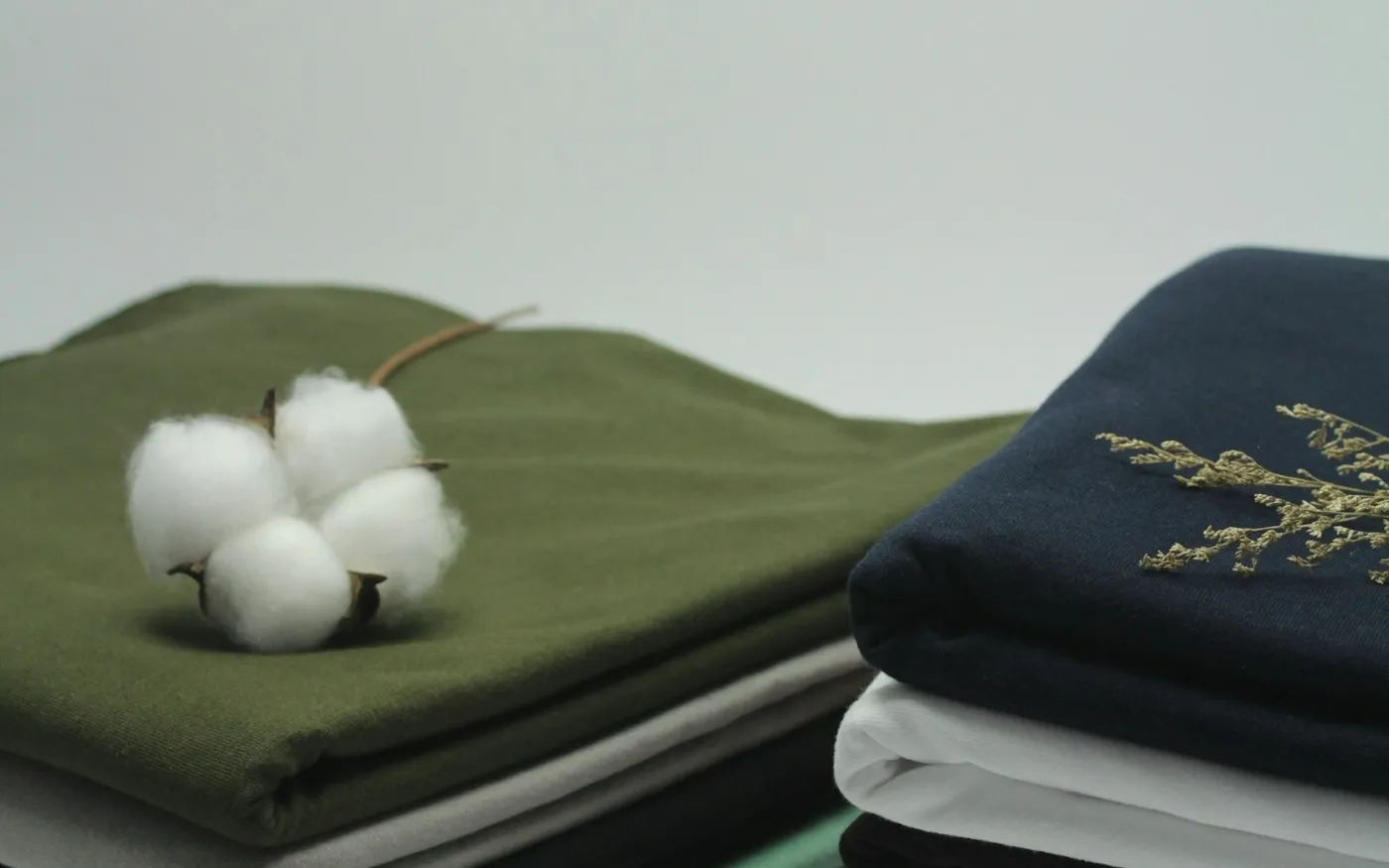
Cotton is a natural fibre prized for softness, breathability and a comfortable feel against the skin. It takes dye beautifully and suits anything worn next to the body — tees, underwear, premium basics. Its limitations are a greater tendency to shrink and crease and slower drying, both of which good finishing can control but not fully erase.
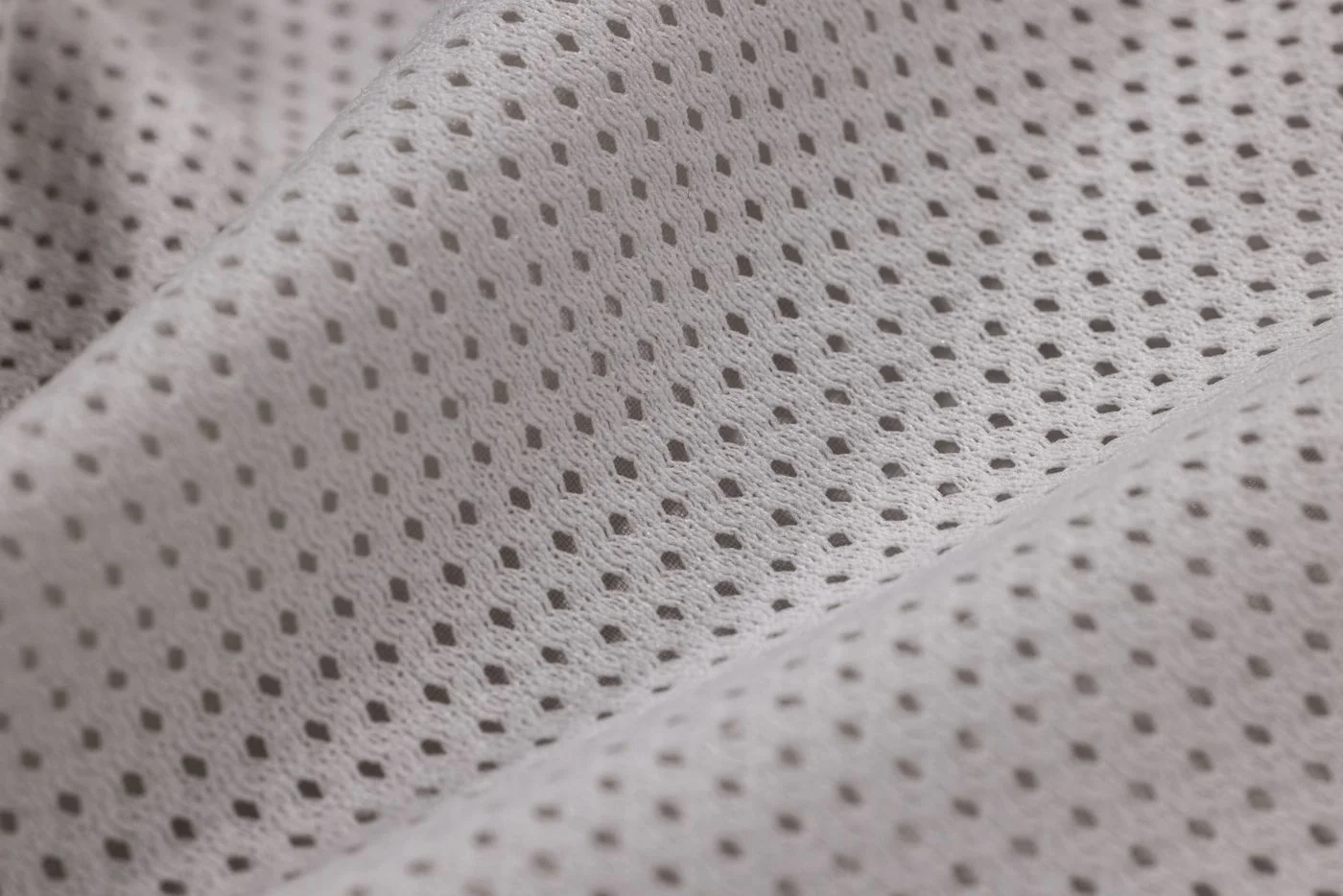
Polyester is a synthetic fibre valued for strength, dimensional stability, fast drying and excellent shape retention. It is the natural choice for performance and printed activewear, especially where sublimation printing needs a polyester base. Its weakness is breathability: on its own it can feel less soft and less airy against the skin than cotton.
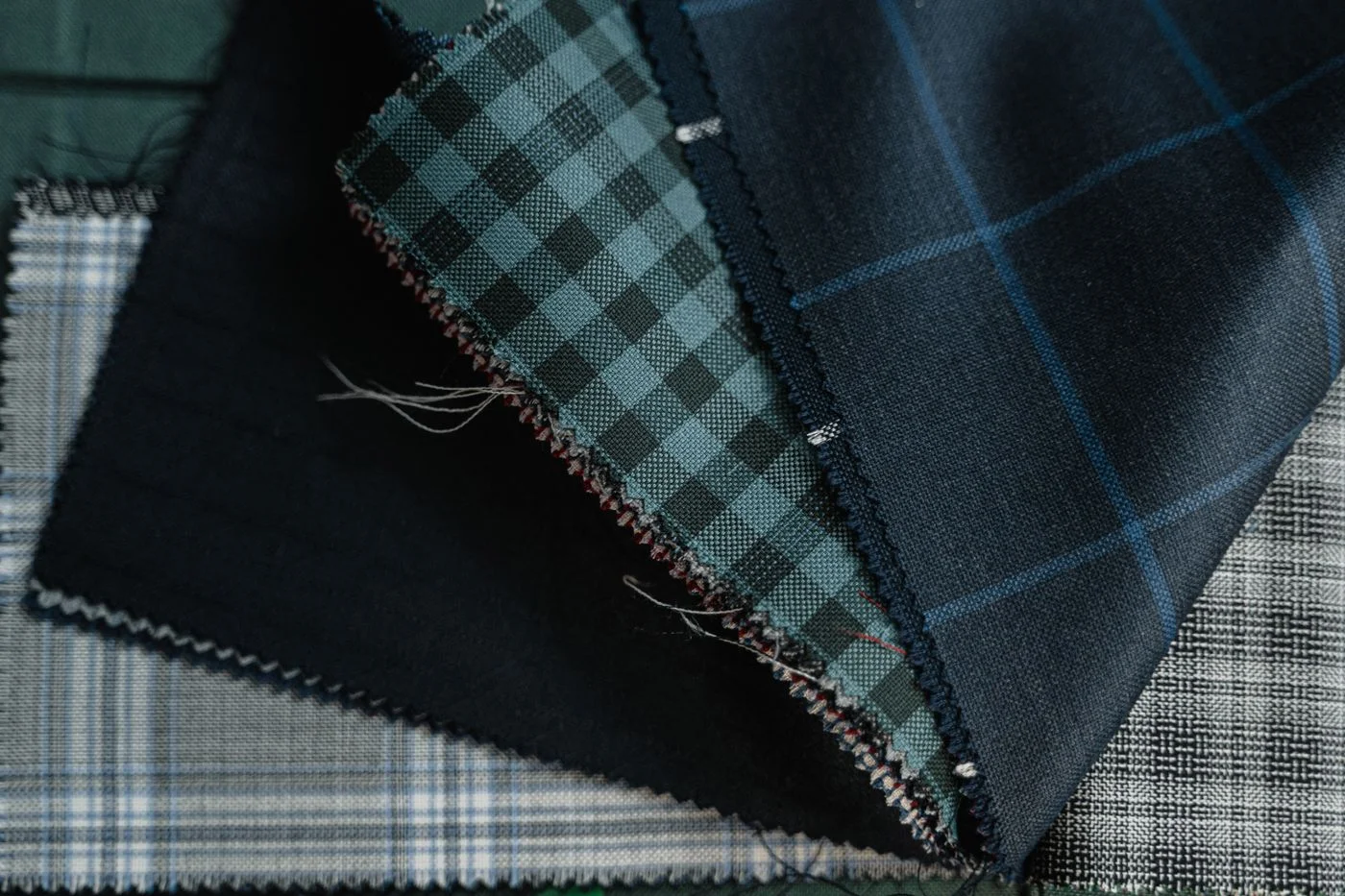
Blends — most commonly poly-cotton, and often with a touch of elastane — combine fibres to balance the trade-offs. A cotton-rich blend keeps most of cotton's comfort while borrowing polyester's durability and easy care. Adjusting the ratio lets a brand tune the fabric to a garment's exact needs and price target, which is why blends dominate so much everyday apparel.
Cotton vs Polyester vs Blend: The Comparison Table
Set side by side, the trade-offs become a clear sourcing framework. This is the same comparison our technicians walk through when a buyer describes a garment and asks which composition fits.
| Property | 100% Cotton | 100% Polyester | Poly-Cotton Blend |
|---|---|---|---|
| Comfort / softness | Excellent, soft and natural | Fair, less airy on skin | Good, cotton-led feel |
| Breathability | High | Lower | Moderate to high |
| Durability / shape retention | Good, can lose shape | Excellent, very stable | Very good, balanced |
| Drying speed | Slower | Fast | Moderate |
| Shrink tendency | Higher (managed by finishing) | Very low | Low to moderate |
| Print suitability | Great for standard prints | Ideal for sublimation | Versatile |
| Best-fit garments | Tees, underwear, premium basics | Activewear, printed sportswear | Sweatshirts, joggers, value ranges |
On elastane: a small addition of 3-8% elastane is layered onto a cotton or blend base whenever a garment needs stretch and recovery — slim-fit tees, ribbed collars and cuffs, bodysuits and activewear. It is a modifier for fit, not a standalone fabric.
When to Choose Each: A Buyer's Decision Guide
The right composition is always the one that matches the garment's real job. These plain rules cover most sourcing decisions.
- Choose 100% cotton for premium tees, underwear and next-to-skin basics where softness and breathability are the selling point.
- Choose polyester for performance and printed activewear where moisture management, shape retention and sublimation printing lead the brief.
- Choose a poly-cotton blend for sweatshirts, joggers and value-focused ranges that need a balance of comfort, durability and cost.
- Add elastane to any of the above when the cut is slim or the garment has ribbed panels that must recover after wear.
- Let the print method weigh in: if sublimation is core to the design, that alone can push the choice toward a polyester base.
- Match fibre to season: breathable cotton for warm-weather pieces, stable blends and synthetics for structured and cold-weather garments.
These map directly onto the knit families we produce — for example, a single-jersey tee base can be specified in 100% cotton, cotton-elastane or a cotton-poly blend depending on the brief. Our page on single jersey fabric and its compositions shows how that plays out in one construction, and our guide to fabric GSM and weight selection covers the other half of every specification.
How We Control Every Composition, Whichever You Choose
Selecting the right fibre only pays off if the fabric you receive genuinely holds that composition and its properties, order after order. That reliability comes from controlling the whole process rather than trusting an outsourced chain.
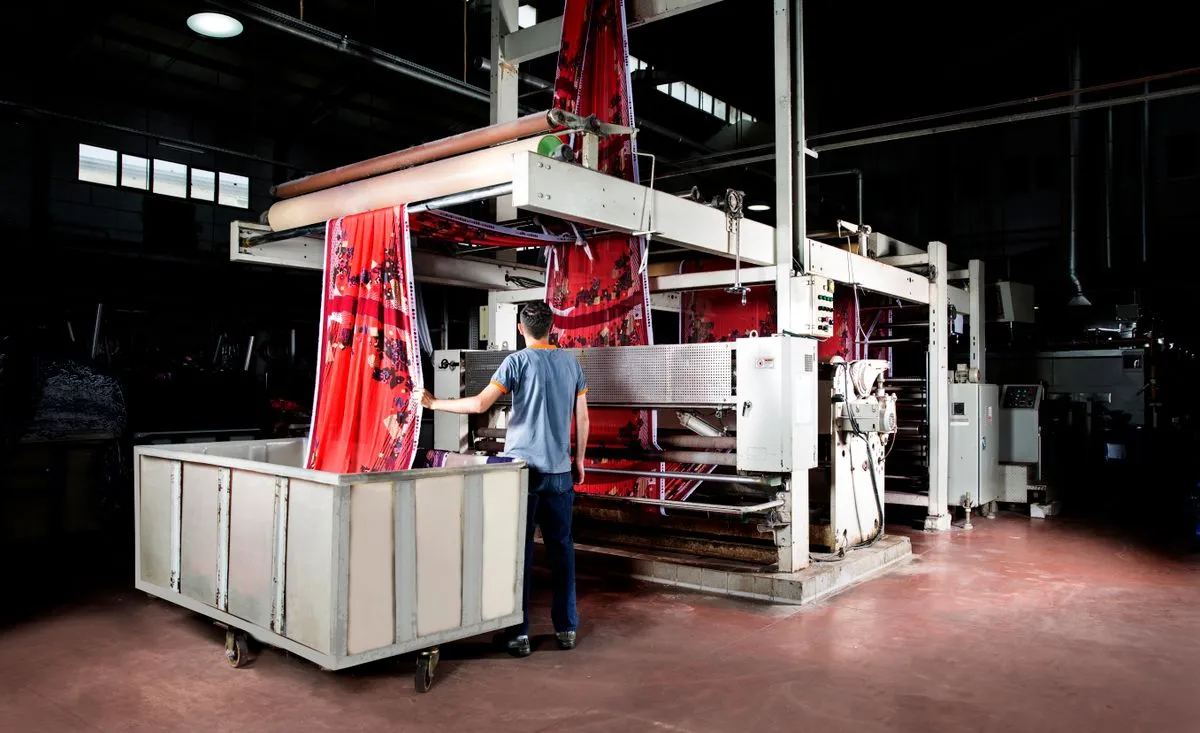
At RT Tekstil we knit in 100% cotton, cotton-elastane, cotton-polyester, viscose and polyester, with knitting, dyeing and finishing all running under one roof in our Istanbul integrated production and supported by our Tekirdag dyehouse and colour laboratory. Because we own each step, we control how each composition is knit, dyed and finished so its intended comfort, durability and colour behaviour are delivered consistently. All of it is produced under OEKO-TEX standards, which is particularly important for the cotton and next-to-skin fabrics your customers wear directly against the body. For the full account of how we hold every specification steady across repeat containers, see our overview of fabric quality and certifications.
Request a Sample or a Container Quote
The clearest way to settle a composition decision is to feel the options in your own hand. Tell us the garment, the target GSM and the balance of comfort, durability and cost you are aiming for, and we will recommend a composition, send a sample, prepare a lab-dip for your colours and quote container-scale supply for your collection. Reach our team through the central contact channel on our site and we will match the right fibre to every style.
Frequently Asked Questions
Is cotton or polyester better for t-shirts?
For everyday and premium t-shirts, 100% cotton is usually preferred because it is soft, breathable and comfortable against the skin, which is what customers expect from a tee. Polyester is chosen when the priority is moisture management, shape retention or sublimation printing, such as sports and performance tees. Many brands compromise with a cotton-rich blend that keeps most of cotton's comfort while adding durability and easier care.
What is a poly-cotton blend and why is it used?
A poly-cotton blend combines cotton and polyester fibres in one fabric, for example 65% cotton and 35% polyester, to capture the strengths of both. The cotton share provides softness and breathability while the polyester share adds durability, dimensional stability, faster drying and a lower tendency to shrink. Blends are popular for sweatshirts, joggers and value-focused ranges where a balance of comfort, longevity and cost matters.
Why add elastane to a cotton or blend fabric?
Elastane, usually 3-8% of the composition, is added to give a fabric stretch and recovery so a garment moves with the body and returns to shape after wear. It is specified for slim-fit tees, ribbed collars and cuffs, bodysuits and activewear where a snug, recovering fit is required. Elastane is almost always a small addition to a cotton or blend base rather than a fabric on its own.
Which composition is most durable?
Polyester and poly-rich blends are generally the most durable, resisting abrasion, holding shape and drying quickly, which is why they suit activewear and heavy-use garments. Pure cotton is comfortable and breathable but can shrink and lose shape more than a blend if finishing is not well controlled. A blend often gives the best overall durability-to-comfort balance for everyday apparel.
Does composition affect fabric cost?
Yes. Fibre choice is one of the main drivers of fabric cost, and prices move with raw-material markets, so the gap between cotton and polyester varies over time. Blends let a brand tune the balance of performance and cost by adjusting the ratio. The most cost-effective composition is the one that meets the garment's real requirements without paying for properties it does not need.
Can you supply any of these compositions to specification?
Yes. We knit in 100% cotton, cotton-elastane, cotton-polyester, viscose and polyester across the knit families, all produced under OEKO-TEX standards. Tell us the garment, target GSM and the balance of comfort, durability and cost you want, and we will recommend a composition, send a sample, prepare a lab-dip for your colours and quote container-scale supply.