Knitted Fabric Supplier in Turkey for Brands and Garment Makers
A knitted fabric supplier in Turkey: integrated production, OEKO-TEX quality, lab-dips and container shipping for brands and garment makers. Request a sample.
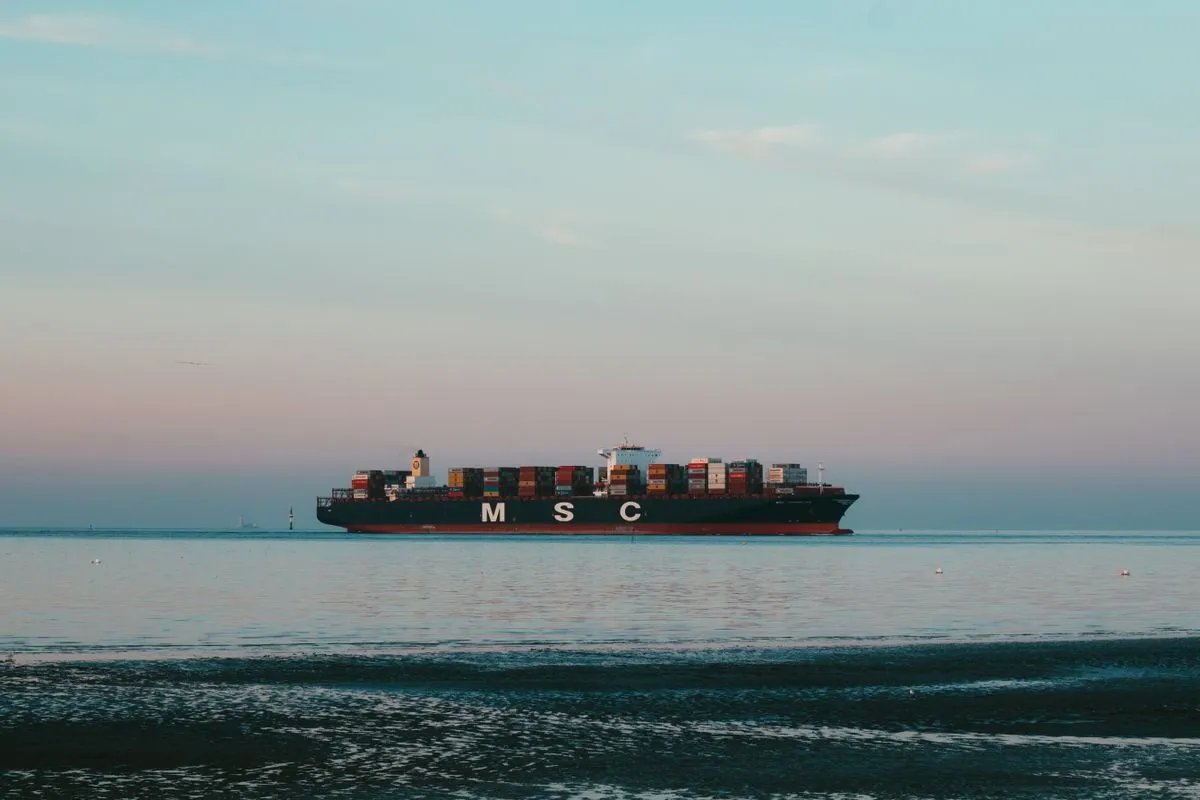
Choosing a knitted fabric supplier in Turkey usually comes down to three questions a serious buyer asks in the first meeting: can you hold my colour across a full container, can you certify the cloth for my market, and can you ship on time. RT Tekstil has answered those questions for apparel brands and importers in 40+ countries since 1980, knitting, dyeing and finishing under one roof. This page is written the way our own sales and production teams would brief a new buyer, so you can judge whether we are the right mill for your programme before you send a single email.
What an integrated knitted fabric supplier actually gives you
The word "supplier" covers two very different businesses. One is a trader who buys greige cloth, sends it to a separate dyehouse, and passes it on. The other is an integrated mill that controls the fabric from yarn to finished roll. That difference decides how much risk lands on your production plan, and it is the reason experienced importers pay attention to who really makes the cloth.
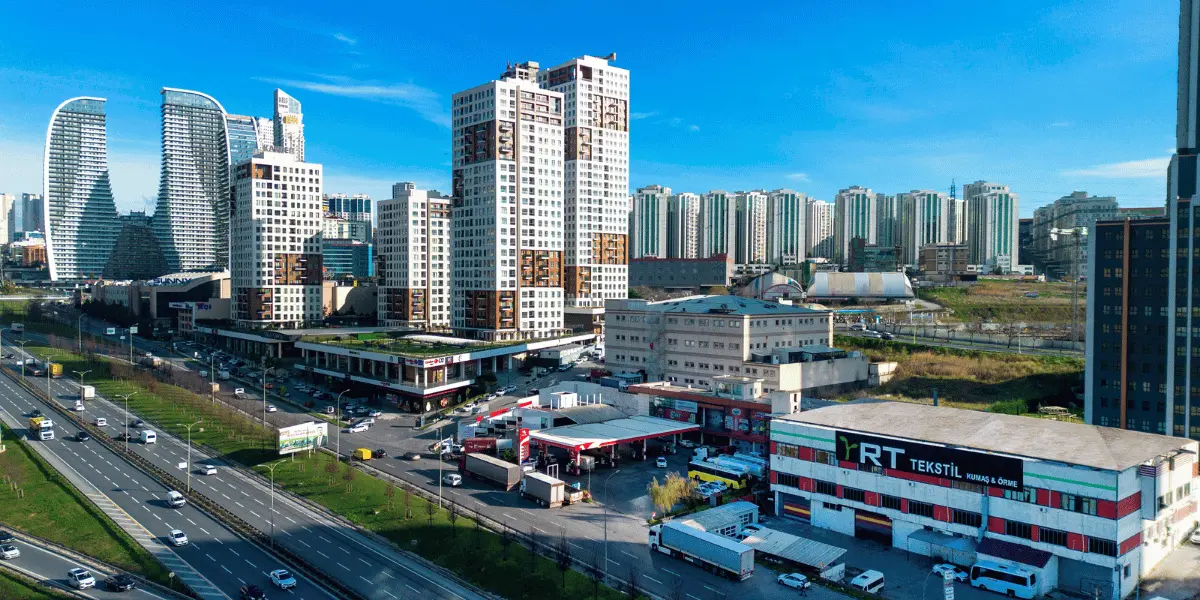
In our Istanbul facility, knitting, dyeing and finishing run under one roof, supported by a dedicated dyehouse and colour laboratory in Tekirdağ. A fabric order does not pass through three unconnected subcontractors who each add their own tolerance and their own delay. That single point of control is what lets us commit to a shade, a weight and a delivery date and then hold all three.
Why buyers choose an integrated mill over a trader
- One point of responsibility from yarn to finished, inspected roll
- Colour set once as a lab-dip, then matched batch to batch
- Shorter lead times with no hand-offs between separate factories
- Consistent repeats, so a reorder hangs next to the original
- Direct technical answers from the people who knit and dye the cloth
Why source knit fabric from Turkey
Turkey sits within a few days' transit of the EU, holds a deep cotton and yarn base, and has decades of knit-export know-how, which is why so many European and international brands source knitted fabric here. For a buyer, that geography translates into faster shipping and easier communication than long-haul alternatives, without giving up the fabric range a full collection needs.
The honest picture is that Turkey is not the cheapest origin on a spot price alone. What it offers instead is landed value: dependable colour, certified cloth, quicker turnaround and fewer rejected shipments. When you count the true cost of a delayed or off-shade container, an integrated Turkish mill often works out lower than a nominally cheaper source that cannot hold a standard. For a fuller walk-through of duties, documentation and timing, our guide to importing knit fabric from Turkey covers the practical steps.
| Sourcing factor | What it means for the buyer | Integrated mill in Turkey |
|---|---|---|
| Transit time to the EU | Faster restocks, lower carrying cost | Days, not weeks |
| Colour consistency | Repeats match the original standard | Lab-dip set, matched batch to batch |
| Certification | Cloth accepted by retailers and customs | OEKO-TEX®, export standards |
| Fabric range | One supplier covers a full collection | Full weft-knit family under one roof |
| Order scale | Volume matched to your programme | 10–100 tons per colour and build |
The knit fabrics we supply
A capable supplier should cover the whole collection, not just the easy line. We knit the full weft-knit family, so a brand can source its t-shirts, its polos, its winter fleece and its structured pieces from one mill on one set of specifications. The table below maps the fabrics we produce most, with the weight bands buyers actually order.
| Fabric | Typical weight (g/m²) | Common use |
|---|---|---|
| Single jersey (süprem) | 120–220 | T-shirts, dresses, underwear, linings |
| 2-thread fleece | 220–280 | Mid-season sweatshirts and hoodies |
| 3-thread fleece | 280–380 | Winter hoodies and joggers |
| Rib (ribana) | 180–260 | Collars, cuffs, waistbands, bodysuits |
| Piqué (lacost) | 180–240 | Polo shirts and dresses |
| Interlock (kaşkorse) | 200–300 | Premium sweat and velvety-look dresses |
| Scuba / double-knit | 220–350 | Structured dresses, jackets, printed activewear |
| Double-face | 280–400 | Jackets, coats, premium outerwear |
Because the same mill knits all of these, a season's fabrics share one colour standard and one quality discipline. That matters when a brand wants its polo trim, its t-shirt body and its hoodie to sit together on the shelf as a coherent range. Printed programmes in particular benefit from a supplier who understands both the base cloth and the finish; our overview of ready print collections and printable base fabrics shows how the substrate choice shapes the final result.
How colour and quality are controlled
Colour is where most supplier relationships succeed or fail, so it deserves detail rather than a slogan. Every shade you order begins life as a physical lab-dip prepared in our Tekirdağ colour laboratory. Your team approves that lab-dip against your standard, and that approved reference becomes the target the dyehouse matches for the entire run. We aim for zero visible colour deviation from batch to batch, and just as importantly on the repeat you place six months later.
The quality story does not end at colour. OEKO-TEX® credentials mean the cloth is tested for harmful substances, which is now a baseline requirement for many EU and international retailers and often a condition at customs. Producing to export standards, with more than 40 years of practice and exports to 40+ countries, is the reason our fabric passes a buyer's inbound inspection rather than turning into a claim. For the full picture of how we build fabric to spec, our teams also cover the specifics on the single jersey fabric page, where weight and composition choices are broken down in detail.
Buyer decision checklist before you commit
- Confirm the mill knits and dyes in-house, not through subcontractors
- Request a lab-dip against your own colour standard
- Ask for the OEKO-TEX® scope relevant to your destination market
- Lock the weight in g/m², not a vague "light" or "heavy"
- Agree the incoterm, documentation and realistic lead time in writing
- Estimate tonnage per colour and construction for container planning
Capacity, logistics and delivery to your market
Scale reassures a buyer, because a mill that produces 8,000 tons a year can absorb a container order without disrupting its other programmes. We work at container scale, typically 10 to 100 tons per colour and construction, and we plan production so your delivery date is a commitment rather than a hope. That capacity, built up since 1980, is what lets us support growing brands as their orders climb season on season.
On logistics, we keep it simple and buyer-led. Finished, inspected rolls leave our production in Turkey, and we arrange shipping on the incoterm your team prefers, delivering to your port or to your door. We agree documentation, timing and the incoterm before dispatch, so there are no surprises when the container arrives. If you are still comparing origins and suppliers, our checklist on how to choose a knitted fabric supplier sets out exactly what to test before you place a large order.
Request a sample or a container quote
The fastest way to evaluate a knitted fabric supplier in Turkey is to feel the cloth and check the shade in your own light. Tell us the garment you are building, the fabric, your target weight in g/m², the composition and your colour standard, and we will prepare hangers and lab-dips for your technical team. From there we quote at container scale, generally 10 to 100 tons per colour and construction, and arrange delivery to your port or to your door. To request a sample or a quote, contact our team through the central contact form on our website.
Frequently asked questions
What order volumes does a knitted fabric supplier in Turkey work with?
We work at container scale, typically 10 to 100 tons per colour and construction, and export to 40+ countries. After you approve a sample, a smaller trial lot is possible so your team can validate the fabric before committing to a full production run.
How do you keep colour consistent across a full container?
Every shade starts as an approved lab-dip in our Tekirdağ colour laboratory. Because knitting, dyeing and finishing sit under one roof, we match the approved standard batch to batch and target zero visible colour deviation across the whole run and on later repeats.
Which knit fabrics can you supply?
We knit the full weft-knit family: single jersey, two- and three-thread fleece, rib, piqué, interlock, scuba and double-face, in cotton, cotton-elastane, cotton-poly and polyester builds from roughly 120 to 400 g/m² depending on the construction.
Do you provide samples and lab-dips before a bulk order?
Yes. We send physical hangers and lab-dips so your technical and buying teams can assess weight, composition and shade in person. Sample approval precedes every bulk order and protects both sides before container production begins.
Are your fabrics certified for export markets?
Yes. Our fabrics carry OEKO-TEX® credentials, so the cloth is tested for harmful substances and meets the requirements many EU and international buyers set for their supply chain. We produce to export standards and have shipped to 40+ countries since 1980.
How is delivery handled for international buyers?
We arrange shipping on Incoterms your team is comfortable with and deliver to your port or to your door. Finished, inspected rolls leave our production in Turkey; we agree the incoterm, documentation and timing with you before dispatch.
How long does production take after sample approval?
Lead time depends on colour count, total tonnage and finishing, but integrated production shortens it because there is no waiting between separate knitting, dyeing and finishing subcontractors. We confirm a realistic date in writing when we quote, so your production plan is dependable.