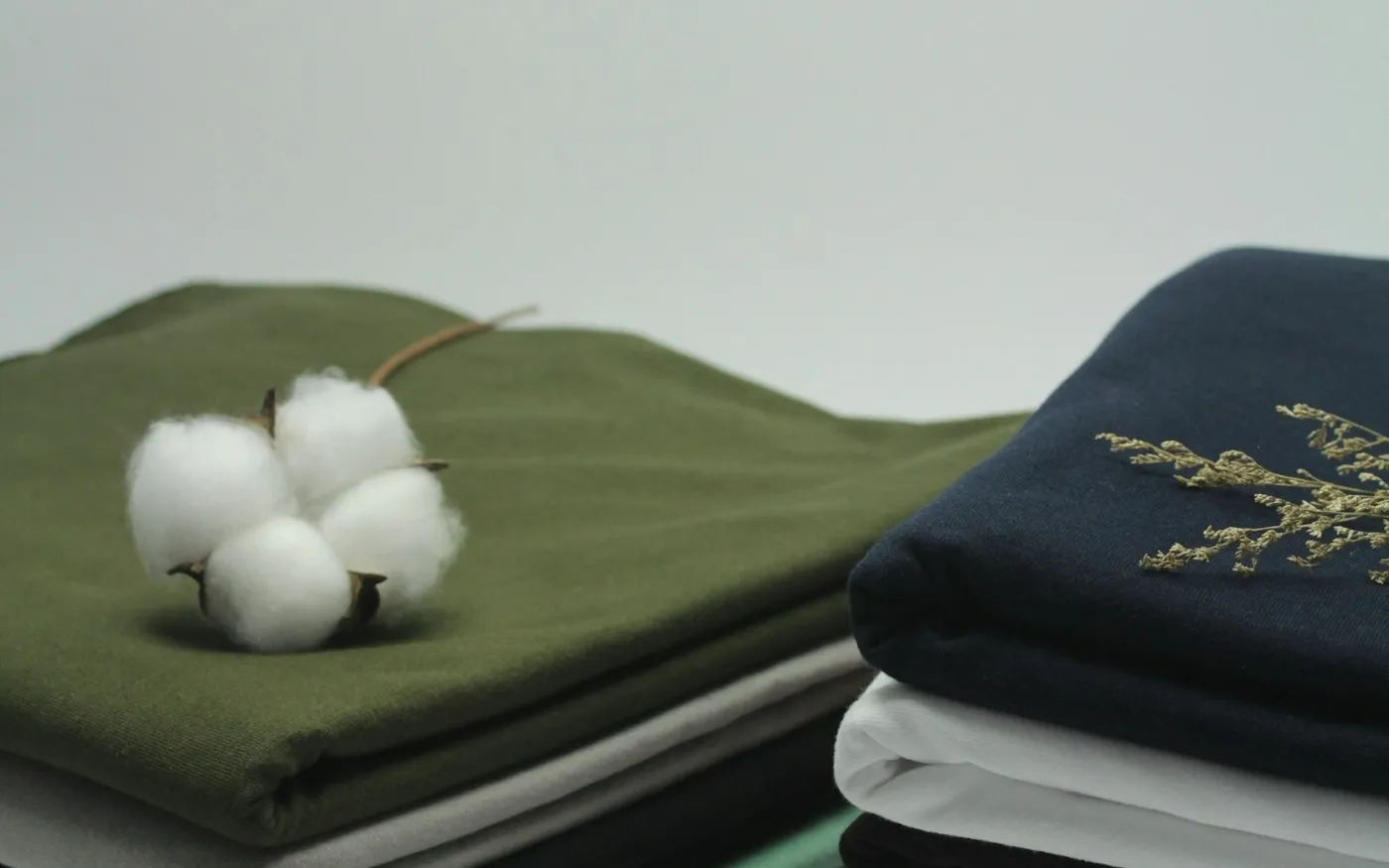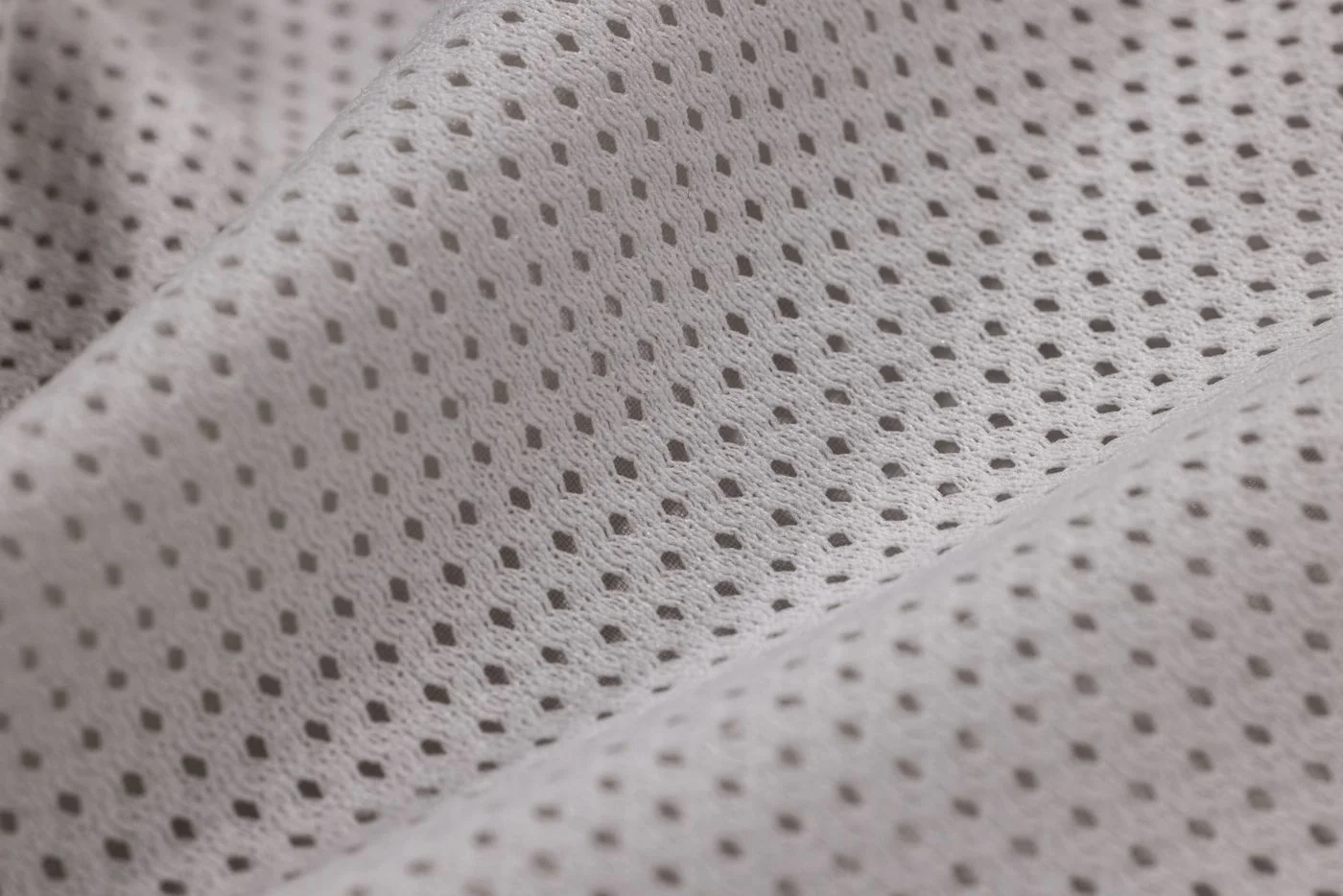

What Is Single Jersey Fabric? A Buyer's Guide
What single jersey fabric is, how it is knitted and why it is the base for t-shirts. GSM ranges, composition and selection tips from a Turkish manufacturer.
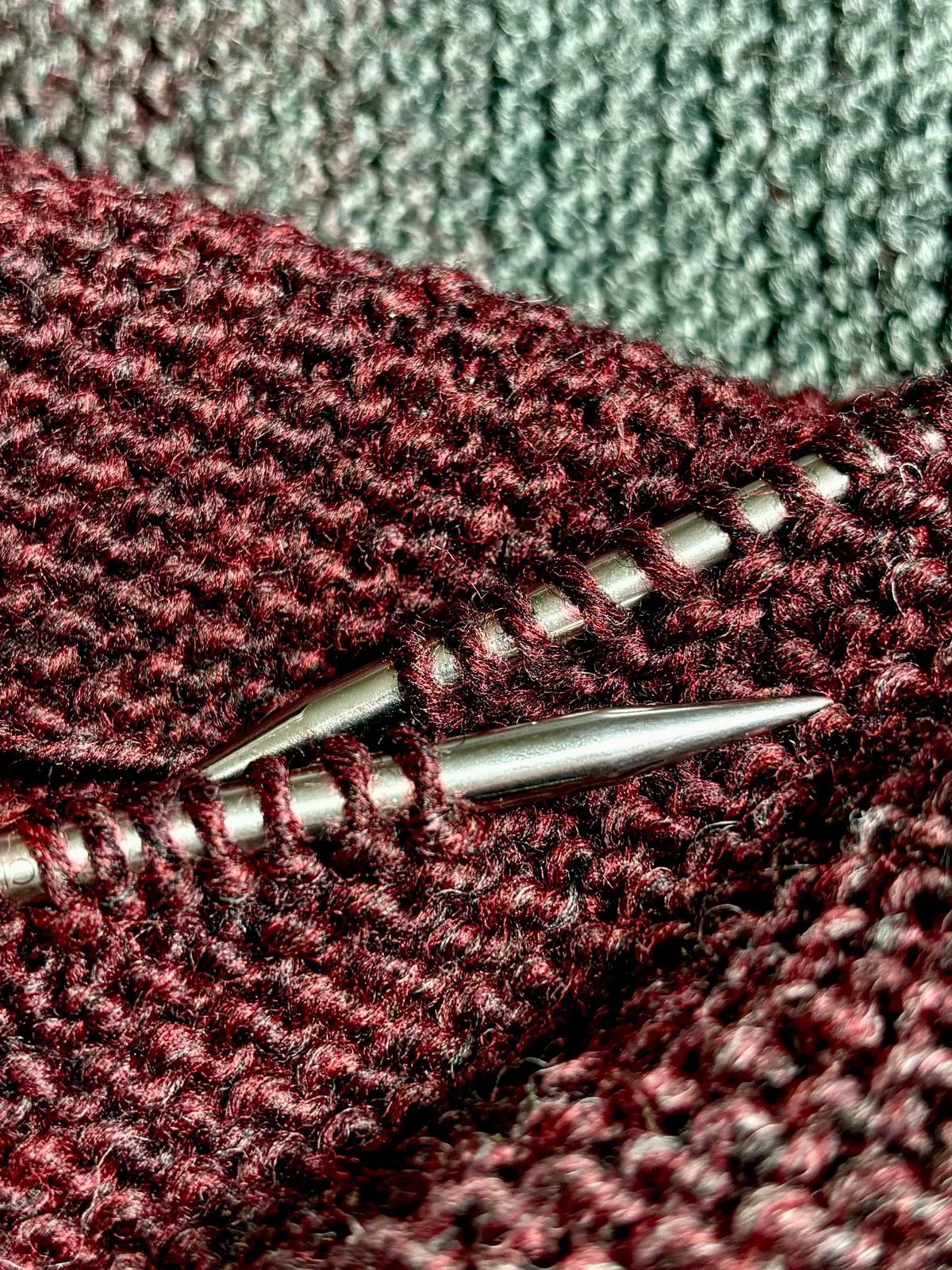
Single jersey fabric is the light, smooth knit that most of the world's t-shirts are made from, and understanding it is the first step for any buyer sourcing knitwear. It is knitted on a single needle bed, which gives it a clean face, a soft drape and its familiar tendency to curl at the edges. We knit single jersey every day in our integrated facility in Turkey, so this guide explains what it is, how it is made and how to choose the right version for your product, in plain sourcing terms rather than textbook theory.
How single jersey is knitted
Single jersey is a weft-knit fabric, which means a single yarn travels back and forth forming interlocking loops row by row. The defining detail is that it is made on one needle bed. That single-bed construction is what gives the fabric two different sides: a smooth face of neat V-shapes and a looped, slightly textured back.
That same construction explains the fabric's personality. It is light and breathable because there is only one layer of loops. It drapes softly because there is nothing stiffening it. And it curls at raw edges because the loops are under uneven tension once the cloth is cut. None of this is a flaw; it is simply what a single needle bed produces, and every good cutting room works with it rather than against it.
Single jersey in one box
- Also called: süprem, plain jersey
- Knit: weft knit, single needle bed
- Face vs. back: smooth V-loops on the face, looped texture on the back
- Feel: light, soft, breathable, fluid drape
- Signature trait: edges curl when cut
Weight (GSM): the spec that changes everything
When buyers ask us to explain single jersey, the conversation quickly turns to weight, because weight decides how the finished garment feels and what it costs. Fabric weight is measured in grams per square metre (g/m²), and single jersey typically runs from about 120 to 220 g/m². The lighter end is airy and economical; the heavier end feels premium and opaque. The table below shows how weight maps to real garments.
| Weight (g/m²) | How it feels | Where it is used |
|---|---|---|
| 120–140 | Light, airy, slightly sheer | Summer tees, layering tops, light dresses |
| 150–180 | Balanced, opaque, classic t-shirt hand | Everyday and promotional t-shirts |
| 190–220 | Dense, premium, structured | Oversized tees, premium basics |
If you take one number away, make it this: a standard retail t-shirt usually lands around 160 to 180 g/m². Buyers who chase the lightest, cheapest cloth often end up with a garment that feels thin on the rail, while those who over-specify weight pay for grams the shopper never asked for. The middle is where most successful t-shirt programmes live.
Composition: cotton, elastane and polyester
The second choice is what the fabric is made of. Single jersey is knitted most often from combed cotton, but the blend should follow the garment's job. A plain cotton tee, a fitted women's top and a printed sports style are three different fabrics even if they share the same knit.
| Composition | What it gives you | Good for |
|---|---|---|
| 100% cotton | Soft, breathable, natural hand | Classic tees, kidswear, basics |
| Cotton-elastane | Stretch and recovery, holds a fitted shape | Fitted tees, tops, dresses, underwear |
| Cotton-polyester | More stability, lower shrinkage, easy care | Promotional and hard-wearing tees |
| 100% polyester | Fast-drying, sublimation-ready | Printed and activewear-style tops |
Two things trip up new buyers here. First, plain cotton single jersey stretches a little but does not truly recover; if you need a garment to snap back to shape, you need elastane in the blend. Second, sublimation printing only works properly on polyester, so a cotton tee cannot carry an all-over dye-sublimated design. Match the composition to both the fit and the print method and most problems disappear before production starts.
Single jersey compared with its close cousins
It is easy to confuse single jersey with other light knits, so a quick comparison helps. Single jersey is the lightest and most drapey of the group, which is why it owns the t-shirt category, while ribbed and piqué fabrics bring texture and stretch for trims and polos. If your range includes collars, cuffs or polo shirts, our overview of rib and piqué fabrics for collars and polos explains where those constructions fit.
| Fabric | Needle beds | Character vs. single jersey |
|---|---|---|
| Single jersey | One | Lightest, drapey, distinct face and back |
| Rib (ribana) | Two (alternating) | Stretchy, elastic, ideal for trims |
| Piqué (lacost) | One with texture | Textured surface, firmer, for polos |
| Interlock (kaşkorse) | Two (interlocked) | Denser, same both sides, more stable |
Choosing the right single jersey — and requesting a sample
Selecting single jersey comes down to three decisions in order: the garment and its price point, the weight in g/m², and the composition matched to fit and print. Once those are set, the safest step before committing to production is to feel the actual cloth. A physical hanger and an approved lab-dip tell your technical team what a spec sheet cannot, especially about hand and opacity.
When you are ready to see the family in full, our single jersey fabric supplier guide lays out the complete weight and composition options, and our single jersey wholesale and sampling page explains how ordering and container supply work. To request a sample, reach our team through the central contact form on our website and tell us the garment, target weight and colour you have in mind.
Frequently asked questions
What is single jersey fabric in simple terms?
Single jersey is a lightweight weft-knit fabric made on a single needle bed. It has a smooth face of V-shaped loops and a looped back, which gives it a soft, breathable, fluid drape. It is the standard base fabric for t-shirts.
Why does single jersey curl at the edges?
Because it is knitted on one needle bed, the loops pull unevenly at a raw cut edge, so the fabric curls. This is normal single jersey behaviour. Good finishing, a stable weight or a ribbed trim reduce it and make cutting and sewing easier.
What is a good GSM for a t-shirt fabric?
A mainstream t-shirt usually uses single jersey around 150 to 180 g/m². Below that the cloth feels light and slightly sheer; above 190 g/m² it feels premium and structured. The right choice depends on season, fit and price point.
Is single jersey the same as interlock?
No. Single jersey is knitted on one needle bed and is light with a distinct face and back. Interlock is a denser double-knit made on two beds, so it is thicker, more stable and looks the same on both sides. They suit different garments.
Can single jersey stretch?
Plain cotton single jersey stretches gently across its width and recovers only partially. For real stretch and recovery, choose a cotton-elastane build, typically 92–95% cotton with 5–8% elastane, which is common for fitted tees and dresses.
How do I choose the right single jersey for my product?
Start with the garment and price point, then fix the weight in g/m², then match the composition to fit and print method. Requesting a physical sample and lab-dip before bulk is the safest way to confirm hand, opacity and shade.