
Kaşkorse Fleece Fabric — Wholesale from Turkey
Kaşkorse fleece fabric with a velvety interlock face for premium hoodies. GSM, composition and wholesale terms from an OEKO-TEX manufacturer. Request a sample.
Kaşkorse fleece fabric is the answer when a brushed fleece looks too casual for the garment you have in mind. This dense double-plate interlock, knit in the 200–300 g/m² range, carries a smooth, velvety face that reads as premium — the reason it shows up on elevated hoodies, refined sweats and structured dresses. We have knit interlock for the sweat family since 1980, and this page covers its composition, weight options and the wholesale terms behind it.
What Makes Kaşkorse Different From Brushed Fleece
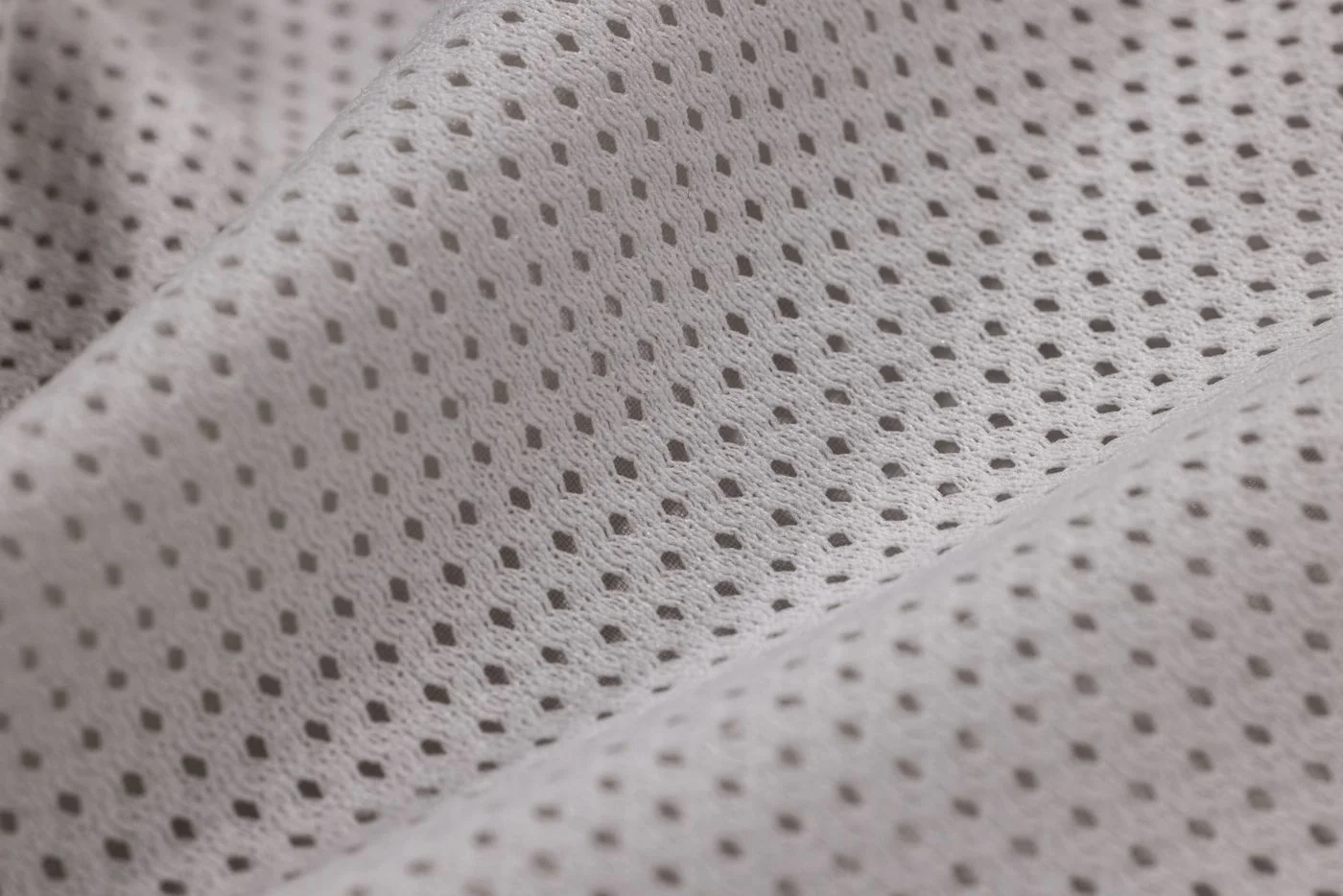
Kaşkorse is a dense double-plate interlock. Two needle beds knit two interlocked layers at once, producing a fabric that is smooth on both faces, heavier in the hand than a single jersey, and dimensionally stable. There is no brushing step — the softness comes from the tight interlock structure, not from a raised pile. That is the core distinction buyers need to grasp.
Where a three-thread brushed fleece gives you warmth and a plush, sporty inner face, kaşkorse gives you a sleek, refined surface and a cleaner drape. It photographs well, takes print and embroidery crisply, and lends a garment a more considered, premium feel. For brands positioning above the basic-sweat tier, that difference is exactly the point.
If your range also needs classic brushed weights, the two constructions work well side by side. Our full sweatshirt fabric guide compares kaşkorse against two-thread and three-thread fleece so you can allocate each construction to the right garment in a collection.
Composition and GSM: Choosing the Right Kaşkorse
Two levers shape a kaşkorse order — fibre blend and weight. The table below is the reference our technicians use when a buyer describes a target garment.
| Weight (g/m²) | Common composition | Character | Best-fit garments |
|---|---|---|---|
| 200–220 | 100% cotton | Softer, lighter drape | Dresses, tops, lightweight premium sweats |
| 240–280 | Cotton or cotton–polyester | Balanced body and structure | Elevated hoodies, refined crewnecks |
| 280–300 | Cotton–polyester | Firm, substantial hand | Structured sweats, heavier premium pieces |
On fibre, higher cotton content maximises softness and breathability, which suits next-to-skin premium wear. Adding polyester improves shape retention and reduces shrinkage, useful on heavier structured garments. Because kaşkorse is naturally dense, it rarely needs elastane for body — you would only specify a small share where the cut is slim and must recover after wear.
Why Buy Kaşkorse From an Integrated Manufacturer
With a smooth-faced fabric like kaşkorse, colour and surface consistency are unforgiving — any shade drift or uneven finish shows immediately, because there is no pile to hide it. That is where integrated production earns its keep.
At RT Tekstil, knitting, dyeing and finishing run under one roof in our Istanbul integrated production, backed by our Tekirdağ dyehouse and colour laboratory. We submit a lab-dip for your approval before any bulk dyeing, work to a zero colour deviation standard, and hold that approved shade across every repeat container. For a fabric this smooth, that discipline is the difference between a reorder that matches and one that visibly does not.
The fabric is produced under OEKO-TEX standards and to the export requirements we have met supplying 40+ countries since 1980, with an annual capacity of 8,000 tons behind repeat programs. When kaşkorse becomes a core line for your brand, that capacity is what keeps the same weight and shade available season after season.
A quick sourcing checklist for kaşkorse
- Garment tier: reach for kaşkorse when the piece should feel premium rather than casual-sporty.
- Weight: 200–220 g/m² for tops and dresses, 240–280 g/m² for elevated hoodies, up to 300 g/m² for structure.
- Composition: more cotton for softness, some polyester for stability on heavier pieces.
- Colour discipline: lock a lab-dip early — the smooth face reveals any drift.
- Program planning: confirm your anchor weights so repeats stay consistent across containers.
Request a Sample or a Wholesale Quote
The surest way to judge kaşkorse is to handle it. Send us your target garment, weight and composition, and we will ship a sample of the matching interlock, prepare a lab-dip for your colours, and quote container-scale supply for your collection. Reach our team through the central contact channel on our site. If you are building coordinated sets, our tracksuit fabric supplier page shows how kaşkorse pairs with matching bottoms; for lighter bases, see how it compares with our single jersey fabric range.
Frequently Asked Questions
What exactly is kaşkorse fabric?
Kaşkorse is a dense double-plate interlock knit, typically 200–300 g/m² in cotton or cotton–polyester. The double-plate construction gives it a smooth, velvety, almost suede-like face on both sides, which is why brands reach for it when they want a more refined, premium alternative to a classic brushed fleece.
How is kaşkorse different from three-thread fleece?
Three-thread fleece gets its warmth from a brushed pile on the inner face and usually runs 280–380 g/m². Kaşkorse, at 200–300 g/m², is smooth rather than brushed and denser in structure. Fleece feels plush and casual; kaşkorse feels sleek and elevated. Many collections use fleece for winter heavyweights and kaşkorse for premium, cleaner-looking sweats.
What weight of kaşkorse works best for premium hoodies?
For elevated hoodies and structured sweats, most buyers choose kaşkorse in the 240–280 g/m² band, which balances body and drape. Lighter weights around 200–220 g/m² suit dresses and tops, while the heavier end near 300 g/m² gives a firmer, more substantial garment.
What are your wholesale terms for kaşkorse fabric?
We supply at container scale, generally in the 10 to 100 ton range per order across colours, drawn from an annual capacity of 8,000 tons. A program starts with an approved sample and a lab-dip for your colours, then moves to bulk and container shipment delivered to your port or to your door.
Can you guarantee colour consistency on kaşkorse across reorders?
Yes. Because dyeing and finishing run in our own Tekirdağ dyehouse and colour laboratory to a lab-dip and zero colour deviation standard, we approve the shade before bulk and reproduce it on every repeat. The smooth kaşkorse face shows colour cleanly, so this discipline is what keeps reorders matching the first delivery.
Is kaşkorse fabric OEKO-TEX certified?
Our kaşkorse is produced under OEKO-TEX standards, in the same integrated production where we knit, dye and finish under one roof. That fibre-to-finish control is what these certifications rely on, and it is part of how we have supplied 40+ countries since 1980.