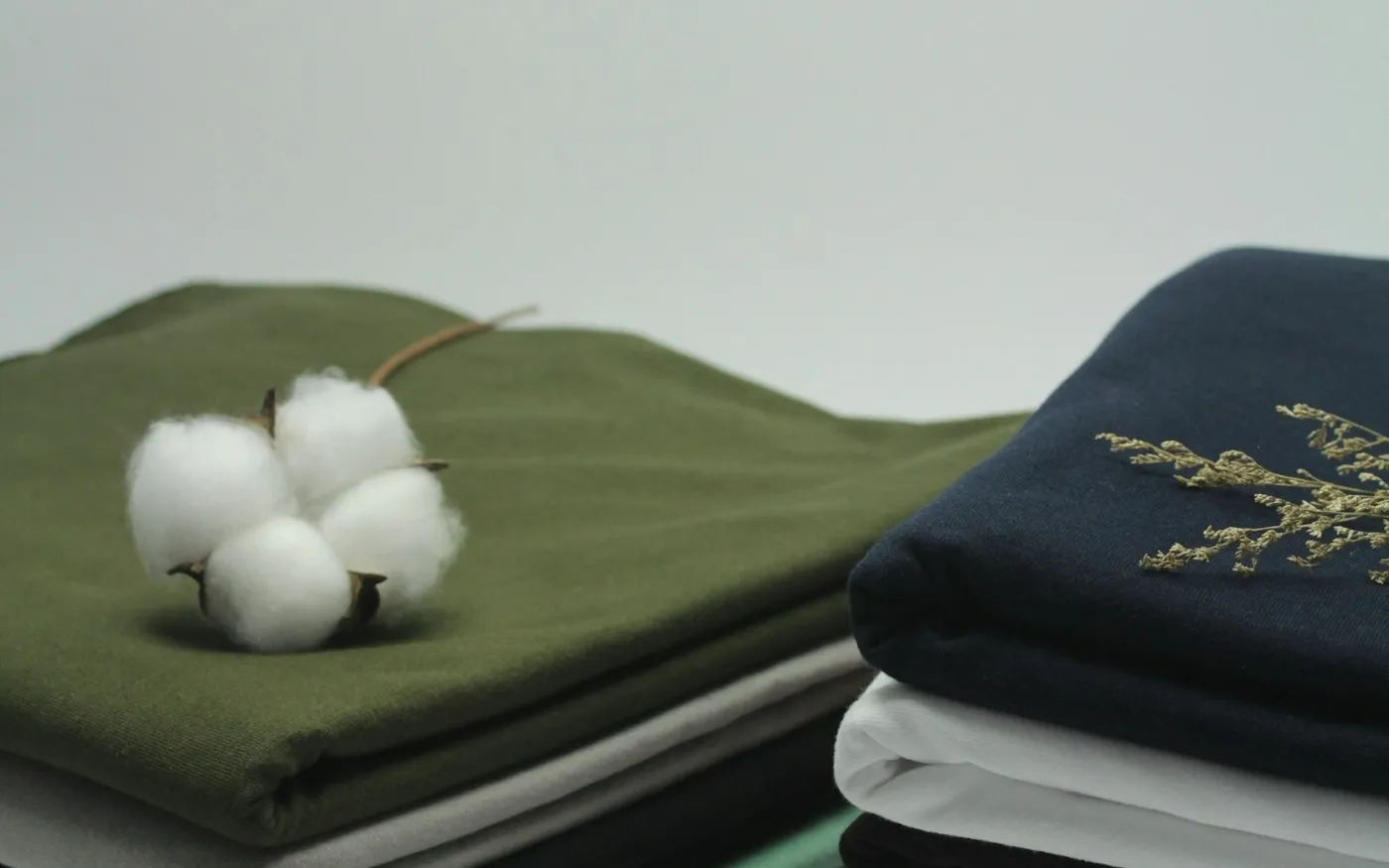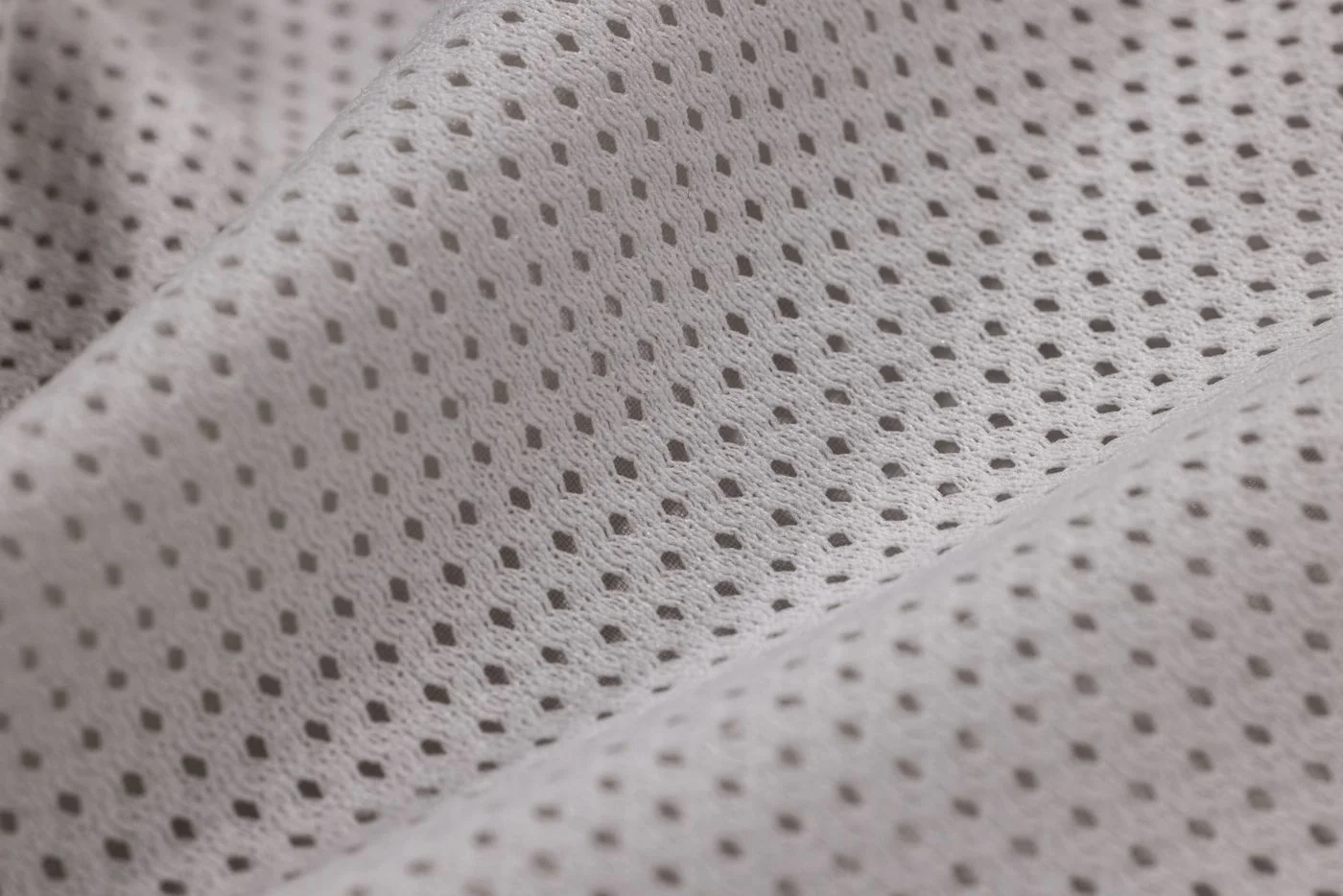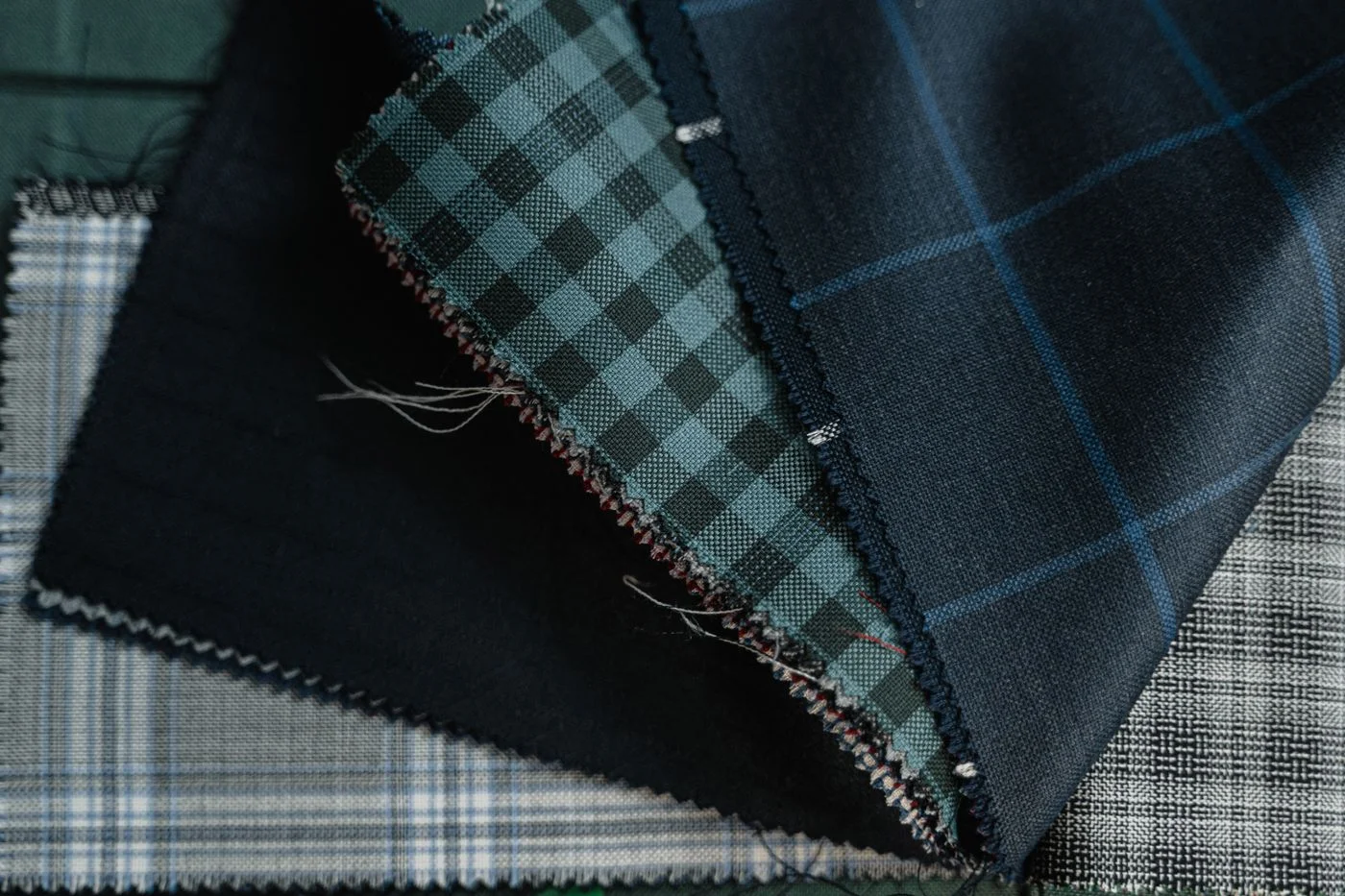

OEKO-TEX Certified Knit Fabric
OEKO-TEX certified knit fabric from an integrated Turkish producer: safe for skin contact, ready for EU and US buyers. Request a sample or container quote.
When a European or American retailer onboards a new apparel supplier, one document is asked for almost every time: proof that the fabric is OEKO-TEX certified. It is the shorthand that tells a buyer the material touching their customer's skin has been tested for harmful substances — and increasingly, without it a fabric does not get onto the shortlist. RT Tekstil has produced knit fabric under OEKO-TEX standards while exporting to 40+ countries since 1980, and this page explains what the certification proves, why EU and US buyers rely on it, and how our integrated production makes it credible.
What OEKO-TEX Certification Proves to Your Buyers
OEKO-TEX is an independent testing standard for textiles that checks a fabric and its components against a defined list of harmful substances and confirms they remain within safe limits for human contact. In practical sourcing terms, it converts an internal quality claim into third-party, documented assurance that your own customers and retail partners recognise.
For a garment brand, that assurance does concrete work. It supports skin-contact and next-to-skin garments, including children's wear, where safety documentation is increasingly non-negotiable. It confirms that the yarn, dye and finish together — not just one component — have been produced to a controlled standard. And it gives your compliance team a recognised reference point instead of an unverifiable promise. In a category where buyers cannot personally inspect a dyehouse, that recognised standard is what lets a sourcing decision move forward with confidence.
Why EU and US Buyers Prioritise Certified Fabric
Certification is not a formality for buyers in the EU and US — it is risk management. These markets combine strict consumer-safety expectations with retailer compliance programs that hold brands accountable for what their garments contain. OEKO-TEX gives those buyers a clean, recognised way to evidence that the fabric has been tested, and that has several direct benefits for the supplier who can provide it.
- It reduces the buyer's compliance risk by documenting substance safety before the garment reaches a shelf.
- It reassures the end customer, who increasingly reads and trusts recognised textile safety marks.
- It speeds up supplier onboarding, because certified fabric clears a check that would otherwise stall the approval.
- It is often a hard requirement, so certified fabric keeps a supplier on the shortlist rather than screened out early.
Behind the certification, four decades of clearing 40+ export markets is its own reassurance: our documentation and consistency have already met a wide range of retail and regulatory demands, not just a single home market's expectations.
Certified Fabric Across the Knit Families
We produce the main knit constructions under OEKO-TEX standards, so a brand can certify a whole collection from one integrated source rather than assembling certified fabric piece by piece. The table below maps the families we supply certified to the garments they build.
| Knit family | Typical composition | Usual GSM band | Common garments |
|---|---|---|---|
| Single jersey | Cotton, cotton-elastane, polyester | 120-220 g/m² | T-shirts, dresses, underwear |
| Piqué (Lacoste) | Cotton or cotton-poly | 180-240 g/m² | Polo shirts, dresses |
| Two- & three-thread fleece | Cotton, cotton-poly, with elastane | 220-380 g/m² | Sweatshirts, hoodies, joggers |
| Rib (Ribana) | Cotton-elastane | 180-260 g/m² | Collars, cuffs, waistbands, bodysuits |
| Interlock / double-knit | Cotton, cotton-poly, polyester | 200-350 g/m² | Premium sweats, structured dresses, activewear |
Whichever family a collection draws on, the specification is confirmed with a physical sample before commitment. Two spokes are especially useful alongside this one: our guide to choosing the right fabric GSM for setting weight, and our page on sweatshirt fabric in fleece constructions for buyers building certified hoodie and jogger programs.
Why Integrated Production Makes the Certification Credible
Here is the point many buyers miss: a certification that tests the whole fabric only means something if one operation actually controls the whole fabric. If a supplier knits greige goods and outsources dyeing and finishing, the chain the certification assesses is split across separate businesses — and consistency across that split is exactly what is hard to guarantee.
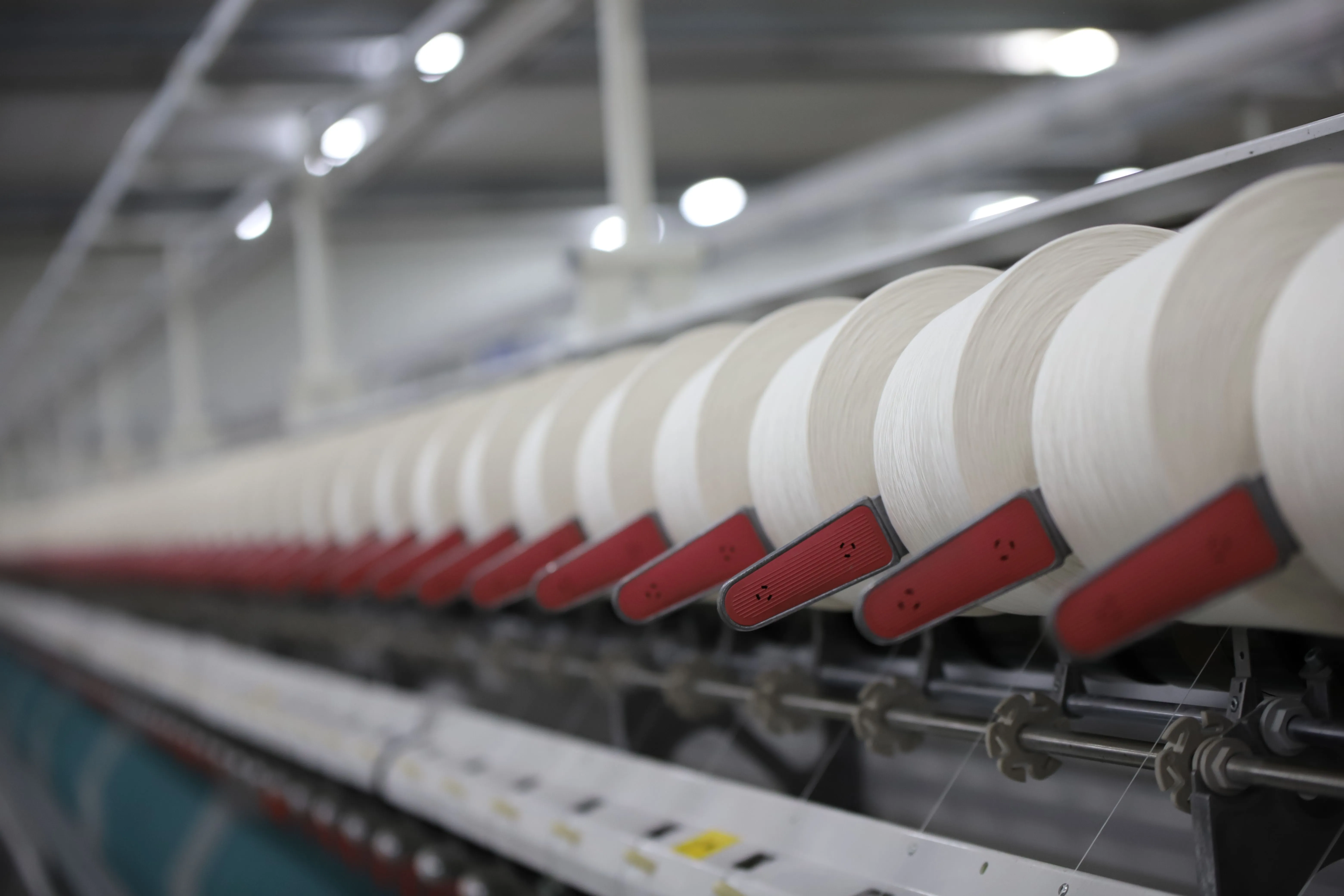
At RT Tekstil, knitting, dyeing and finishing all run under one roof in our Istanbul integrated production, supported by our Tekirdag dyehouse and colour laboratory. That means the yarn selection, the dye recipe and the finishing — the very inputs OEKO-TEX assesses — are all managed in the same operation. The certification is credible because the process behind it is genuinely controlled end to end, not stitched together from sub-contractors.
Running alongside it is our zero-deviation lab-dip process: we submit a lab-dip for your approval before bulk and hold that approved shade across repeat containers. So certified fabric from us is not only safe for skin contact — it is also colour-consistent order after order. For the full account of how these controls fit together, see our overview of fabric quality and certifications.
Request Certified Fabric: Sample or Container Quote
If your program needs OEKO-TEX certified knit fabric, the fastest path is to tell us the specifics. Share the fabric, target GSM and composition your collection needs and the certification your retailer requires, and we will confirm what we can provide for that program, send a hanger sample, prepare a lab-dip for your colours and quote container-scale supply — typically 10 to 100 tons per order from an annual capacity of 8,000 tons. Reach our team through the central contact channel on our site, and we will get certified fabric moving toward your collection.
Frequently Asked Questions
What does OEKO-TEX certification mean for knit fabric?
OEKO-TEX certification means the fabric and its components have been tested against a defined list of harmful substances and confirmed to stay within safe limits for human contact. For a knit-fabric buyer it is independent, documented evidence that the yarn, dye and finish are safe for garments worn against the skin, including next-to-skin and children's wear. It is one of the certifications retailers most often ask apparel suppliers to provide.
Why do EU and US buyers ask for OEKO-TEX certified fabric?
Buyers in the EU and US operate under strict consumer-safety expectations and retailer compliance programs, and OEKO-TEX gives them a recognised, documented way to show the fabric in their garments has been tested for harmful substances. It reduces their compliance risk, reassures their own customers and speeds up onboarding a new supplier. For a brand selling into these markets, certified fabric is often a requirement rather than a bonus.
Is all of your knit fabric produced under OEKO-TEX standards?
Yes. We produce our knit fabric under OEKO-TEX standards across the fabric families, and because we knit, dye and finish under one roof we control every input the certification depends on. That integrated control is what makes the standard credible: the yarn, the dye recipe and the finishing are all managed in the same operation rather than trusted to a separate dyehouse.
Which knit fabrics can you supply as OEKO-TEX certified?
We produce the main knit families under OEKO-TEX standards, including single jersey for t-shirts, piqué for polos, two- and three-thread fleece for sweatshirts and hoodies, rib for trims, interlock and double-knit fabrics. Compositions span 100% cotton, cotton-elastane, cotton-polyester, viscose and polyester, at weights from lightweight jersey around 120 g/m² to heavy fleece up to about 380 g/m².
How does certification connect to your integrated production?
A certification that tests the whole fabric is only meaningful if one operation controls the whole fabric. Because we knit, dye and finish in-house in Istanbul with a Tekirdag dyehouse and colour laboratory, the yarn selection, dye recipe and finishing are all under our control, which is exactly the chain OEKO-TEX assesses. Alongside it we run a zero-deviation lab-dip so certified fabric is also colour-consistent across repeat containers.
How do I start an order for OEKO-TEX certified knit fabric?
Tell us the fabric, target GSM and composition your collection needs and the certification your retailer requires. We will confirm what we can provide for that program, send a hanger sample, prepare a lab-dip for your colours and quote container-scale supply, typically 10 to 100 tons per order from an annual capacity of 8,000 tons. A program usually begins with an approved sample and lab-dip, then a first container.