
Scuba Knit Fabric — What It Is and Where It's Used
What scuba knit fabric is: its double-knit structure, cotton and polyester scuba compositions, GSM ranges and where it is used. See our sourcing guide.
Scuba knit fabric is what gives a bodycon dress its clean, standing silhouette without a single seam of lining. It is a double-knit — two layers interlocked on the machine — and that construction, not a coating or a finish, is where its firm, smooth, memory-holding hand comes from. As a manufacturer that has knitted, dyed and finished scuba under one roof since 1980, we get the same two questions from new buyers: what exactly is it, and which weight do I order? This guide answers both in plain terms.
How scuba knit fabric is made: the double-knit structure
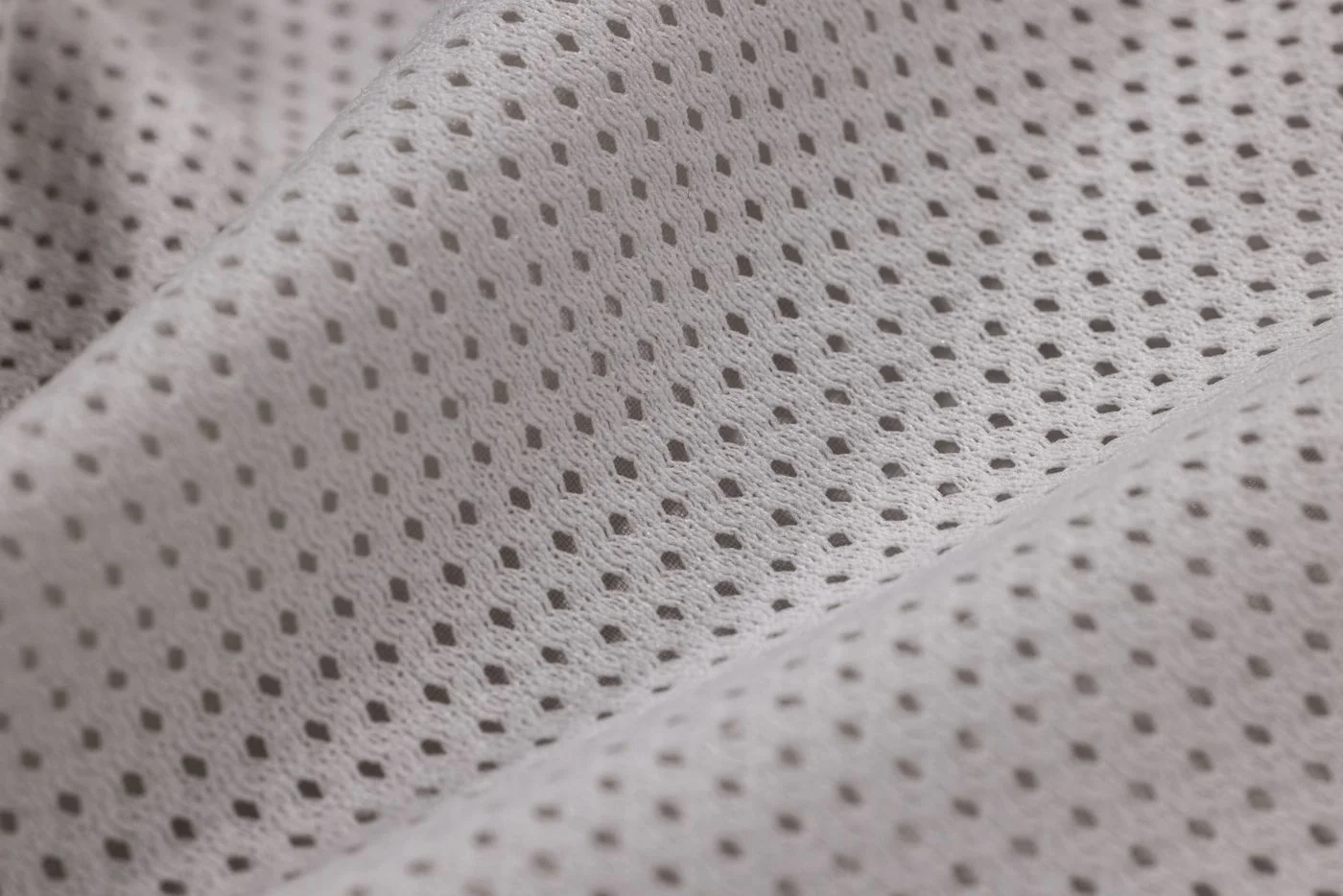
Scuba is knitted on a double-plate (double-knit) machine, which interlocks two sets of loops into a single dense fabric with a smooth face on both sides. That double-layer construction is the whole story: it is what makes scuba thicker and firmer than a single jersey, gives it a slight sponginess, and lets it hold a shape rather than collapsing into folds.
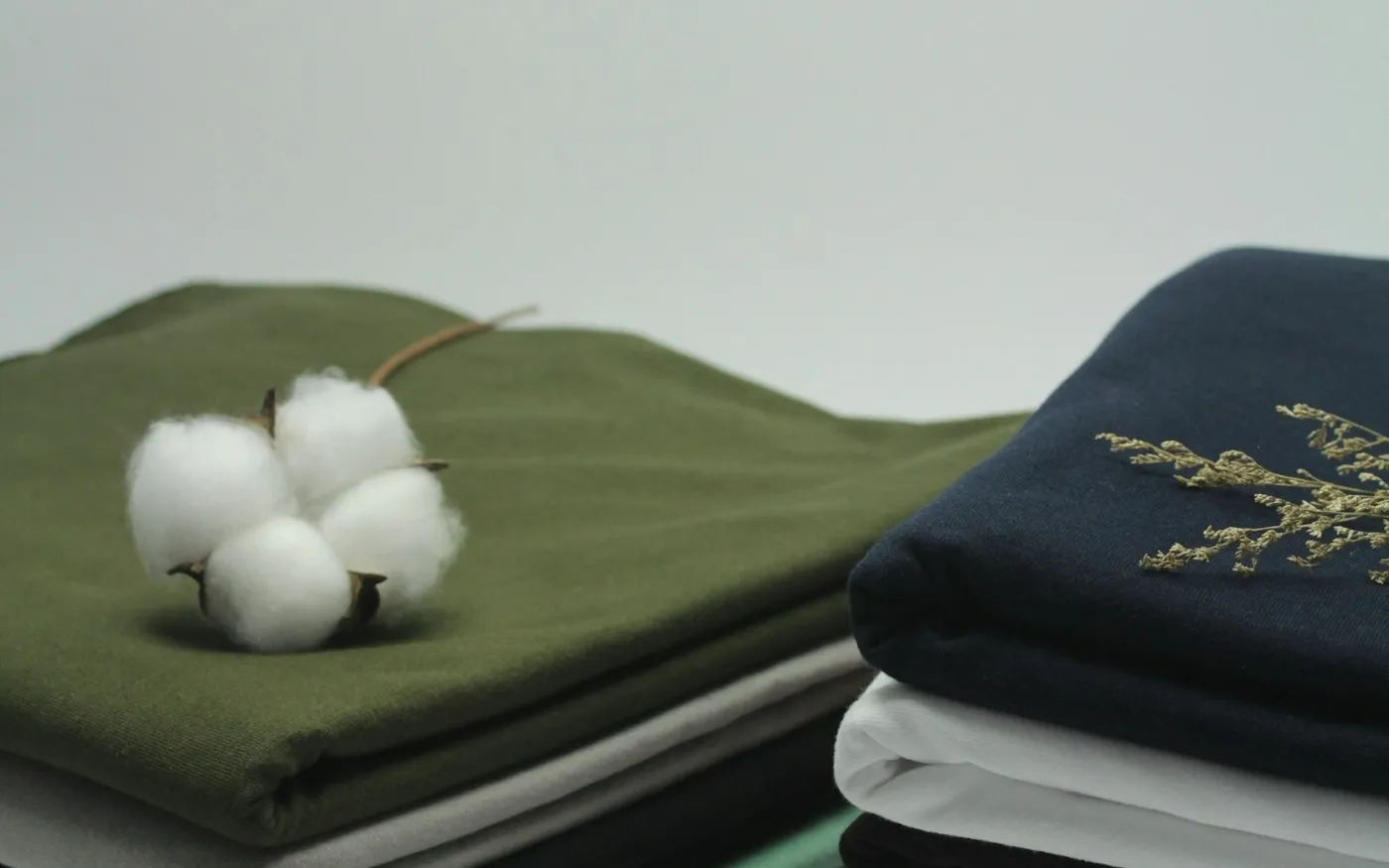
The name is a nod to neoprene, the material in diving wetsuits — the hand is similar, smooth and structured, though textile scuba is far lighter and fully wearable. Almost all scuba carries spandex (elastane), which adds stretch and, more importantly, recovery: the fabric gives to fit the body and springs straight back. Stretch plus a dense knit is why a scuba dress can be cut close and sculpted without bagging at the knee or seat after a day's wear. It is a genuinely different tool from a drapey single-knit, and buyers choose it precisely when they need structure.
Cotton scuba, polyester scuba and classic scuba: the three qualities
"Scuba" is not one fabric but a small family sharing the double-knit structure. The differences in composition change how a garment breathes, prints and hangs, so the choice is worth getting right before sampling.
| Quality | Composition | Weight (g/m²) | What it's best at |
|---|---|---|---|
| Scuba (classic) | Polyester-spandex | 250–350 | Most structure — dresses, skirts, jackets, peplums |
| Cotton scuba | Cotton-heavy + spandex | 250–320 | Breathable dresses and tops for warm markets |
| Polyester scuba | 100% polyester | 220–300 | Printed activewear, sublimation-ready |
Classic scuba (polyester-spandex, 250–350 g/m²) has the firmest hand and the strongest recovery, so it is the default for structured fashion. Cotton scuba (a cotton-heavy blend with spandex, 250–320 g/m²) trades a little snap for breathability and a softer next-to-skin feel — the pick for dresses aimed at hot climates or buyers who want a natural-fibre story. Polyester scuba (100% polyester, 220–300 g/m²) is built for print: the dye bonds to the polyester fibre, so it takes sublimation and all-over prints with sharp, wash-fast colour, making it the base of printed activewear.
Choosing the right scuba GSM for your garment
Weight is the decision that separates a scuba that works from one that disappoints, and it is simpler than it looks: pick the GSM around the silhouette you need.
- Structured dresses, skirts, peplum tops: 280–320 g/m². Heavy enough to stand away from the body and hold a sculpted seam.
- Lighter tops and everyday dresses: 250–280 g/m². Still structured, a little softer on the body.
- Printed activewear (leggings, sets): 220–260 g/m² polyester scuba, so the garment stays light once print and seams are added.
- Jackets and coat-weight pieces: move to doubleface at 280–400 g/m² for a firmer, two-faced hand.
The one rule to remember: below roughly 250 g/m² a classic scuba starts to drape softly and loses the standing structure it is prized for. If a buyer wants that softer fall, cotton scuba near the bottom of its range is the honest choice rather than a thin, under-weight classic scuba pretending to be structured.
Where scuba fabric is used across fashion and sportswear
Scuba earns its place wherever a garment has to hold a shape. In fashion, that means structured dresses, pencil and A-line skirts, peplum tops and soft-tailored jackets — bodycon and occasion pieces that rely on the fabric, not a lining, to sculpt the silhouette. Because the cut edges are stable and do not fray badly, designers also use it for clean bonded-look seams and raw hems.
In sportswear and athleisure, polyester scuba carries printed leggings, sets and statement pieces, where the all-over sublimation print is the design and has to survive repeated washing. Warm-market ranges lean on cotton scuba for dresses and tops that keep the scuba silhouette while breathing better. The through-line is simple: choose scuba when structure matters, and choose the variant by how the garment must breathe and print.
For the full sourcing picture — every quality, the GSM table and how to move from a swatch to a container — see our scuba knit fabric manufacturer overview. If your next question is about coat-weight structure, our doubleface knit fabric explainer covers the two-faced double-knit used for outerwear.
A note on quality: why the maker matters
Scuba is unforgiving of inconsistency. A structured dress is rarely one colour — it is a drop of several shades that must share the same weight, hand and recovery so the garments hang together. In our production, knitting, dyeing and finishing run under one roof, with a dedicated colour laboratory, so every shade in a program is dyed to the same standard and the weight holds lot to lot. Our scuba qualities are produced to OEKO-TEX® Standard 100 requirements, which retail and brand buyers audit for. You can read how we approach this on our page about fabric quality and certification standards.
Frequently asked questions
What is scuba knit fabric made of?
Scuba is a double-knit fabric, most commonly polyester-spandex at 250–350 g/m². There are two main variants: cotton scuba, a cotton-heavy blend with spandex at 250–320 g/m² that breathes better, and polyester scuba, 100% polyester at 220–300 g/m² that is built for sublimation printing. The spandex gives stretch and recovery; the double-knit build gives the firm, structured hand.
Why is it called scuba fabric?
The name comes from its resemblance to neoprene, the material used in scuba diving suits: a smooth, slightly spongy, structured feel. Textile scuba is not neoprene and is far lighter and more wearable, but the hand is similar enough that the name stuck. In the industry it is also called a double-knit or scuba crepe depending on the finish.
Is scuba fabric stretchy and does it hold shape?
Yes to both. The spandex content gives scuba four-way or two-way stretch, while the dense double-knit structure gives it recovery, so it stretches to fit and springs back rather than bagging. That combination is why it holds a sculpted seam and a bodycon or peplum silhouette without a lining, which is its main advantage over a single-knit fabric.
What is scuba fabric used for?
Scuba is used for structured dresses, skirts, peplum tops and soft-tailored jackets, where its firm hand holds a shape without lining. Cotton scuba goes into breathable dresses and tops for warm markets, and polyester scuba into printed activewear such as leggings and sets, because it takes sublimation prints cleanly. Heavier doubleface, a related double-face knit, is used for coats and jackets.
How do I choose the right scuba GSM?
Match the weight to the structure you need. Structured dresses and peplums work best at 280–320 g/m²; lighter tops and printed activewear sit at 220–260 g/m²; coat-weight pieces move to doubleface at 280–400 g/m². Below about 250 g/m² a scuba starts to drape softly and loses the standing structure it is prized for, so pick the GSM around the silhouette, not the other way round.
Can I order a scuba sample before a bulk order?
Yes. We supply a sample yardage in your chosen quality, GSM and shade so your pattern room can confirm hand, weight and colour before committing. Every new program starts with an approved sample, then a formal quote, then a container run of typically 10 to 100 tons, shipped to your port or to your door on agreed terms.