Doubleface Knit Fabric Explained
Doubleface knit fabric has two usable faces and a warm coat-weight drape. We explain the double-face technology, GSM ranges and its use in premium coats.
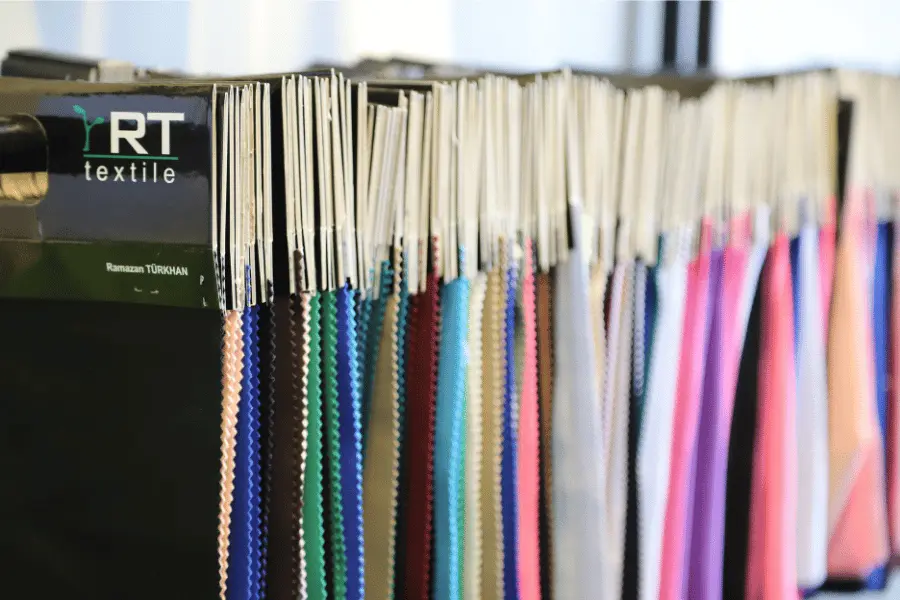
Turn an unlined designer coat inside out and the seams look as finished as the outside — that is doubleface knit fabric doing its job. It is a double-face knit built from two layers so that both sides are a clean, usable face, which is why it has become the go-to for coats and premium apparel that carry a visible reverse. As a manufacturer running knitting, dyeing and finishing under one roof since 1980, we make doubleface at coat weight for buyers across 40+ countries, and this guide breaks down how it works and where it belongs.
The double-face technology: two finished sides, one fabric
Doubleface is exactly what the name says: a knit engineered so both faces are finished and presentable, rather than one "right" side and a plain back. It is built from two layers knitted or bonded together, and the construction can be worked so the layers are joinable for seaming yet separable where a garment maker wants a clean, hidden join.
That dual-face construction is what sets it apart from an ordinary knit. On a standard single- or double-face jersey, the reverse is an afterthought — fine under a lining, not fine on show. Doubleface removes the need for a lining altogether: the inside of the coat is already a finished surface, so a designer can build a lighter, cleaner garment with the reverse face on display at the lapel, cuff or hem. It also gives the fabric its characteristic body and warmth, because two layers hold more air and more weight than one.
Doubleface GSM and composition: a coat-weight knit
Doubleface is a heavier fabric by design, typically a cotton or poly blend, run between 280 and 400 g/m². Weight is the main lever, and it maps cleanly onto the garment and the climate it is headed for.
| Weight band (g/m²) | Typical composition | Hand | Best-fit use |
|---|---|---|---|
| 280–320 | Cotton/poly blend | Structured, lighter body | Blazers, jackets, transitional coats |
| 320–360 | Cotton/poly blend | Warm, full-bodied | Coats, capes, premium cardigans |
| 360–400 | Cotton/poly blend | True coat weight, warmest | Winter coats, statement outerwear |
How the two compare in practice: the lighter end, around 280–320 g/m², behaves like a structured jacket fabric and suits blazers and transitional-weather coats where you want body without bulk. The heavier end, 360–400 g/m², is a true winter coat weight with real warmth and a luxurious fall. Composition follows the brand story and the destination — a cotton-rich blend for a soft, natural hand, a higher-polyester blend for extra shape retention and durability on a hard-wearing outerwear program.
Where doubleface fabric is used: coats and premium apparel
Doubleface belongs wherever a finished reverse face and a warm, structured drape earn their keep. Its home is outerwear: coats, capes, blazers and jackets, especially the unlined and minimal-seam designs that have made doubleface a signature of premium tailoring. Because the inside is already clean, garment makers can cut lighter, less bulky coats and show the reverse at the lapel or cuff.
Beyond outerwear, it moves into premium apparel that wants a heavier, more luxurious hand than a single-face knit can give: structured cardigans, elevated dresses and separates where the weight itself reads as quality. The one constant is intent — buyers reach for doubleface when the reverse side and the coat-weight drape are part of the design, not a compromise.
If your program needs a lighter structured hand instead — for dresses, skirts or printed activewear — the related scuba knit fabric range is the better starting point, and our explainer on what scuba knit fabric is and where it is used lays out the differences in plain terms.
Sourcing doubleface: why the maker matters
A coat-weight double-face knit is only as good as its consistency. Both faces have to finish evenly, the weight has to hold across a run, and every shade in a season has to match so a rail of coats looks like one collection. In our production, knitting, dyeing and finishing run under one roof with a dedicated colour laboratory, so both faces are finished to the same standard and shades hold lot to lot. Our doubleface qualities are produced to OEKO-TEX® Standard 100 requirements, backed by 8,000 tons of annual capacity and 40+ years of manufacturing since 1980. For the wider picture on sourcing knit fabric from Turkey, see our overview as a knit fabric supplier in Turkey.
Frequently asked questions
What is doubleface knit fabric?
Doubleface is a double-face knit made of two layers bonded or knitted together so that both sides are a finished, usable face. It is a heavier fabric, typically a cotton or poly blend at 280–400 g/m², with a rich, warm, coat-weight drape. Because both faces are clean, garments can be made with unlined, reversible-style construction where the inside looks as finished as the outside.
What is the difference between doubleface and scuba?
Both are double-knits, but they serve different jobs. Scuba is lighter at 220–350 g/m² with a firm, spongy hand for structured dresses and activewear. Doubleface is heavier at 280–400 g/m² with two finished faces and a warmer, coat-weight drape for outerwear and premium apparel. In short, choose scuba for structured shape and doubleface for warmth, weight and a clean reverse.
Is doubleface fabric really reversible?
The fabric itself has two finished faces, so both sides are presentable, which is why it is often used for unlined coats where the inside is on show at the lapel or cuff. Whether a finished garment is fully reversible depends on how it is cut and sewn, since the two layers can be separated for clean seams and pockets. Many doubleface coats are made to look finished inside and out without being worn both ways.
What GSM is doubleface knit fabric?
Doubleface runs at 280–400 g/m². The lighter end, around 280–320 g/m², suits structured jackets and blazers and transitional-weather coats; the heavier end, 340–400 g/m², is a true coat weight with more warmth and body. The exact weight depends on the garment and the destination climate, which we confirm with a sample yardage before a bulk order.
What is doubleface fabric used for?
Doubleface is used for coats, jackets, blazers, capes and premium apparel where a clean reverse face and a warm, structured drape matter. It is popular for unlined and minimal-seam coat construction because the inside face is already finished. It also appears in premium cardigans and structured dresses that want a heavier, more luxurious hand than a single-face knit.
Can I order a doubleface sample and a container quantity?
Yes. We supply a sample yardage in your chosen composition, GSM and shade so your pattern room can confirm the hand and both faces before committing. Every program starts with an approved sample and a formal quote, then a container run of typically 10 to 100 tons, shipped to your port or to your door on agreed Incoterms.