
Why Turkish Knit Fabric for European Brands
Why Turkish knit fabric wins for EU brands: shorter lead times, integrated production and OEKO-TEX consistency versus Far East mills. Request a sample.
A European brand that switches its knit fabric sourcing from the Far East to Turkey usually notices the same thing first: the calendar loosens. Fabric that used to sit on a ship for weeks now arrives by road in days, reorders become realistic mid-season, and the cash locked in transit shrinks. That single shift in distance is why Turkish knit fabric has become a default choice for so many EU labels, but proximity is only the headline. Beneath it sits a deep, vertically integrated industry, strong cotton access and decades of export discipline. Drawing on over forty years of supplying more than 40 countries, this guide sets out exactly why Turkey earns that place on a European sourcing shortlist.
The Proximity Advantage: Lead Time, Cash and Reorders
For a fashion brand, the enemy is rarely the fabric itself; it is the clock. A collection has a launch window, and every week of freight eats into it. This is where Turkey's position next to Europe changes the arithmetic.
Sea freight from the Far East to a European port typically runs into several weeks before the fabric even clears and moves inland. Road transport from Turkey reaches most of the EU in a matter of days. That gap does three practical things at once for a European brand.
- It shortens the total lead time, so a design approved this month can be in stores this season rather than the next.
- It frees up cash that would otherwise sit idle in a container crossing an ocean for weeks.
- It makes reorders realistic. When a style sells, a short pipeline lets you restock the same GSM and colour before the trend cools, instead of missing the window entirely.
None of this asks a brand to accept lower quality in exchange for speed. That is the distinction that matters, and it comes down to how Turkish mills are built.
Integrated Production: Where Turkish Speed Actually Comes From
Short freight time is half the story. The other half is what happens inside the mill before the fabric ships, because an outsourced production chain can quietly give back every day that geography saves.
In a fragmented model, a knitter produces greige fabric, ships it to a separate dyehouse, which then sends it to a third party for finishing. Each hand-off adds queue time, transport and a fresh chance for colour or hand-feel to drift. Integrated production removes those seams. At RT Tekstil, knitting, dyeing and finishing all run under one roof in our Istanbul integrated production, supported by our Tekirdag dyehouse and colour laboratory. Because we own each step, we schedule them back to back and control the fabric from yarn to finished roll.
For a European buyer this integration delivers two things that a trading intermediary cannot. Colour approved as a lab-dip is reproduced by the same dyehouse that finishes the bulk, so what you sign off is what you receive. And when you need to move quickly, there is no waiting on a third party's queue between processes. Our overview of the knit fabric market and how to source it puts this integrated model in the wider context of choosing where to buy.
Turkey vs Far East: The Sourcing Trade-offs
Laid side by side, the choice between a nearby integrated Turkish mill and a distant Far East supplier becomes a clear framework rather than a matter of habit. This is the same comparison our team walks through with European buyers weighing the two.
| Sourcing factor | Turkey (integrated mill) | Far East supplier |
|---|---|---|
| Transit time to the EU | Days by road | Several weeks by sea |
| Reorder speed | Fast, in-season restock | Slow, long pipeline |
| Cash tied up in transit | Low | High |
| Production model | Knit, dye, finish under one roof | Often split across separate parties |
| Colour control | Lab-dip to bulk in one dyehouse | Harder across hand-offs |
| Sample and approval rounds | Quick, close communication | Slower over distance |
| Best fit for | Trend-driven, quality-led EU ranges | Very large, long-lead commodity runs |
An honest note: for enormous, price-first commodity volumes on a long planning horizon, a Far East mill can still make sense. Turkey's advantage is sharpest for brands that value shorter lead times, tight colour control and the ability to react to demand within a season.
Cotton, Certification and Export Discipline
Speed and integration would count for little if the fabric underneath were not right. Turkey's knit industry rests on foundations that suit European requirements directly.
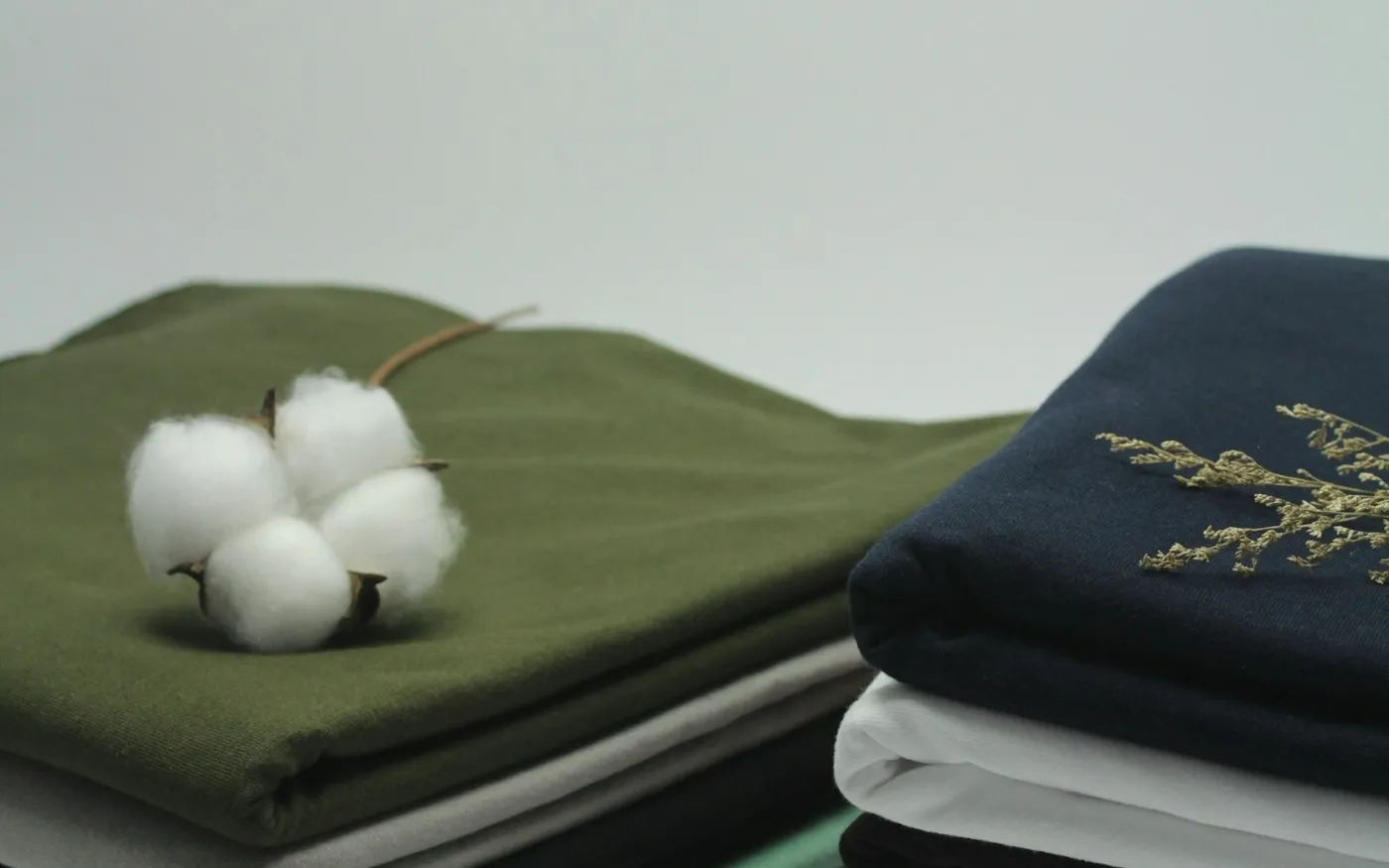
The country has strong access to cotton and a mature spinning and knitting base, which matters for the cotton-rich single jersey, fleece and rib fabrics that fill most European ranges. Just as important, Turkish export mills work to recognised standards. At RT Tekstil all fabric is produced under OEKO-TEX standards, with controlled colour fastness and a lab-dip process aiming for zero colour deviation between your approved shade and the delivered bulk. For a brand placing garments next to a customer's skin and answering to EU market expectations, that documented consistency is not a nice-to-have; it is the baseline. Over forty years of exporting to more than 40 countries has shaped a way of working around exactly these demands.
Request a Sample or Talk Through Your Collection
The fastest way to judge whether a Turkish mill fits your programme is to handle the fabric and see the colour on your own reference. Tell us the fabric family, target GSM, composition and the colours for your collection, and we will send a sample, prepare a lab-dip and quote container-scale supply delivered to your port or door. To go deeper on choosing the right partner, see our guide to the best knit fabric supplier for EU and US brands. Reach our team through the central contact channel on our site and we will help you build a sourcing plan around real demand.
Frequently Asked Questions
Why do European brands source knit fabric from Turkey?
Turkey sits close to the EU, so knit fabric reaches a European brand in days rather than the weeks a sea shipment from the Far East takes. That proximity shortens lead times, cuts the cash tied up in transit and makes fast repeat orders realistic when a style sells. Turkey also has a deep, vertically integrated knit industry with strong cotton access and export experience, so brands get short lead times without giving up quality or reliable colour.
Is Turkish knit fabric good quality?
Yes. Turkey has a long-established knitting and dyeing industry built around export standards, and mills routinely work to OEKO-TEX and controlled colour fastness. At RT Tekstil, knitting, dyeing and finishing run under one roof in our Istanbul integrated production, supported by our Tekirdag dyehouse and colour laboratory, so each specification is held steady from the first sample to repeat containers. The result is fabric a European brand can put next to the skin and rely on across seasons.
How much faster is a Turkish mill than a Far East supplier?
The largest saving is in freight time. Sea shipment from the Far East to Europe typically takes several weeks door to port, while road transport from Turkey reaches most of the EU in a matter of days. On top of that, an integrated Turkish mill knits, dyes and finishes in one place, avoiding the hand-offs between separate knitter, dyehouse and finisher that stretch out an outsourced production chain. For a brand chasing a season, the difference decides whether a reorder lands in time.
Does closer sourcing help with minimum order quantities?
Indirectly, yes. Because a Turkish mill is close and lead times are short, a brand can commit to a sensible first order and reorder quickly rather than over-buying to cover a long ocean pipeline. That reduces the risk of holding excess stock of a colour or GSM that did not sell. We supply at container scale for volume programmes and can align batch planning to your collection so you order to real demand instead of to freight timetables.
Is it easier to manage colour and specification with a Turkish supplier?
It is, for two reasons. First, integrated production keeps colour approval and finishing under the same roof, so a lab-dip approved for your shade is reproduced by the same dyehouse that finishes the bulk. Second, proximity to Europe makes sample rounds and communication quicker, so approvals move in days. Our colour laboratory prepares lab-dips to your reference and aims for zero colour deviation between the approved dip and the delivered fabric.
Can RT Tekstil supply European brands directly?
Yes. RT Tekstil has exported knit fabric to more than 40 countries for over forty years, including brands across the EU, and we ship at container scale delivered to your port or door. Tell us the fabric family, target GSM, composition and colours for your collection and we will send a sample, prepare a lab-dip and quote volume supply. Everything is produced under OEKO-TEX standards in our own integrated facility, with contact handled through the central channel on our site.