
Pique (Lacoste) Fabric for Polo Shirts
Pique (lacoste) fabric gives polo shirts their waffle texture. Learn composition, GSM and end uses, plus how to pick a reliable supplier and request a sample.
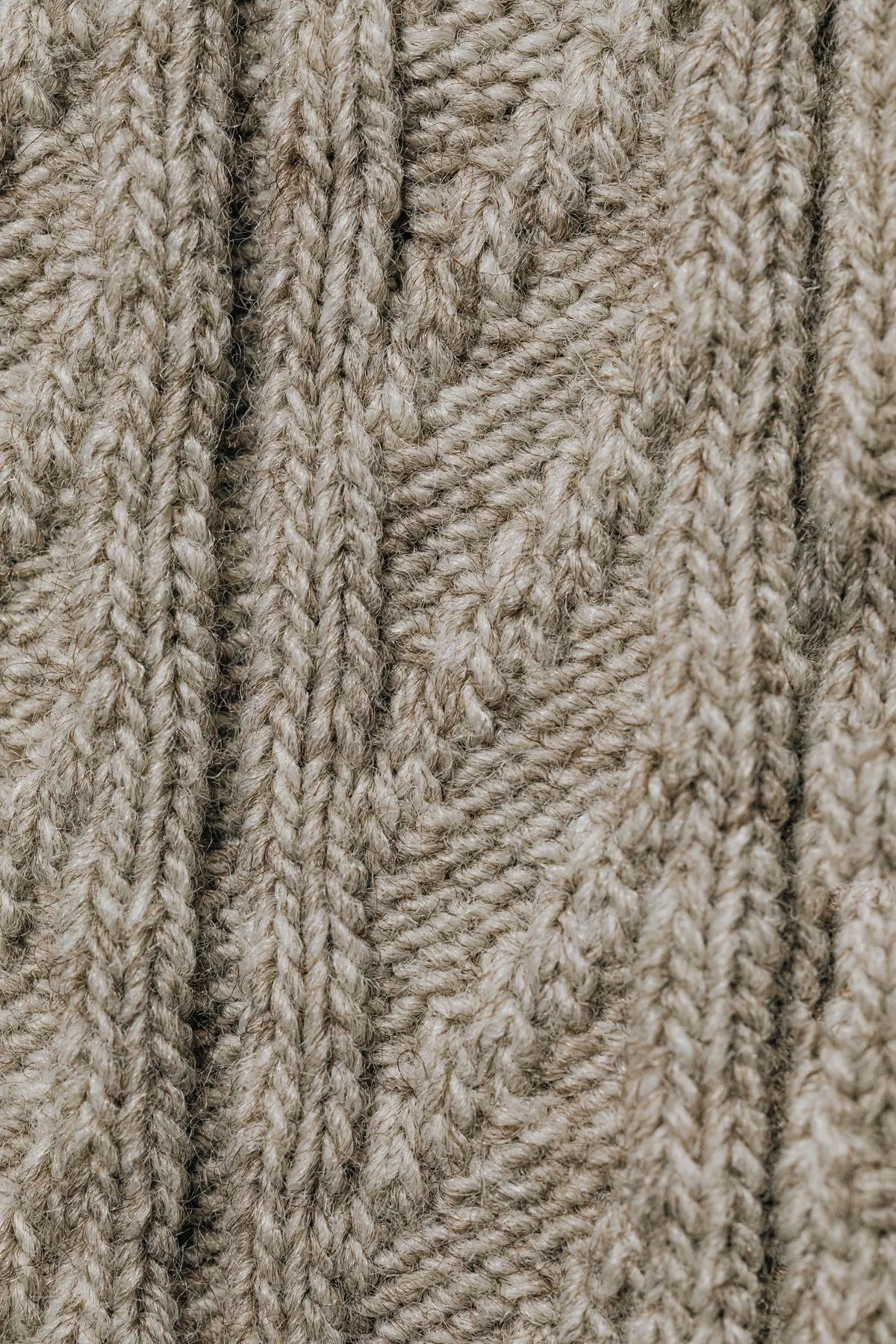
The waffle texture that tells your eye "polo" before you read the label is pique lacoste fabric. It is a piqué knit — small interlocking loops that raise a fine grid on the surface — and it is the reason a polo drapes, breathes and holds a chest logo differently from a plain T-shirt. In our production, pique is one of the qualities we knit, dye and finish most often for export apparel buyers, so this guide is written from what actually cuts well on the table, not from a catalogue.
What pique lacoste fabric is, and how it is knit
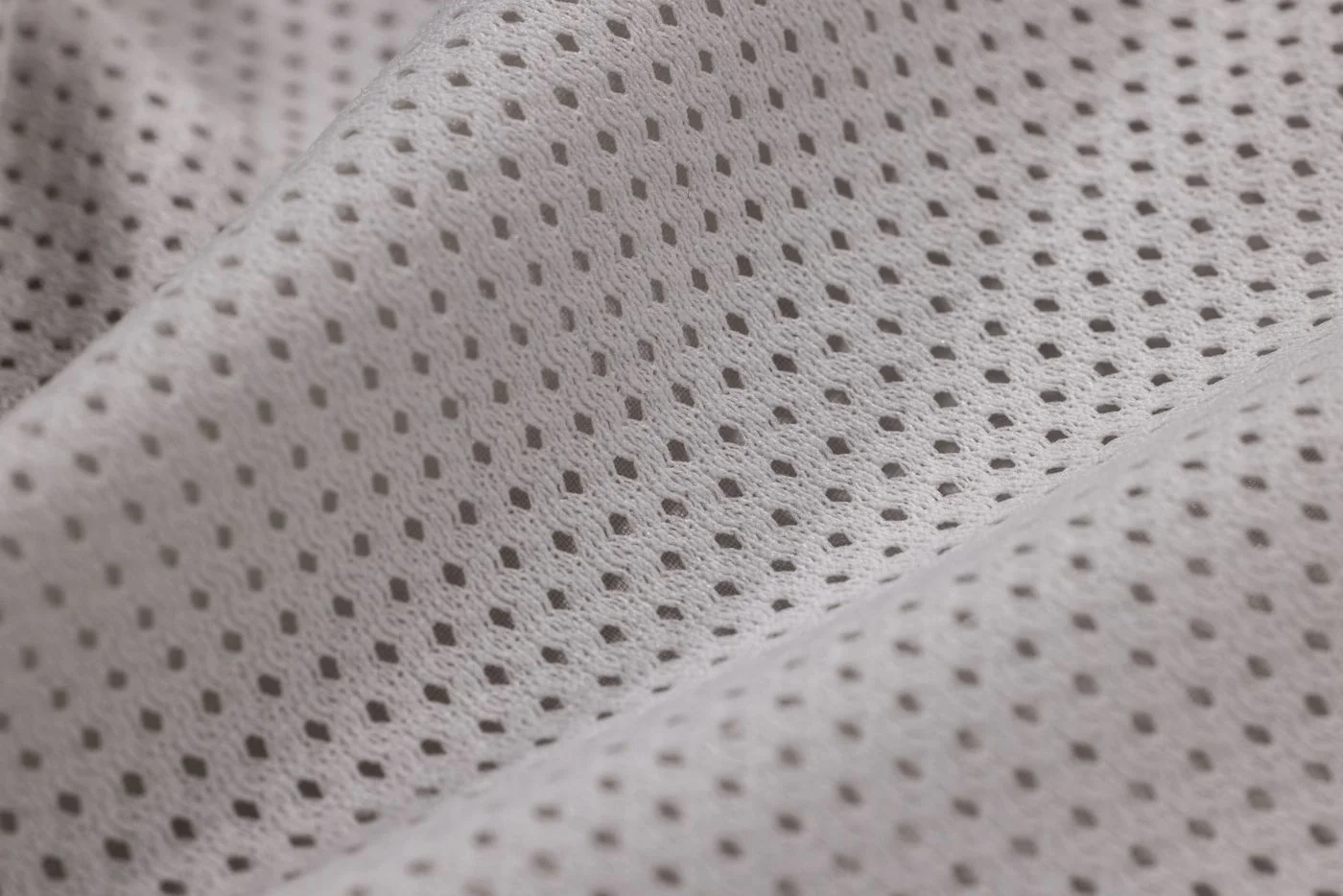
Pique is a weft-knit structure built on a piqué stitch. Where single jersey lays flat and smooth, pique tucks and floats loops in a repeating pattern so the surface stands up in a small honeycomb or waffle. That structure does three useful things for a polo. It gives a firmer, drier hand that resists clinging in heat. It creates tiny air pockets, so the fabric breathes. And it presents a stable, textured face that carries embroidery and printed logos cleanly without the mark sinking in.
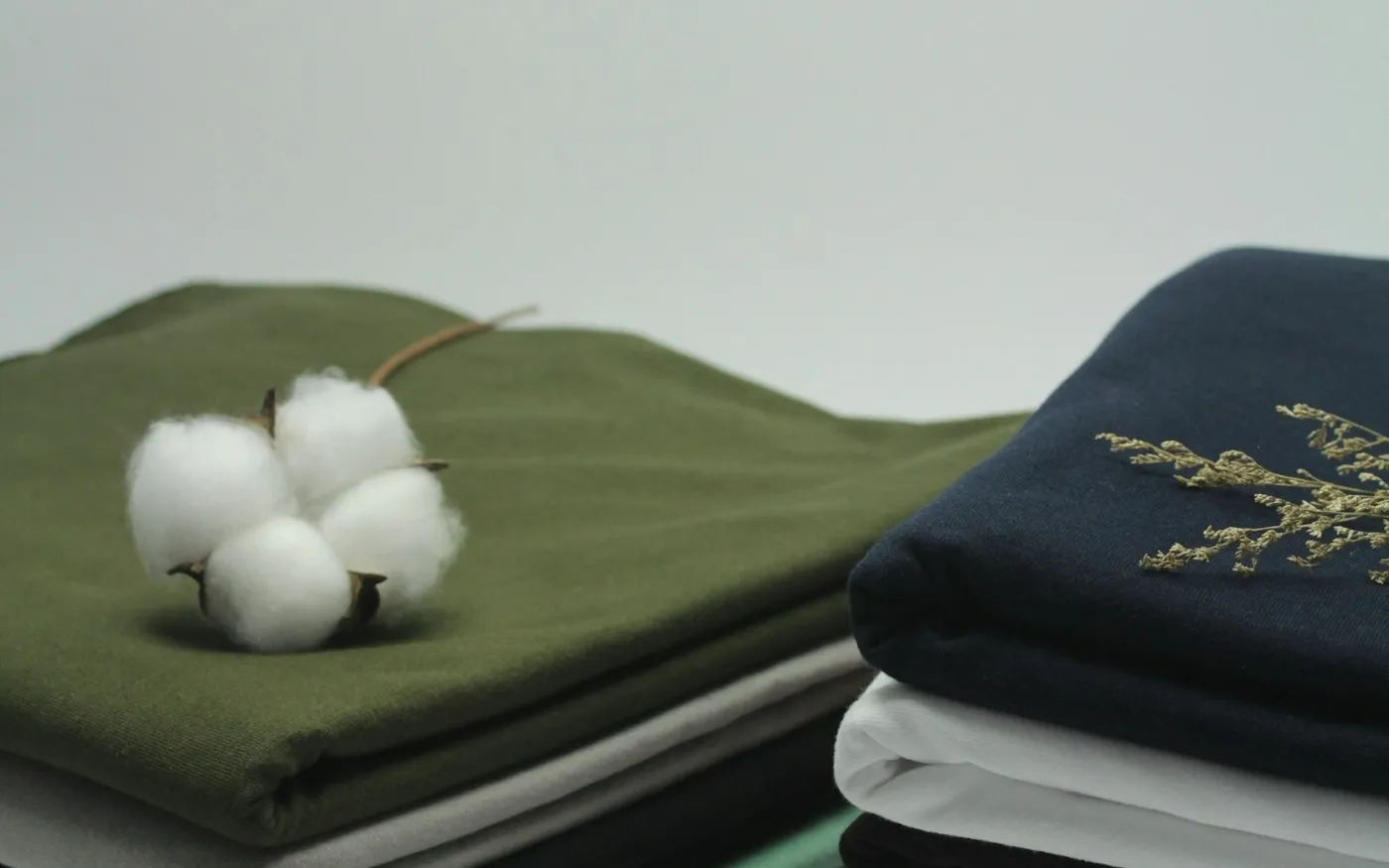
The common name "lacoste" is used across many markets as a generic term for this piqué polo knit. Composition is usually 100% cotton for premium and warm-climate polos, or a cotton-polyester blend when a buyer wants extra wrinkle resistance and shrinkage control on a high-volume run. Both are standard qualities for us, and the choice is a sourcing decision, not a quality ranking.
Composition, GSM and end use at a glance
Weight is the first spec a buyer should fix, because it drives hand, breathability, price and how the placket sits. Here is the working range we run for pique, next to the two fabrics it usually shares a garment with.
| Fabric | Composition | Weight (g/m²) | Typical use |
|---|---|---|---|
| Pique (lacoste) | 100% cotton / cotton-poly | 180–240 | Polo shirts, polo dresses |
| Rib (ribana) | Cotton-elastane | 180–260 | Matching collars and cuffs |
| Single jersey (comparison) | 100% cotton / cotton-poly | 120–220 | T-shirts, not polos |
How to read that in practice: a pique under about 190 g/m² is light and economical but shows the placket seam and can feel thin in the hand; 200–220 g/m² is the reliable middle for classic and corporate polos; 220–240 g/m² reads as premium and holds structure best. Below the polo, the single-jersey row is there to make the point — that smooth 120–220 g/m² knit is a T-shirt fabric, not a polo one, which is exactly why buyers move to pique when they brief a polo range.
Common mistakes when sourcing pique for polos
Most complaints we hear from buyers who switched suppliers trace back to a small handful of avoidable errors. Worth checking your own brief against them before you order.
- Matching body and collar from different mills. Split-sourced pique and rib rarely land in the same shade or shrinkage, and the finished polo looks two-tone. Order the body and the matching trim from one integrated producer.
- Choosing GSM by price alone. The cheapest light pique can undercut the whole garment's perceived value. Fix the weight to the market first, then negotiate.
- Skipping the sample. Approving a photo or a generic swatch instead of a lab-dip in your own shade is how color surprises reach the container.
- Ignoring shrinkage data. Without a tested residual-shrinkage figure, the pattern room grades blind. Ask for it up front.
For the matching finishing fabric, see how we make rib collar and cuff trims for apparel, and for the full family — pique, rib and trims together — start from our rib and pique knit fabric overview.
An RT note on getting pique right the first time
Here is what we have learned over 40+ years of supplying knit fabric to more than 40 countries: a good polo is decided before the bulk run, in the lab-dip and the sample. Because we knit, dye and finish under one roof in our Istanbul integrated production, with a dedicated color laboratory in Tekirdağ, we dye the pique body and its rib trim to one standard and target zero color deviation between them. Our pique qualities are produced to OEKO-TEX® Standard 100 requirements, which is what EU and brand buyers audit. If you are choosing a producer, that single-source, sample-first approach is what separates a clean polo program from a two-tone one — a point we cover more broadly in our guide to being a reliable knit fabric supplier in Turkey.
Request a pique fabric sample or a container quote
The honest way to start is a sample, not an order. Tell us your target GSM, composition (100% cotton or cotton-poly), colors and tonnage through our central contact page, and we return a lab-dip plan, a price per kilogram or meter, and a realistic lead time. We supply at container scale — typically 10 to 100 tons per program — and ship to your port or to your door on agreed Incoterms. Once the sample is approved, the bulk pique fabric run follows.
Frequently asked questions
What is pique lacoste fabric?
Pique, often called lacoste, is a piqué knit with a small raised waffle texture. It is typically 100% cotton or a cotton-polyester blend, knit between 180 and 240 g/m². The texture and firmer, drier hand are what make it the standard fabric for polo shirts, as opposed to plain single jersey used for T-shirts.
What is the best GSM for a polo shirt?
For classic and promotional polos, 190 to 220 g/m² is the working range: light enough to breathe in warm markets, heavy enough to hold a clean placket and collar. Premium polos move to 220–240 g/m² for a fuller hand. The right weight depends on your market and cut, so we send a sample in your target GSM to confirm.
Is 100% cotton or cotton-polyester pique better?
Neither is simply better; it depends on the brief. 100% cotton pique breathes best and feels premium, ideal for hot climates and upmarket polos. A cotton-polyester pique adds wrinkle resistance, lower shrinkage and more color stability on high-volume promotional runs. We knit both, so you can match the composition to the end use.
Does pique fabric shrink?
All cotton knits move somewhat, but controlled finishing keeps it predictable. Our finishing sets the fabric to a stable width and residual shrinkage, and we can supply the tested value for your specific quality so your pattern room grades correctly. A cotton-poly pique generally shrinks less than pure cotton.
How do I choose a reliable pique fabric supplier?
Look for integrated production so the pique body and its rib collar-and-cuff trim are dyed in the same lot and match, verifiable certification such as OEKO-TEX®, real container-scale capacity, and a willingness to send an approved sample before bulk. Split sourcing of body and trim is the most common cause of two-tone polos, so single-source matters.
Can I get a sample before ordering a container?
Yes, and you should. We start every new polo program with a lab-dip and an approved fabric sample in your target GSM and shade before any bulk is booked. Once you sign off, we run the container order and ship to your port or to your door on agreed terms.