
Sustainable Fabric and Eco Dyeing Explained
Sustainable fabric and eco dyeing explained: how integrated production saves water and energy without losing quality, plus OEKO-TEX. Request a sample today.
Ask any European sourcing team what has changed most in the last few years and the answer is the same: the questions about how a fabric is dyed now arrive before the price does. Sustainable fabric and eco dyeing have moved from a nice-to-have to part of qualifying a supplier at all — buyers want to know where the water and energy go, what chemistry touched the cloth, and whether the mill can show it. This guide explains what those terms actually mean at the loom and the dyehouse, and how an integrated producer reduces the footprint without giving up quality. At RT Tekstil we dye and finish under one roof in our Istanbul integrated production, with a color laboratory in Tekirdag, and since 1980 we have supplied knit fabric to more than 40 countries — increasingly to buyers who audit exactly these questions.
The aim here is to cut through the vocabulary. We will separate what "sustainable" genuinely means for knit fabric from what is just a label, explain how eco dyeing works in practice, and show why doing color right the first time is both the greener and the higher-quality path. This is background reading for a sourcing decision, not a spec sheet — when you are ready for numbers, our team can quote a specific quality.
What "sustainable fabric" actually means at the mill
Most of a knit fabric's environmental footprint is not decided at the knitting machine — it is decided at the dyehouse and finishing line, where water, energy and chemistry are used most heavily. So when a buyer asks for a more sustainable fabric, the meaningful levers are concentrated in a few places.
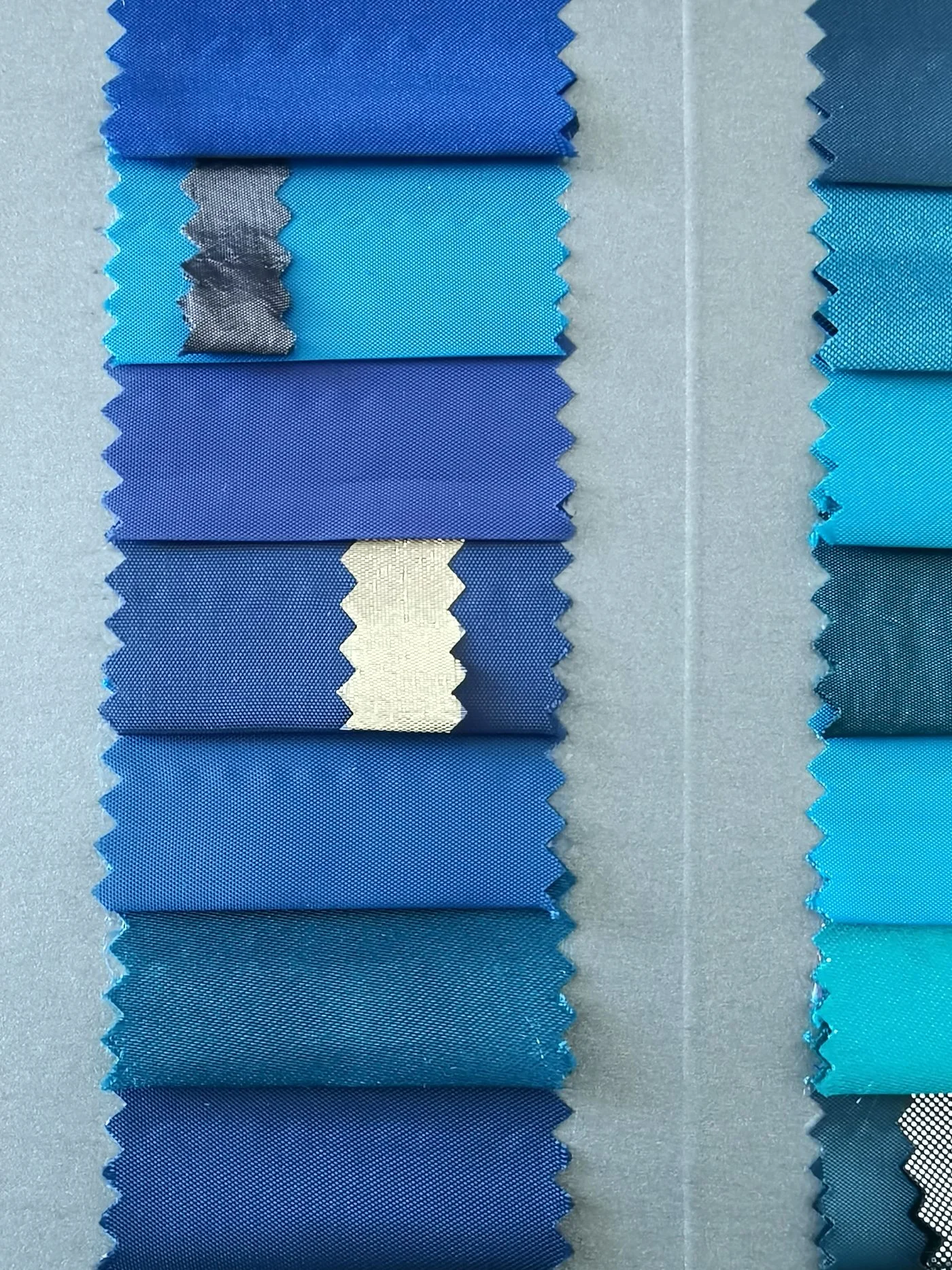
Right-first-time color. The single biggest source of waste in fabric coloring is redye — running a batch again because the shade missed. Every redye doubles the water, energy and chemistry for that cloth. Approving color on a lab-dip before bulk, and holding it to one standard, is therefore an environmental measure as much as a quality one: the most sustainable dye run is the one you only do once.
Efficient, controlled dyeing. Reducing the water and energy used per kilogram of fabric, through well-managed dye processes, lowers the footprint of every roll. Controlled dyeing also produces more consistent cloth, so the efficiency and the quality move together rather than against each other.
Tested, compliant chemistry. Sustainability is not only about resources; it is about what is in the fabric. OEKO-TEX® Standard 100 certifies testing for harmful substances against defined limits — a human-ecological credential that EU buyers increasingly require. Our cotton and cotton-elastane qualities are produced to those requirements.
Durability. Cloth that keeps its shade, hand and shape through many washes stays in service longer, and a garment that lasts is a garment not replaced. Good finishing is a quiet part of the sustainability story that rarely gets counted.
Eco dyeing in practice: efficiency, not just a label
"Eco dyeing" gets used loosely, so it helps to define it as a set of concrete reductions rather than a badge. In a real dyehouse it means using less water and energy per kilogram, avoiding rework, and running chemistry that meets recognized human-ecological limits. None of that is a single certificate; it is how the process is run day to day.
This is where integrated production matters. Because knitting, dyeing and finishing sit under one roof, the fabric is not trucked between sites and requeued — which removes transport and handling from the chain — and one dyehouse with one color lab owns the shade for the whole order. That control is what makes right-first-time color achievable at scale: the lab-dip is developed, approved and then matched in the same plant that runs the bulk. You can see how that color discipline works on our page about color management and lab-dip control, and how the wider model fits together in integrated knit, dye and finish production.
The table below separates a genuine sustainability lever from the marketing version, so a buyer can ask the right questions.
| Topic | Marketing version | What actually reduces impact |
|---|---|---|
| Color | "Vibrant eco colors" | Right-first-time via lab-dip; no redye, no doubled resources |
| Dyeing | "Green dyeing" | Lower water and energy per kilogram through controlled process |
| Chemistry | "Chemical-free" (rarely true) | OEKO-TEX® Standard 100 tested to defined limits |
| Logistics | "Local and green" | Integrated production removes inter-mill transport and requeues |
| Longevity | "Premium feel" | Durable finish keeps garments in use longer |
Underpinning all of it is scale that makes efficiency worth engineering: 8,000 tons of annual capacity and 40+ years of dyeing experience since 1980. Sustainability at container volume is a matter of process discipline, and that is exactly where an integrated mill has the advantage. The full quality framework, including certification, sits on our fabric quality and certification standards page.
You do not trade quality for sustainability — a buyer's checklist
The common worry is that "eco" means duller color, weaker cloth or a compromise on hand. In a well-run dyehouse the opposite is true, because the thing you are eliminating is rework. Use this checklist when you qualify a fabric supplier on sustainability.
- Ask about redye rates: a lab-dip-first process that avoids redye saves resources and protects shade and hand.
- Ask where dyeing happens: integrated, in-house dyeing (for us, Istanbul and Tekirdag) removes transport and fragmented control.
- Ask for the certification scope: OEKO-TEX® Standard 100 for the specific quality and shade, not a general claim.
- Ask about consistency: one color standard held across batches and reorders means less waste and a better product.
- Ask about durability: fastness and finishing that keep garments in service longer.
- Watch for vague labels: "green" and "chemical-free" with nothing behind them are a signal, not a credential.
Field proof from our own runs. Across 40+ years and 40+ countries, the sustainability conversations that go well are the concrete ones. Buyers who used to accept a redye here and there — and the shade drift that came with it — find that a lab-dip-first, integrated process quietly removes both the waste and the quality complaints at once. The most repeated realization we hear is simple: the greener supplier and the more consistent supplier turned out to be the same supplier, because both come from not doing the work twice.
Request a sustainable fabric sample or quote
If eco dyeing and certified chemistry are on your sourcing checklist, start with a sample. Send your fabric type, target GSM, composition, color reference and any sustainability requirement through our central contact page, and our team replies with a sample plan, confirms the applicable OEKO-TEX® scope, and provides a price and a realistic lead time. Programs run at container scale — typically 10 to 100 tons — and we ship to your port or to your door on agreed Incoterms. If you are also comparing origins, our overview of sourcing a knit fabric supplier in Turkey covers why integrated production and export experience matter for EU buyers.
Frequently asked questions
What makes a knit fabric more sustainable?
Sustainability in knit fabric is mostly decided at the dye and finish stage, where water, energy and chemistry are used most heavily. A more sustainable fabric comes from getting the color right first time so nothing is redyed, running efficient dyeing that reduces water and energy per kilogram, and using compliant chemistry such as OEKO-TEX® Standard 100. Durable, well-finished cloth that lasts longer in the garment also reduces waste.
What is eco dyeing in practice?
Eco dyeing is a set of practical reductions rather than a single label: cutting water and energy per kilogram of fabric, avoiding redye by approving color on a lab-dip first, and using chemistry that meets recognized human-ecological requirements like OEKO-TEX® Standard 100. The most sustainable dye is the one you only have to run once, which is why color management and eco dyeing are closely linked.
Does OEKO-TEX mean a fabric is sustainable?
OEKO-TEX® Standard 100 certifies that the fabric has been tested for harmful substances against defined limits, which is an important human-ecological and safety credential. It is one meaningful piece of a sustainability story rather than the whole of it, since it addresses the substances in the fabric. We produce cotton and cotton-elastane qualities to those requirements and can confirm the scope for a given quality and shade.
Do I have to sacrifice quality for sustainability?
No, and in practice the two pull in the same direction. Getting color right on the first lab-dip avoids redye, which saves water and energy and also protects the hand and shade of the fabric. Efficient, well-controlled dyeing produces more consistent cloth, not weaker cloth. The waste to avoid is rework, and avoiding rework improves both the footprint and the quality.
Why do EU buyers ask about eco dyeing?
EU brands and retailers increasingly document their supply chain for due-diligence and consumer expectations, so they ask suppliers about chemistry, resource use and certification early. Being able to show OEKO-TEX® Standard 100 qualities and an efficient, integrated dye process helps a buyer answer those questions with evidence rather than promises. It is becoming a normal part of qualifying a fabric supplier.
How do I request a sustainable fabric sample?
Send your fabric type, target GSM, composition, color reference and any sustainability requirement through our central contact page. We reply with a sample plan, confirm the applicable OEKO-TEX® scope, and provide a price and honest lead time. Programs run at container scale, typically 10 to 100 tons, and we ship to your port or to your door on agreed Incoterms.